

Thrive Integrative Cancer Care provides telehealth consultations where oncology dietitians and naturopathic experts guide patients on safe fasting protocols before chemotherapy. This guide covers how to access these remote services and how dietitians tailor fasting plans to your specific treatment regimen. according to Evidence Summary Telehealth
Oncology Dietitian Guidance
Therapeutic fasting is a structured approach to food restriction designed to protect normal cells while sensitizing cancer cells to chemotherapy. It is not a replacement for medical treatment but a complementary strategy that requires precise timing. An oncology dietitian is a registered dietitian who specializes in the nutritional needs of patients undergoing cancer treatment. They assess your baseline health, current medications, and specific chemotherapy drugs to determine if fasting is safe for you. For additional details, review the thriveintegrativecancercare com.
Assessing Safety and Eligibility
Not every patient is a candidate for fasting. A dietitian evaluates risk factors such as diabetes, eating disorders, or severe malnutrition. Research indicates that short-term fasting can reduce chemotherapy side effects, but it must be done correctly. The dietitian will review your medical history to ensure that restricting calories will not compromise your immune system or physical strength during treatment.
Timing the Fasting Window
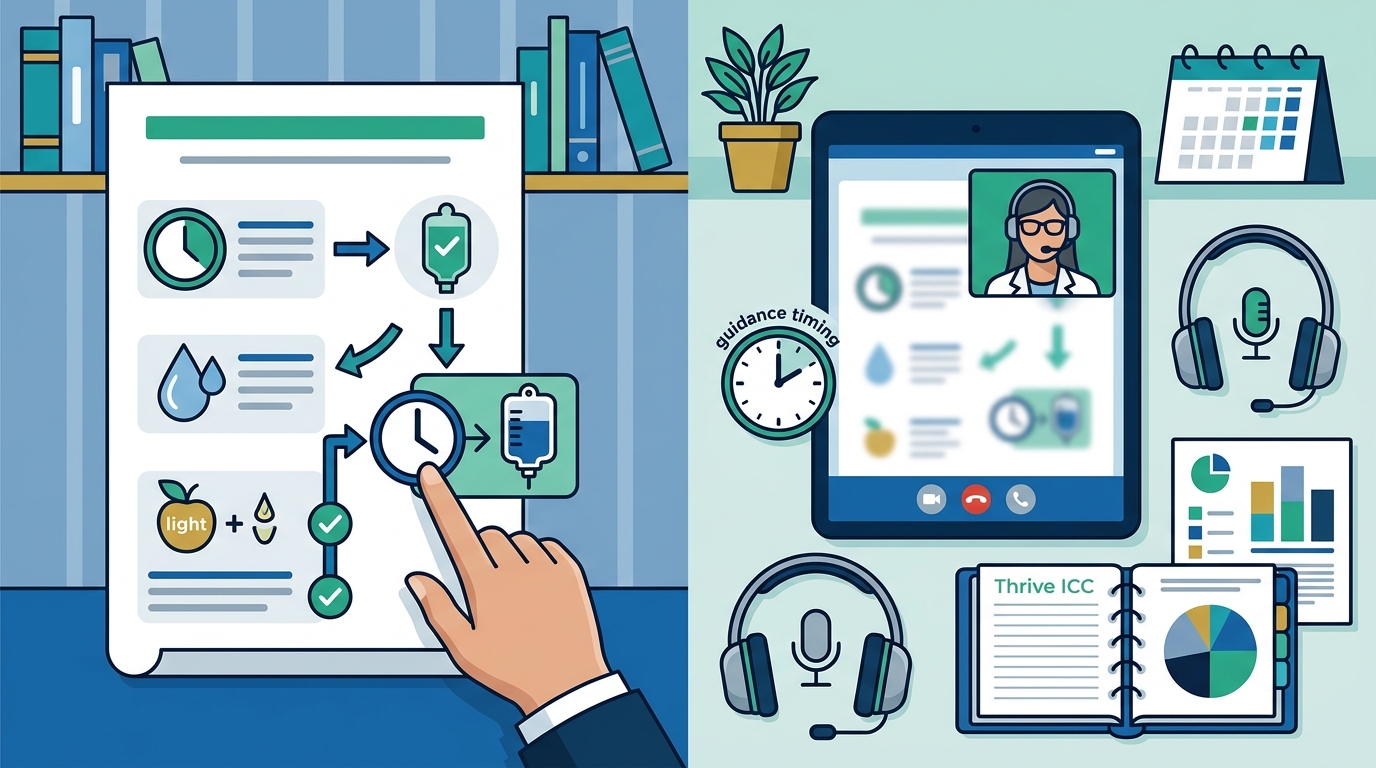
The timing of the fast relative to your infusion is critical. Typically, a fast begins 24 to 48 hours before chemotherapy and ends 24 to 48 hours after. The dietitian creates a personalized timeline that aligns with your specific drug schedule. They also advise on what to eat during the refeeding phase to prevent metabolic shock and support recovery. For additional details, review the Alternative Treatment for Esophageal.
Monitoring Nutritional Status
During the fasting period, the dietitian monitors your hydration and electrolyte balance. They provide guidance on safe fluids and supplements that do not break the fast. This monitoring ensures that you maintain adequate energy levels while allowing the protective effects of fasting to take hold. The goal is to minimize side effects like nausea and fatigue while maximizing the efficacy of the chemotherapy. For additional details, review the .
Telehealth Consultation Access
Booking Your Remote Appointment
To begin, you can schedule a telehealth visit through the Thrive Integrative Cancer Care platform. The initial consultation involves a comprehensive review of your diagnosis and treatment plan. You will discuss your interest in fasting and any previous experiences with dietary changes. The team will then determine if a fasting protocol is appropriate for your specific cancer type and stage.
What to Expect During the Visit
The telehealth session is interactive and collaborative. You will have the opportunity to ask questions about hunger management and side effect mitigation. The provider will explain the science behind fasting and how it interacts with your chemotherapy drugs. They will also set up a follow-up schedule to monitor your progress and adjust the plan as needed.
Continuity of Care
| Consultation Component | Provider Role | Key Focus Area |
|---|---|---|
| Initial Assessment | Integrative Oncologist | Reviewing diagnosis and treatment plan |
| Nutritional Planning | Oncology Dietitian | Designing fasting timeline and refeeding strategy |
| Side Effect Management | Naturopathic Doctor | Addressing nausea, fatigue, and immune support |
| Ongoing Monitoring | Care Coordinator | Scheduling follow-ups and secure communication |
Key Takeaways
- Therapeutic fasting is a structured dietary approach that may reduce chemotherapy side effects when timed correctly.
- An oncology dietitian is essential for assessing safety and creating a personalized fasting timeline.
- Telehealth consultations allow for remote access to specialized integrative care teams.
- Fasting is not suitable for all patients; individual assessment is required to ensure safety.
- Remote monitoring enables frequent check-ins without the physical burden of travel.
- Refeeding after a fast requires careful guidance to prevent metabolic complications.
- Collaboration between your oncologist and integrative care team is crucial for successful implementation.
Frequently Asked Questions
Is fasting safe for all cancer patients?
No, fasting is not safe for everyone. Patients with diabetes, a history of eating disorders, or severe malnutrition may not be candidates. An oncology dietitian must evaluate your specific health status before you begin any fasting protocol.
How does telehealth help with fasting guidance?
Telehealth allows you to consult with specialists from home. It provides convenience and continuity of care, allowing for frequent check-ins to monitor your progress and adjust the plan as needed.
Who should I consult before fasting before chemotherapy?
You should consult with your oncologist and an oncology dietitian. Thrive Integrative Cancer Care provides access to both through their telehealth platform to ensure a coordinated approach.
What is the typical duration of a fast before chemotherapy?
The duration varies but often ranges from 24 to 72 hours. The exact timing depends on the specific chemotherapy drugs and your individual health profile, which is determined by your care team.
Can I do a fasting-mimicking diet instead of a full fast?
Yes, a fasting-mimicking diet is an alternative that involves consuming specific low-calorie meals. It may be easier to sustain and is often recommended by dietitians for patients who cannot tolerate a complete fast.
How do I book a telehealth appointment with Thrive?
You can schedule an appointment through the Thrive Integrative Cancer Care website. The initial consultation will assess your eligibility for fasting and create a personalized care plan.
Does fasting replace chemotherapy?
No, fasting is a complementary strategy. It is designed to work alongside conventional treatments to potentially reduce side effects and improve quality of life, not to replace them.
What should I eat after breaking the fast?
Conclusion
Navigating the complexities of fasting before chemotherapy requires expert guidance. Thrive Integrative Cancer Care offers a comprehensive telehealth solution that connects you with oncology dietitians and integrative specialists. By leveraging remote consultations, you can receive personalized advice on safety, timing, and refeeding without the burden of travel. To begin your journey toward optimized treatment support, contact Thrive Integrative Cancer Care today.