
Telehealth Cancer Monitoring
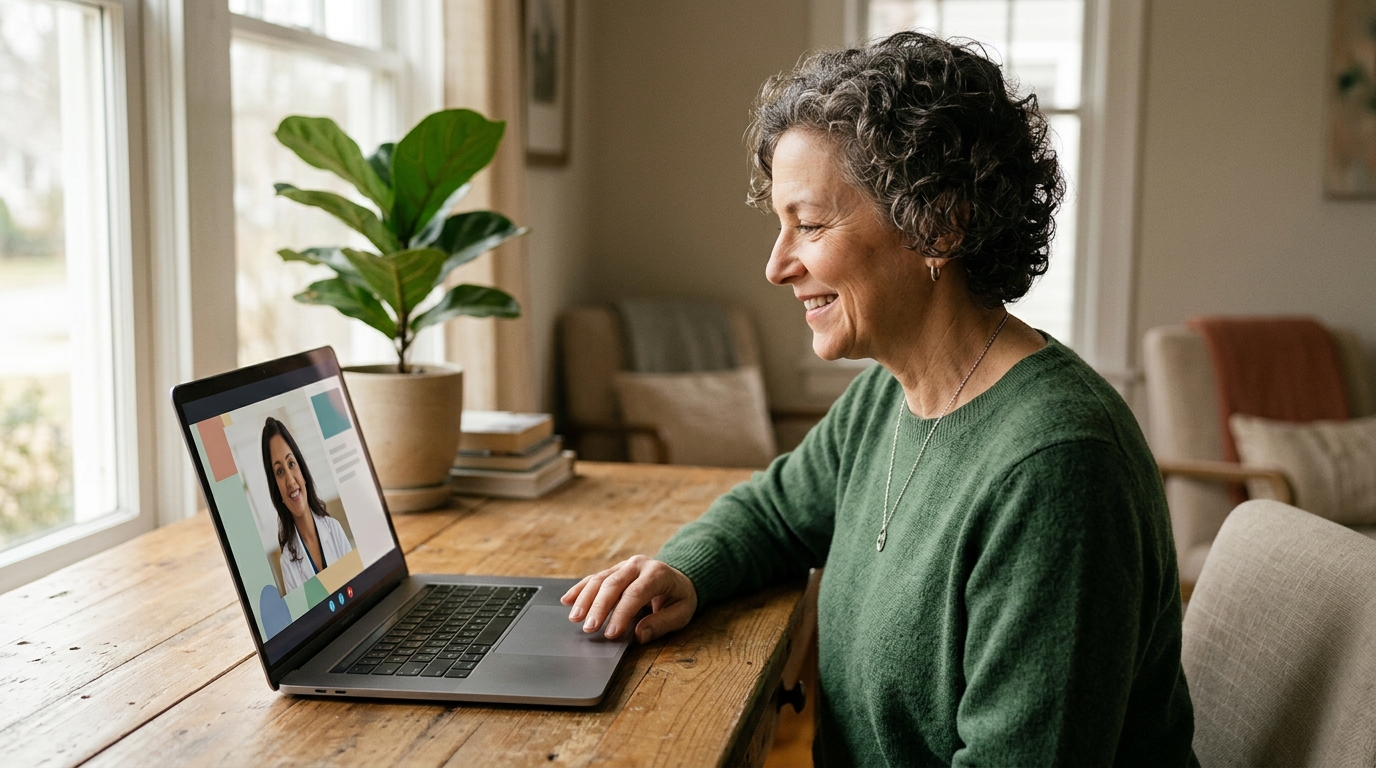
Telehealth cancer monitoring is the use of digital communication tools to track patient health and detect early signs of disease return. For cancer survivors, this approach removes geographical barriers and reduces the physical burden of frequent hospital visits. It allows for continuous engagement with care providers without the stress of travel. For additional details, review the thriveintegrativecancercare com.
The Role of Remote Surveillance
Remote surveillance involves regular check-ins, symptom tracking, and review of diagnostic results. Patients can share updates on their physical and mental well-being directly with their care team. This method ensures that any new symptoms are addressed promptly, often before they become severe. For additional details, review the .
Benefits for Survivors
Survivors often experience anxiety about recurrence, known as fear of cancer recurrence. Telehealth provides a consistent point of contact that can alleviate this anxiety through regular, structured communication. Patients feel supported and informed, which contributes to better overall quality of life. For additional details, review the Customer Experience.
Additionally, telehealth allows for the integration of complementary therapies into the monitoring process. Practitioners can adjust lifestyle recommendations based on real-time feedback from the patient. This dynamic interaction is a core component of the holistic approach offered by Thrive ICC. For additional details, review the Frequently Asked Questions.
Recurrence Prevention Protocols
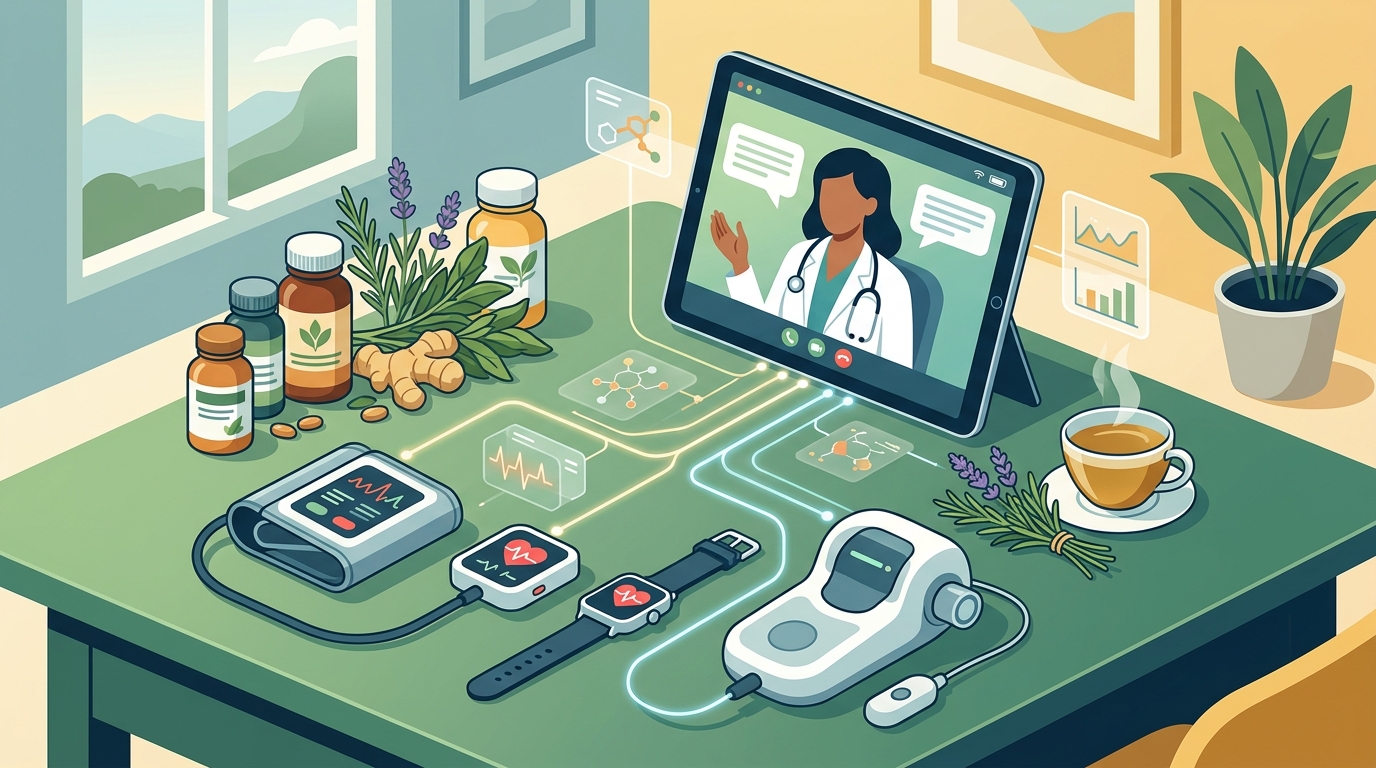
Recurrence prevention protocols are structured plans designed to reduce the risk of cancer returning after primary treatment. These protocols combine medical surveillance with lifestyle modifications and complementary therapies. They are tailored to the specific type of cancer and the individual patient's health profile. For additional details, review the About.
Medical Surveillance Standards
Thrive Integrative Cancer Care emphasizes the importance of following established surveillance guidelines. Our team helps patients understand their specific monitoring schedule and ensures they stay on track. We provide second opinions on treatment plans to ensure that surveillance protocols are comprehensive and appropriate.
Lifestyle and Complementary Interventions
Integrative Oncology Teams
Team Composition and Roles
Personalized Care Plans
Personalized care plans are the cornerstone of integrative oncology. These plans are developed based on the patient's unique medical history, preferences, and goals. They integrate conventional treatments with complementary therapies to reduce side effects and improve quality of life.
Thrive ICC focuses on prevention and early detection, empowering patients with the right choices and surveillance protocols specific to their needs. The team works closely with patients to create a plan that is both medically sound and personally meaningful. This collaborative process ensures that patients feel in control of their health journey.
Key Takeaways
- Telehealth enables continuous cancer monitoring without the burden of frequent travel.
- Recurrence prevention protocols combine medical surveillance with lifestyle modifications.
- Thrive Integrative Cancer Care provides personalized care plans led by Dr. Nancy Sharma.
- Regular telehealth check-ins help manage fear of cancer recurrence.
- Prevention and early detection are central to the Thrive ICC approach.
- Patients are empowered with individualized surveillance protocols specific to their needs.
Frequently Asked Questions
What is integrative cancer care?
Integrative cancer care is a model of care that combines conventional cancer treatments with complementary therapies. It aims to reduce side effects and improve quality of life by addressing the whole person.
How does telehealth help with cancer monitoring?
Telehealth helps with cancer monitoring by allowing patients to connect with their care team remotely. It enables regular check-ins, symptom tracking, and review of diagnostic results without the need for in-person visits.
Who leads the team at Thrive Integrative Cancer Care?
The team at Thrive Integrative Cancer Care is led by Dr. Nancy Sharma. She provides second opinions on cancer treatment and formulates individualized plans for patients.
What are recurrence prevention protocols?
Can telehealth replace in-person cancer care?
Telehealth complements in-person care but does not replace it when necessary. It is used for regular monitoring, consultations, and support, while in-person visits are scheduled for specific medical needs.