Thrive Integrative Cancer Care provides complementary cancer care through telehealth that works alongside your oncologist. This 2026 guide explains how integrative oncologists, telehealth programs, naturopathic oncology, and mind-body therapies combine to support your physical and emotional well-being during treatment. We cover the specific roles of these providers and how to integrate them safely into your existing care plan.
Integrative Oncologists
Integrative oncology is a specialty that combines conventional cancer treatments with complementary therapies to improve quality of life. An integrative oncologist is a physician who specializes in this dual approach, ensuring that alternative practices do not interfere with standard medical care. These professionals work directly with your primary oncologist to create a unified treatment plan. For additional details, review the thriveintegrativecancercare com.
At Thrive Integrative Cancer Care, our team, led by Dr. Nancy Sharma, provides second opinions on cancer treatment and formulates individualized plans. We prioritize patient healing by addressing the whole person, including mind, body, and spirit. This collaborative model ensures that your complementary care supports, rather than contradicts, your conventional therapy.
The Role of the Integrative Team
Telehealth Cancer Programs
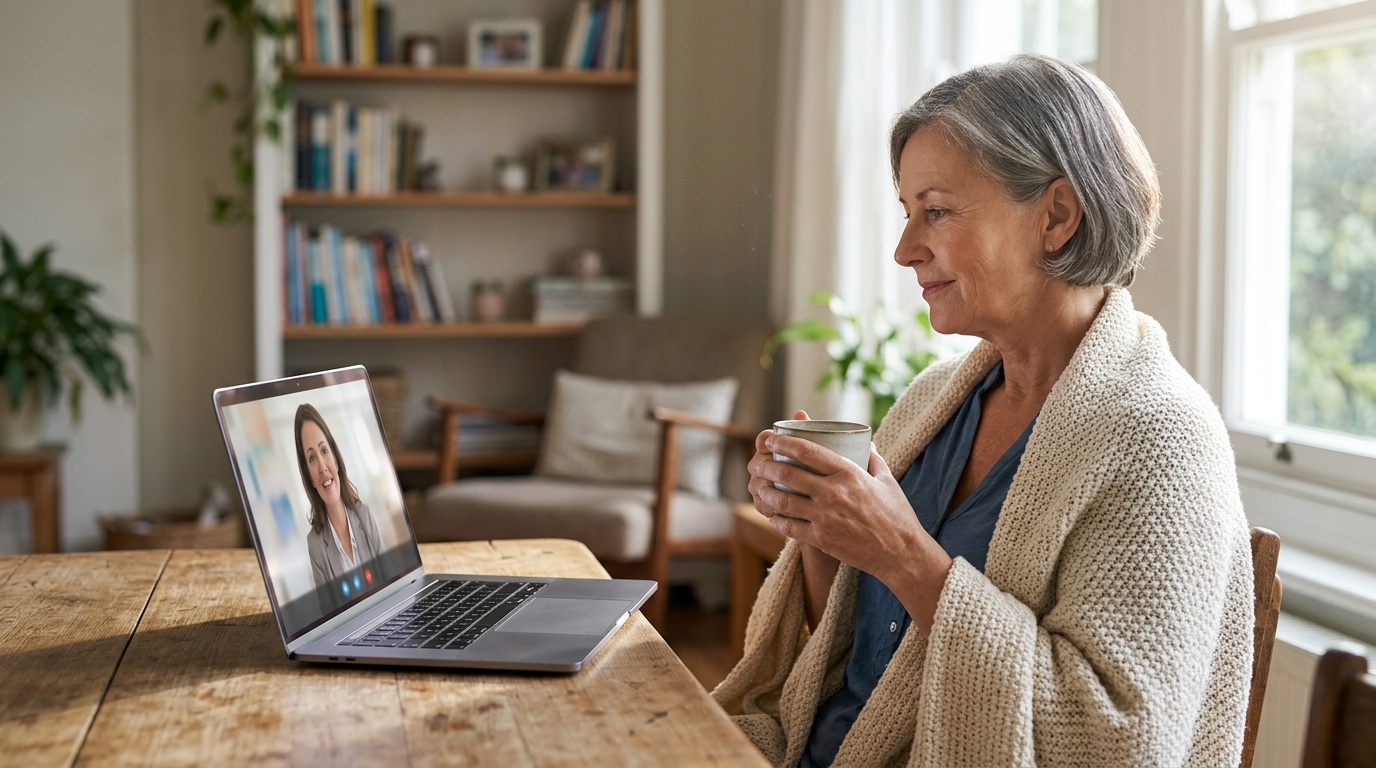
Thrive Integrative Cancer Care offers a 75-minute virtual appointment designed to provide comprehensive, personalized cancer care. This session explores your diagnosis and treatment side effects, allowing us to build a plan that fits your life. The National Cancer Institute's Telehealth Research Centers of Excellence (TRACE) Initiative is focused on building telehealth research capacity to improve cancer care, signaling a growing institutional commitment to this delivery model.
Benefits of Virtual Care
Virtual visits reduce the physical strain of frequent hospital trips. They also allow for more frequent check-ins, which can help catch side effects early. Studies indicate that palliative care via telehealth is equally effective as in-person care, providing patients with a reliable option for symptom management. For additional details, review the Active Cancer Care Support.
Naturopathic Oncology
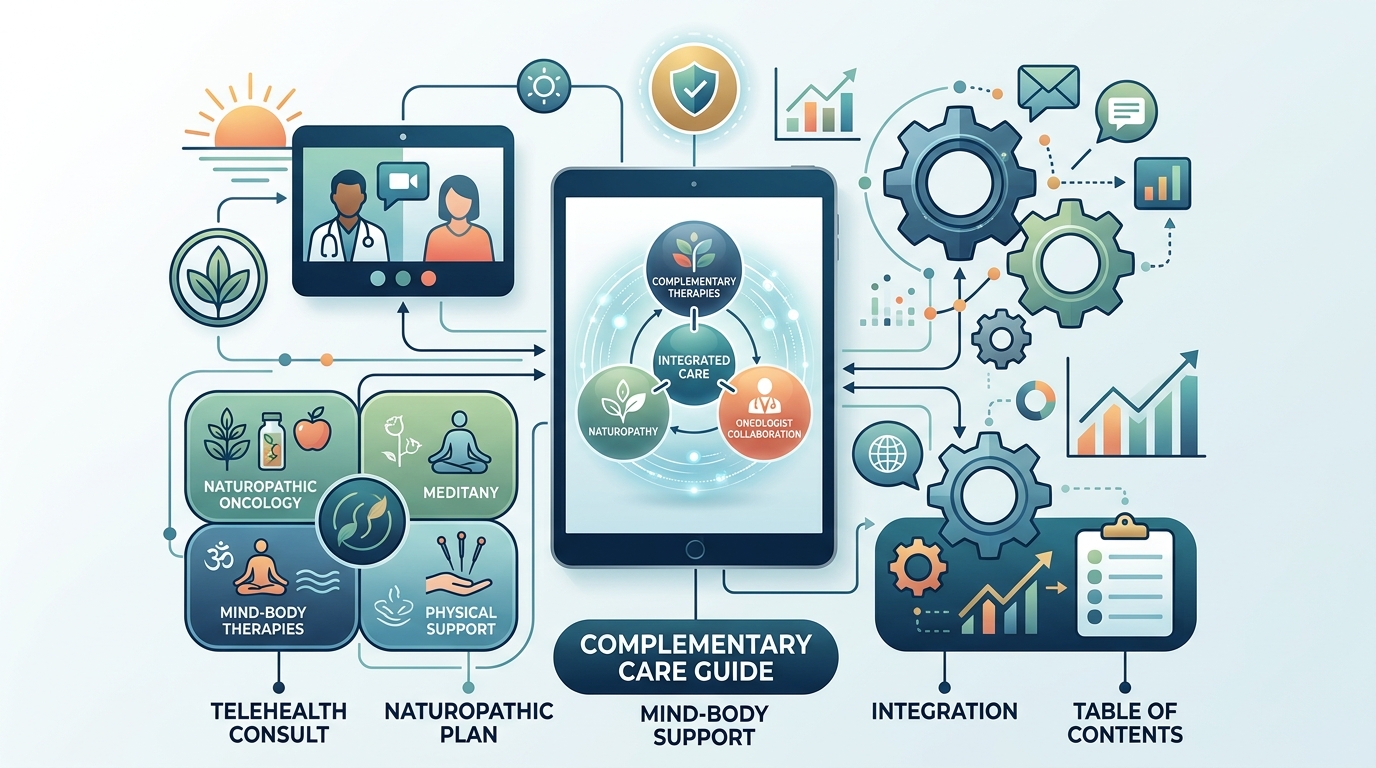
Naturopathic oncology is a branch of complementary medicine that uses natural therapies to support cancer patients. It focuses on reducing treatment side effects and improving overall health through diet, herbs, and lifestyle changes. Unlike alternative medicine, which replaces conventional treatment, naturopathic oncology works alongside it.
Safety and Coordination
Safe practice in naturopathic oncology requires communication with the patient's healthcare team. If you are receiving concurrent systemic anti-cancer treatments, your integrative provider should establish recommended procedures for that patient. This coordination is essential to prevent adverse effects and ensure that your body can tolerate both the treatment and the supportive care.
Mind-Body Therapies
Practical Applications
Patients can learn guided meditation and progressive muscle relaxation during virtual sessions. These tools provide immediate relief from anxiety and can be practiced daily. The goal is to empower patients with self-management strategies that enhance their quality of life throughout their cancer journey.
Comparison of Care Models
| Model | Primary Focus | Delivery Method | Role in Cancer Care |
|---|---|---|---|
| Conventional Oncology | Tumor treatment | In-person | Primary disease management |
| Naturopathic Oncology | Natural therapies | Telehealth or in-person | Diet, herbs, and lifestyle support |
| Mind-Body Therapy | Psychological well-being | Telehealth or in-person | Stress reduction and coping skills |
Key Takeaways
- Integrative oncologists work alongside your primary oncologist to coordinate complementary care.
- Telehealth saves time and money while providing effective cancer support.
- Naturopathic oncology uses natural therapies to reduce side effects safely.
- Mind-body therapies like meditation help manage stress and anxiety.
- Communication between all providers is essential for safe care.
- Thrive Integrative Cancer Care offers personalized virtual consultations.
- Complementary care should never replace conventional treatment.
- Early integration of supportive care improves overall quality of life.
Frequently Asked Questions
Does telehealth cancer care work as well as in-person care?
Can naturopathic treatments interfere with chemotherapy?
Some natural therapies can interact with chemotherapy, which is why coordination with your oncologist is critical. An integrative oncologist helps identify safe options that support your treatment.
What is the role of an integrative oncologist?
An integrative oncologist combines conventional and complementary approaches to improve quality of life. They work with your primary team to ensure all aspects of your care are aligned.
How does Thrive Integrative Cancer Care support patients remotely?
Thrive offers a 75-minute virtual appointment that explores your diagnosis and side effects. We create a personalized plan that integrates alternative approaches with your conventional treatment.
Are mind-body therapies effective for cancer patients?
Yes, mind-body therapies like meditation and yoga are used to reduce stress, anxiety, and pain. They are safe, non-invasive, and can be practiced at home.
Who should I contact to start complementary care?
Is complementary care covered by insurance?
Coverage varies by provider and plan. It is important to check with your insurance company to understand what services are covered under your specific policy.