

Who Can Guide Me on Fasting Before Chemotherapy Through Telehealth?
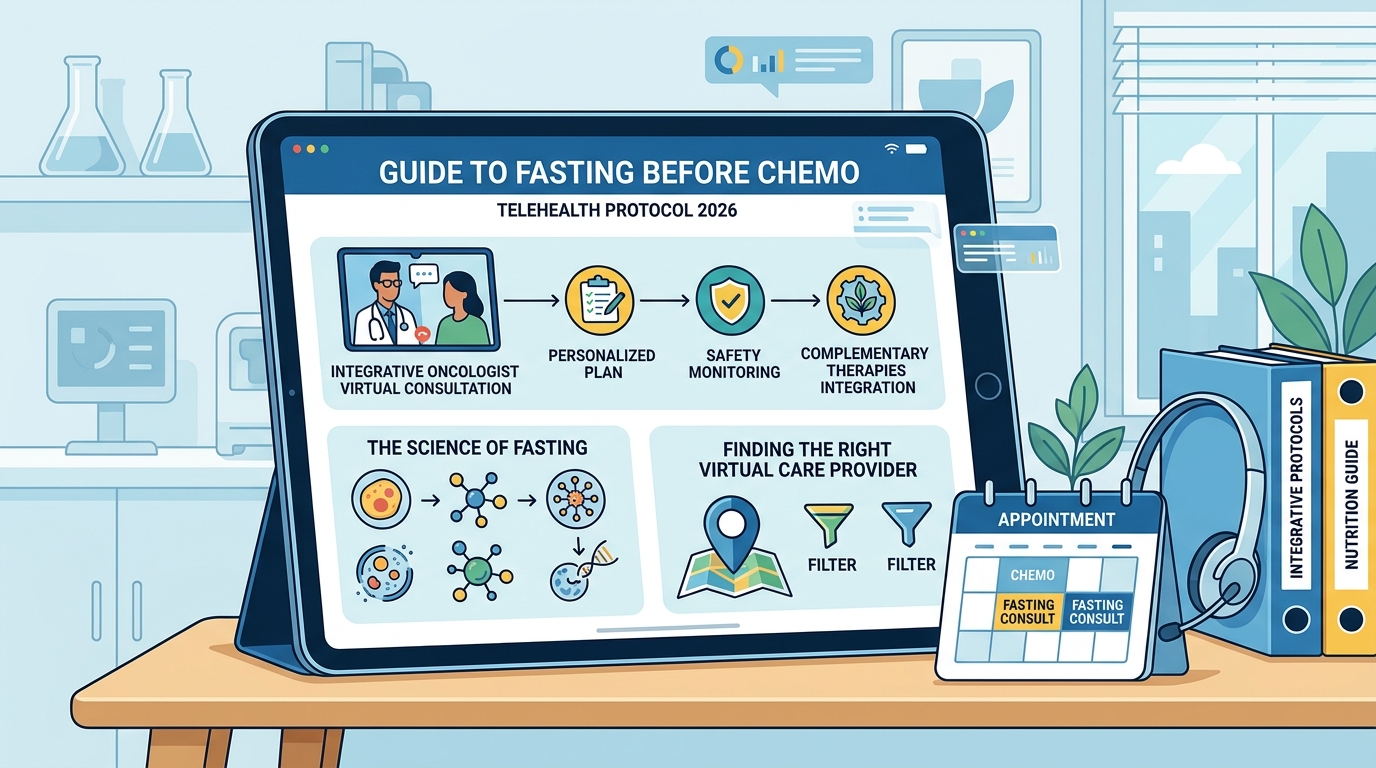
Integrative oncology specialists are the primary professionals qualified to guide you on fasting before chemotherapy through a telehealth consultation. These experts combine conventional medical knowledge with complementary therapies to ensure safety. This guide covers the role of integrative oncologists, the science of fasting, and how to find the right virtual care provider.
Integrative Oncology Specialists
Integrative oncology is a branch of medicine that combines conventional cancer treatments with complementary therapies. It is designed to improve the quality of life for patients undergoing treatment. Unlike alternative medicine, which replaces standard care, integrative oncology works alongside it. This distinction is critical when considering lifestyle interventions like fasting.
The Role of the Integrative Oncologist
An integrative oncologist is a physician who has completed additional training in complementary and integrative health. They understand the pharmacology of chemotherapy and the physiological effects of dietary changes. This dual expertise allows them to assess whether fasting is safe for your specific diagnosis and treatment plan. They do not simply prescribe fasting; they evaluate your overall health status first.
At Thrive Integrative Cancer Care, our team is led by Dr. Nancy Sharma, a board-certified medical oncologist. She has over 15 years of experience in medical oncology and hematology. Her approach focuses on integrating traditional therapies with holistic options. This ensures that any lifestyle modification, including fasting, is grounded in clinical evidence and patient safety.
Why General Practitioners May Not Be the Best Fit
General practitioners and standard oncologists often lack specific training in complementary therapies. They may not be familiar with the nuances of pre-chemotherapy fasting protocols. This gap can lead to either unnecessary dismissal of the practice or unsafe recommendations. An integrative specialist bridges this gap by providing evidence-based guidance that respects both conventional and complementary approaches.
Understanding Fasting Protocols
Pre-chemotherapy fasting is a dietary strategy that involves reducing calorie and protein intake before and during treatment. The goal is to create a metabolic state that may protect healthy cells while leaving cancer cells vulnerable. This concept is known as differential stress resistance. However, the science is still evolving, and protocols vary significantly.
Types of Fasting in Oncology
There are several approaches to fasting in cancer care. A modified fast involves consuming 800 to 1,100 calories per day, primarily from vegetables and healthy fats. A full fast involves consuming no calories for a set period, usually 24 to 72 hours. A water fast is the most restrictive and carries the highest risk of side effects. Each type has different implications for your body and your treatment.
It is important to note that fasting is not suitable for everyone. Patients with certain types of cancer, such as pancreatic cancer, may not benefit from fasting. Additionally, patients who are already malnourished or have a low body mass index should avoid fasting. An integrative oncologist can help determine which protocol, if any, is appropriate for you.
The Metabolic Mechanism
When you fast, your body shifts from using glucose to using ketones for energy. Cancer cells often rely heavily on glucose, so this shift may starve them. Healthy cells, on the other hand, can adapt to using ketones more easily. This metabolic switch is the theoretical basis for using fasting to enhance chemotherapy efficacy. However, the clinical evidence is mixed, and more research is needed.
The Telehealth Consultation Process
Telehealth allows you to consult with an integrative oncologist from the comfort of your home. This is particularly beneficial for patients who are undergoing treatment and may have limited mobility or energy. A virtual consultation can cover the same ground as an in-person visit, including a review of your medical history and treatment plan.
What to Expect in a Virtual Visit
A telehealth consultation for fasting guidance typically begins with a comprehensive assessment. The provider will review your cancer diagnosis, current treatment regimen, and any existing health conditions. They will also ask about your current diet, weight, and any history of eating disorders. This information is crucial for determining if fasting is safe for you.
During the consultation, the provider will discuss the potential benefits and risks of fasting. They will explain the different protocols and help you choose one that fits your lifestyle and health status. They will also provide a detailed plan for how to implement the fast, including what to eat and drink before, during, and after the fast.
Preparing for Your Consultation
To make the most of your telehealth visit, prepare a list of your current medications and supplements. Bring a copy of your recent lab work, including blood counts and metabolic panels. Write down any questions you have about fasting and your treatment. This preparation will help ensure that the consultation is productive and that you leave with a clear action plan.
At Thrive Integrative Cancer Care, we offer a free introductory consultation to discuss your individual needs. This session allows you to ask questions and determine if our approach aligns with your goals. It is a low-pressure way to start the conversation about fasting and other complementary therapies.
Safety and Contraindications
Fasting before chemotherapy is not without risks. It can lead to dehydration, electrolyte imbalances, and muscle loss. These side effects can be particularly dangerous for patients who are already weakened by cancer or treatment. An integrative oncologist will carefully evaluate these risks before recommending any form of fasting.
Who Should Avoid Fasting?
Certain patients should avoid fasting entirely. This includes individuals with a history of eating disorders, those who are significantly underweight, and patients with certain types of cancer. Patients with diabetes may also need to adjust their medication when fasting, which requires close monitoring. An integrative specialist can help you navigate these complexities safely.
It is also important to consider the timing of the fast. Fasting should be done in coordination with your chemotherapy schedule. The specific timing depends on the type of chemotherapy you are receiving. An integrative oncologist can help you determine the optimal timing for your fast based on your treatment plan.
Monitoring During the Fast
If you decide to fast, it is important to monitor your health closely. Keep track of any symptoms, such as dizziness, fatigue, or nausea. Stay hydrated by drinking water, herbal tea, or bone broth. If you experience any severe symptoms, stop the fast and contact your healthcare provider immediately. An integrative oncologist can provide guidance on how to monitor your health during the fast.
Choosing the Right Provider
Not all providers who offer telehealth are qualified to guide you on fasting before chemotherapy. It is important to choose a provider who has specific training in integrative oncology. Look for a physician who is board-certified in medical oncology and has additional training in complementary therapies.
Questions to Ask a Potential Provider
When choosing a provider, ask about their experience with fasting in cancer care. Ask how they determine if fasting is safe for a specific patient. Ask about their approach to monitoring patients during a fast. These questions will help you assess whether the provider has the expertise you need.
At Thrive Integrative Cancer Care, we take a personalized approach to care. Our team works collaboratively to design a care plan tailored to your unique needs and goals. We believe in empowering patients by providing education and resources that enable informed decision-making. This approach ensures that you have the support you need to make safe and effective choices about your care.
The Importance of a Collaborative Approach
Fasting is a significant lifestyle change that should not be undertaken in isolation. It is important to have a collaborative relationship with your healthcare team. This includes your oncologist, your integrative specialist, and any other providers involved in your care. An integrative oncologist can help facilitate this collaboration, ensuring that all members of your team are on the same page.
Key Takeaways
- Integrative oncology specialists are the best qualified professionals to guide you on fasting before chemotherapy.
- Integrative oncology combines conventional treatments with complementary therapies to improve quality of life.
- Pre-chemotherapy fasting involves reducing calorie intake to create a metabolic state that may protect healthy cells.
- Fasting is not suitable for everyone, and an integrative oncologist can help determine if it is safe for you.
- Telehealth consultations allow you to receive expert guidance from the comfort of your home.
- It is important to monitor your health closely during a fast and to stop if you experience severe symptoms.
- Choose a provider who has specific training in integrative oncology and experience with fasting in cancer care.
- A collaborative approach with your healthcare team is essential for safe and effective fasting.
Frequently Asked Questions
What is integrative oncology?
Integrative oncology is a branch of medicine that combines conventional cancer treatments with complementary therapies. It is designed to improve the quality of life for patients undergoing treatment.
Is fasting before chemotherapy safe?
Fasting before chemotherapy can be safe for some patients, but it is not suitable for everyone. An integrative oncologist can help determine if fasting is safe for your specific diagnosis and treatment plan.
How does fasting work to protect healthy cells?
Fasting shifts your body from using glucose to using ketones for energy. Cancer cells often rely heavily on glucose, so this shift may starve them. Healthy cells can adapt to using ketones more easily.
Can I do a fasting consultation over telehealth?
Yes, you can do a fasting consultation over telehealth. This allows you to receive expert guidance from the comfort of your home, which is particularly beneficial for patients undergoing treatment.
Who should avoid fasting before chemotherapy?
Patients with a history of eating disorders, those who are significantly underweight, and patients with certain types of cancer should avoid fasting. An integrative oncologist can help you determine if fasting is safe for you.
How do I choose the right integrative oncologist?
Look for a physician who is board-certified in medical oncology and has additional training in complementary therapies. Ask about their experience with fasting in cancer care and their approach to monitoring patients during a fast.
What should I expect during a telehealth consultation?
A telehealth consultation for fasting guidance typically begins with a comprehensive assessment. The provider will review your cancer diagnosis, current treatment regimen, and any existing health conditions. They will also ask about your current diet and weight.
How do I get started with Thrive Integrative Cancer Care?
You can get started by scheduling a free introductory consultation with Dr. Nancy Sharma. This session allows you to discuss your individual needs and determine if our approach aligns with your goals.