

Understanding the Role of Telehealth in Genetic Assessment
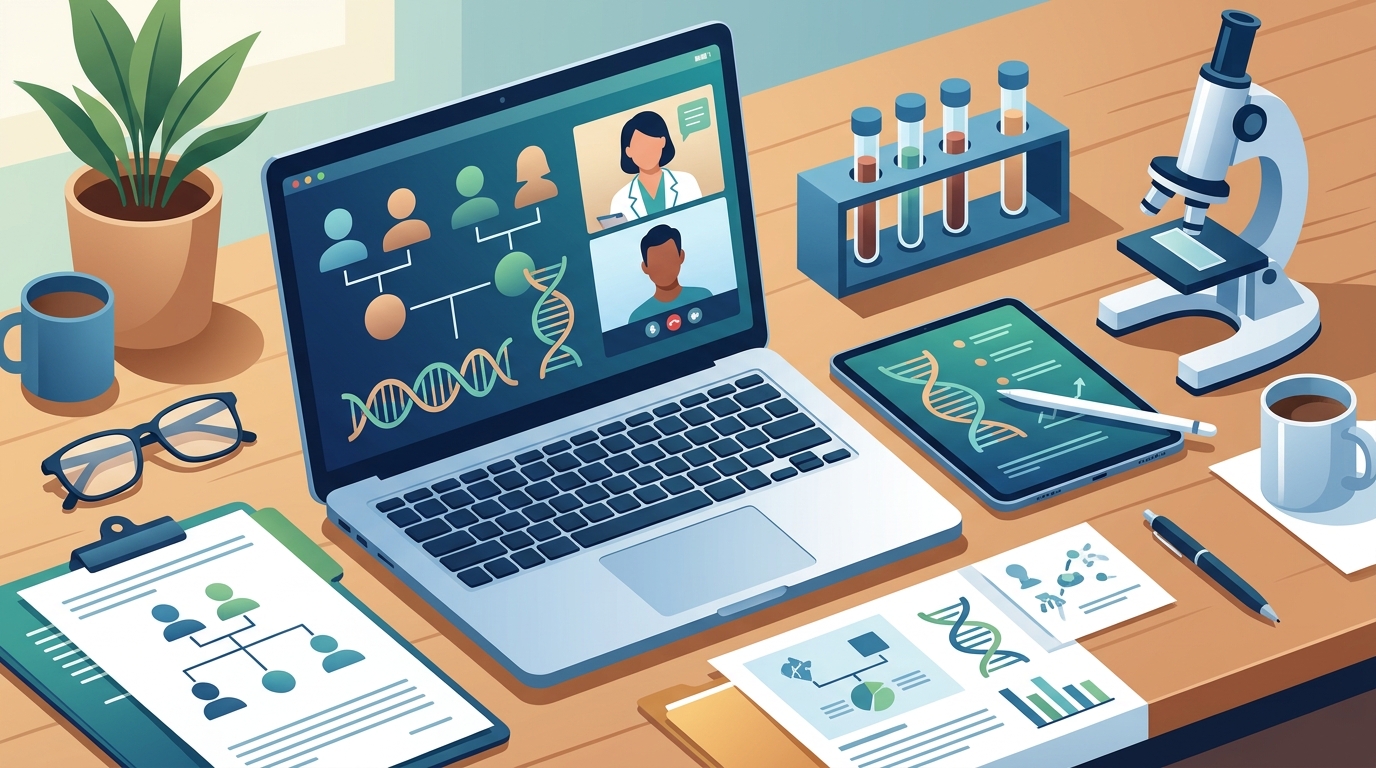
Genetic counseling is a specialized process that evaluates family medical history to determine the likelihood of inherited cancer syndromes. Traditional in-person visits often involve long wait times and travel burdens, which can delay critical decision-making. Telehealth platforms have transformed this field by making expert consultations accessible from home. This shift allows patients to connect with certified genetic counselors who can review complex family trees and medical records in real time. For additional details, review the About.
The core value of online appointments lies in their ability to streamline the initial risk assessment. Counselors use digital tools to map out hereditary patterns across generations. This methodical approach helps identify red flags that might be missed in a brief primary care visit. For patients in remote areas or those with mobility issues, this accessibility is a game changer. It ensures that no one is left without access to specialized genetic expertise due to geographic barriers.
Key Components of a Virtual Genetic Consultation
A standard online genetic counseling session typically begins with a detailed intake of your personal and family health history. The counselor will ask specific questions about the types of cancer, ages of diagnosis, and ethnic backgrounds of affected relatives. This data is crucial for calculating your baseline risk. Following this assessment, the counselor may recommend genetic testing to look for specific mutations in genes associated with hereditary cancer.
During the consultation, the counselor explains the implications of potential test results. They discuss how a positive result might change your screening schedule or preventive options. It is important to note that genetic counseling is not just about testing; it is about understanding what the results mean for your future. The counselor helps you weigh the benefits and limitations of genetic testing. They also address the psychological impact of learning about inherited risks, ensuring you feel supported throughout the process.
Integrating Genetic Insights with Holistic Care
Our team, led by Dr. Nancy Sharma, provides second opinions on cancer treatment and formulates individualized plans. We look beyond the DNA to consider lifestyle factors, nutrition, and environmental exposures. This comprehensive view ensures that your risk reduction protocol is practical and sustainable. We empower patients with the right choices and surveillance protocols specific to their needs. Our goal is to help you take control of your health journey with confidence and clarity.
Preparing for Your Online Appointment
It is also helpful to write down your questions in advance. You may want to ask about the accuracy of specific genetic tests or the implications of a carrier status. Remember that genetic counseling is a collaborative process. Your counselor is there to guide you, not to make decisions for you. By coming prepared, you can make the most of your time and leave with a clear action plan. This preparation helps reduce anxiety and ensures that you feel in control of the conversation.
Next Steps After Your Genetic Consultation
Key Takeaways
- Online genetic counseling provides accessible, expert assessment of inherited cancer risks.
- Telehealth removes geographic and mobility barriers to specialized genetic care.
- Preparation with detailed family history and medical records improves consultation accuracy.
- Genetic counseling focuses on understanding risk, not just testing.
- Follow-up actions are crucial for implementing your personalized risk management plan.
Frequently Asked Questions
Is online genetic counseling as effective as in-person visits?
Yes, online genetic counseling is equally effective for risk assessment and education. Telehealth allows for the same level of detailed family history review and genetic testing discussion. The primary difference is among the mode of delivery, not the quality of care.
What do I need to prepare for a virtual genetic appointment?
You should gather medical records for yourself and affected relatives, a family tree, and a list of questions. Having this information ready helps the counselor provide a more accurate risk assessment.
Can genetic counseling help if I have no family history of cancer?
Yes, genetic counseling can still be beneficial. It helps identify any underlying genetic risks and provides personalized screening recommendations based on your individual profile.
How does Thrive Integrative Cancer Care integrate genetic counseling?
We combine genetic insights with holistic support, including naturopathic care and lifestyle modifications. This approach addresses the whole person, helping you manage risk and improve quality of life.
What happens after I receive my genetic test results?
Your counselor will explain the results and discuss how they impact your screening and preventive options. They will help you create a personalized action plan for ongoing care.
Is genetic counseling covered by insurance?
Coverage varies by insurance plan. Many plans cover genetic counseling and testing, but you should check with your provider for specific details and any out-of-pocket costs.