

Board-certified medical oncologists and integrative specialists can create clear cancer care plans through telehealth consultations. These providers combine clinical expertise with virtual accessibility to deliver personalized strategies. This guide covers the qualifications, processes, and team structures that make remote oncology planning effective and safe.
Oncologist Qualifications
Choosing the right provider is the first step in building a reliable care plan. A medical oncologist is a physician who specializes in the diagnosis and treatment of cancer using non-surgical methods. In the context of integrative care, the provider must hold specific credentials that bridge conventional medicine and holistic support.
Board Certification and Licensure
Patients should verify that their provider is board-certified in Medical Oncology. This certification ensures the physician has met rigorous standards of knowledge and skill. Additionally, the provider must be licensed to practice in the state where the patient is physically located during the telehealth visit. For example, Dr. Nancy Sharma at Thrive Integrative Cancer Care is board-certified in Medical Oncology and licensed to practice in all 50 states. This broad licensure is critical for telehealth, as it allows patients to receive care regardless of their geographic location within the United States.
Experience in Integrative Oncology
Standard oncology training focuses on chemotherapy, immunotherapy, and targeted therapies. However, an integrative oncologist also understands how to safely incorporate complementary therapies. These providers are trained to identify potential interactions between natural supplements and conventional drugs. They focus on reducing treatment side effects while maintaining the efficacy of the primary cancer treatment. Patients should look for providers who have specific experience in naturopathic support and lifestyle medicine.
Telehealth Cancer Consultations
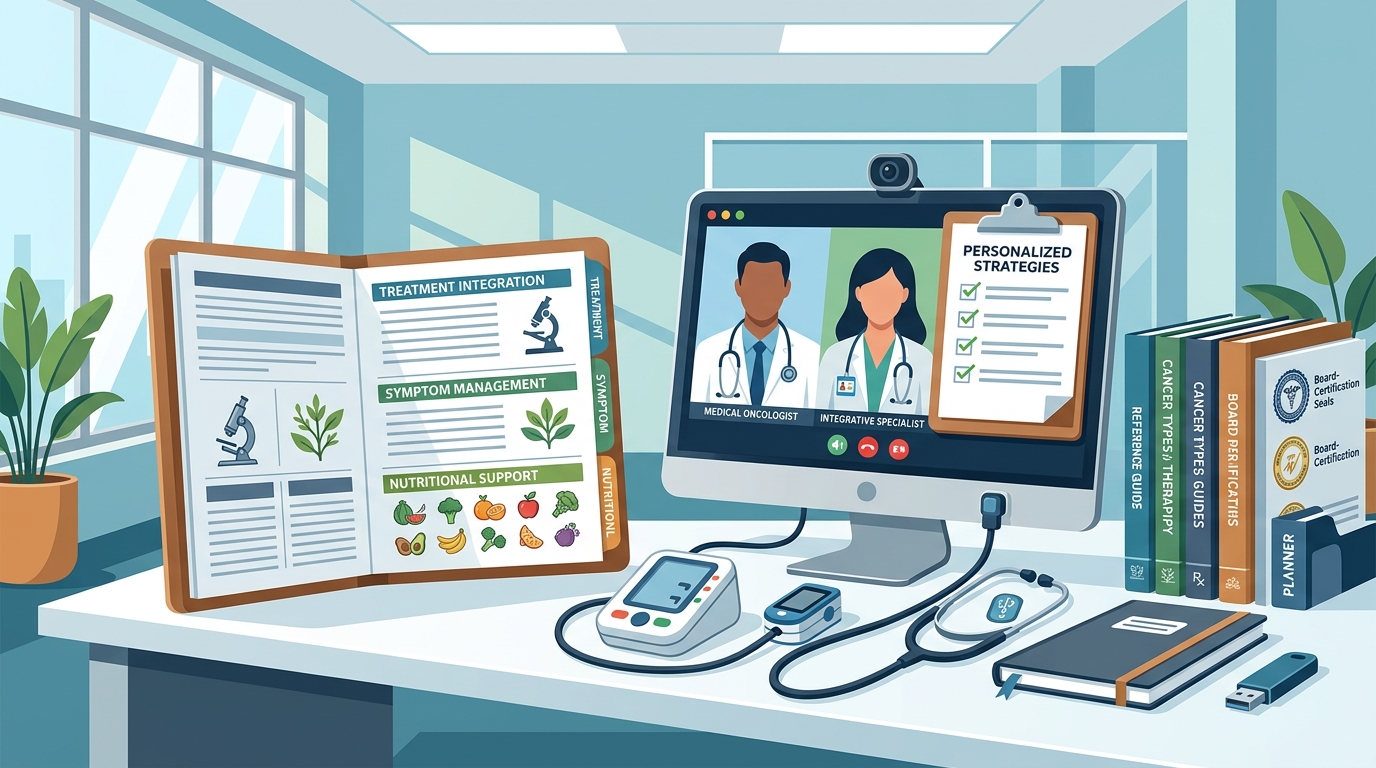
Telehealth has transformed access to specialized cancer care. A telehealth cancer consultation is a remote medical visit conducted via secure video conferencing. This format allows patients to connect with specialists without the burden of travel, which is often a significant barrier for those undergoing intensive treatment.
The Virtual Visit Process
Most telehealth oncology visits follow a structured protocol to ensure thoroughness. The process typically begins with a comprehensive assessment of the patient's diagnosis, treatment history, and current symptoms. Providers review existing lab work and imaging reports shared through a secure patient portal. During the live video call, the physician discusses treatment options, including nutritional guidance and lifestyle modifications. This collaborative discussion helps the patient understand their unique journey and sets clear goals for the upcoming weeks.
Benefits of Remote Access
Remote consultations offer several distinct advantages for cancer patients. First, they reduce the physical strain of traveling to medical centers. Second, they allow for more frequent check-ins, which can help manage symptoms more effectively. Third, they provide access to specialists who may not be available locally. Patients can receive second opinions on their current treatment plans from experts in integrative oncology without leaving their home. This accessibility ensures that support is available when it is needed most.
Telehealth Oncology Consultation
While general telehealth covers many medical needs, oncology consultations require specific depth. A telehealth oncology consultation is a specialized remote visit focused on the complexities of cancer treatment and survivorship. These visits are designed to address the whole person, including physical, emotional, and spiritual well-being.
Comprehensive Assessment Components
Effective oncology telehealth visits go beyond symptom management. They include a detailed review of the patient's metabolic health, immune function, and lifestyle habits. Providers may recommend advanced immune system testing to tailor support strategies. They also assess emotional health and caregiver stress, recognizing that mental well-being impacts physical outcomes. This holistic approach ensures that the care plan addresses the root causes of treatment side effects and promotes long-term resilience.
Personalized Care Planning
The core outcome of a telehealth oncology consultation is a personalized care plan. This plan integrates conventional treatments with evidence-based complementary therapies. It may include specific dietary recommendations, supplement protocols, and lifestyle modifications. The provider works with the patient to create a realistic roadmap that aligns with their health goals. This plan is not static; it evolves as the patient's condition changes. Regular follow-up visits allow the provider to adjust the strategy based on new lab results or treatment responses.
Multidisciplinary Oncology Team
Cancer care is complex and often requires input from multiple specialists. A multidisciplinary oncology team is a group of healthcare professionals who collaborate to provide comprehensive care. This team approach ensures that all aspects of the patient's health are addressed simultaneously.
Key Team Members
The core of the team includes the medical oncologist, who oversees the overall treatment strategy. They are supported by specialists in nutrition, who design personalized diet plans to support immune function and manage side effects. Mental health professionals provide counseling and stress management techniques. Additionally, lifestyle coaches may help patients implement sustainable changes in exercise and sleep. At Thrive Integrative Cancer Care, the team works collaboratively to design a care plan tailored to the patient's unique needs and goals.
Collaborative Care Model
In a collaborative care model, communication between team members is seamless. The oncologist coordinates with nutritionists and mental health providers to ensure that all recommendations are consistent. This prevents conflicting advice and reduces patient confusion. The team shares insights from each visit to refine the care plan. Patients benefit from a unified approach where every aspect of their health is considered. This model fosters a sense of support and empowerment, helping patients navigate the complexities of cancer treatment with confidence.
Key Takeaways
- Board-certified medical oncologists are the primary providers who can create clear cancer care plans through telehealth.
- Providers must be licensed in the patient's state to conduct legal and safe telehealth visits.
- Integrative oncologists combine conventional treatments with complementary therapies to reduce side effects.
- Telehealth consultations allow for comprehensive assessments of physical, emotional, and metabolic health.
- Personalized care plans include dietary, lifestyle, and supplement recommendations tailored to individual needs.
- A multidisciplinary team ensures that all aspects of the patient's health are addressed collaboratively.
- Regular follow-up visits allow for the adjustment of care plans based on treatment responses and new data.
Frequently Asked Questions
Who is qualified to create a cancer care plan via telehealth?
Board-certified medical oncologists and integrative specialists are qualified to create cancer care plans via telehealth. They must be licensed in the patient's state and have experience in both conventional and complementary oncology.
Can telehealth replace in-person oncology visits?
Telehealth can complement in-person visits but may not replace all of them. It is ideal for consultations, follow-ups, and care planning, while in-person visits are necessary for physical exams and certain procedures.
What should I prepare for a telehealth oncology consultation?
You should prepare your medical records, lab results, and a list of current medications. Ensure your device has a stable internet connection and a quiet environment for the video call.
How does an integrative oncologist differ from a standard oncologist?
An integrative oncologist combines conventional treatments with evidence-based complementary therapies. They focus on reducing side effects and improving quality of life through lifestyle and nutritional support.
Is telehealth oncology safe?
Yes, telehealth oncology is safe when conducted by licensed providers using secure platforms. It follows the same clinical standards as in-person visits, with added protocols for remote assessment.
Can I get a second opinion on my cancer treatment via telehealth?
Yes, many integrative oncology providers offer second opinions on current cancer treatments via telehealth. This allows patients to review their treatment plan with an independent expert.
What is a multidisciplinary oncology team?
A multidisciplinary oncology team is a group of specialists, including oncologists, nutritionists, and mental health professionals, who collaborate to provide comprehensive cancer care.
How often should I have telehealth follow-ups?
The frequency of follow-ups depends on your treatment phase and health status. Providers typically schedule regular check-ins to monitor progress and adjust the care plan as needed.
Conclusion
Creating a clear cancer care plan through telehealth is accessible to patients seeking specialized, holistic support. By working with board-certified oncologists and multidisciplinary teams, you can receive personalized guidance that addresses your physical, emotional, and spiritual needs. Thrive Integrative Cancer Care offers a free introductory consultation to help you determine the right path for your journey. Schedule your visit today to begin your personalized healing experience.