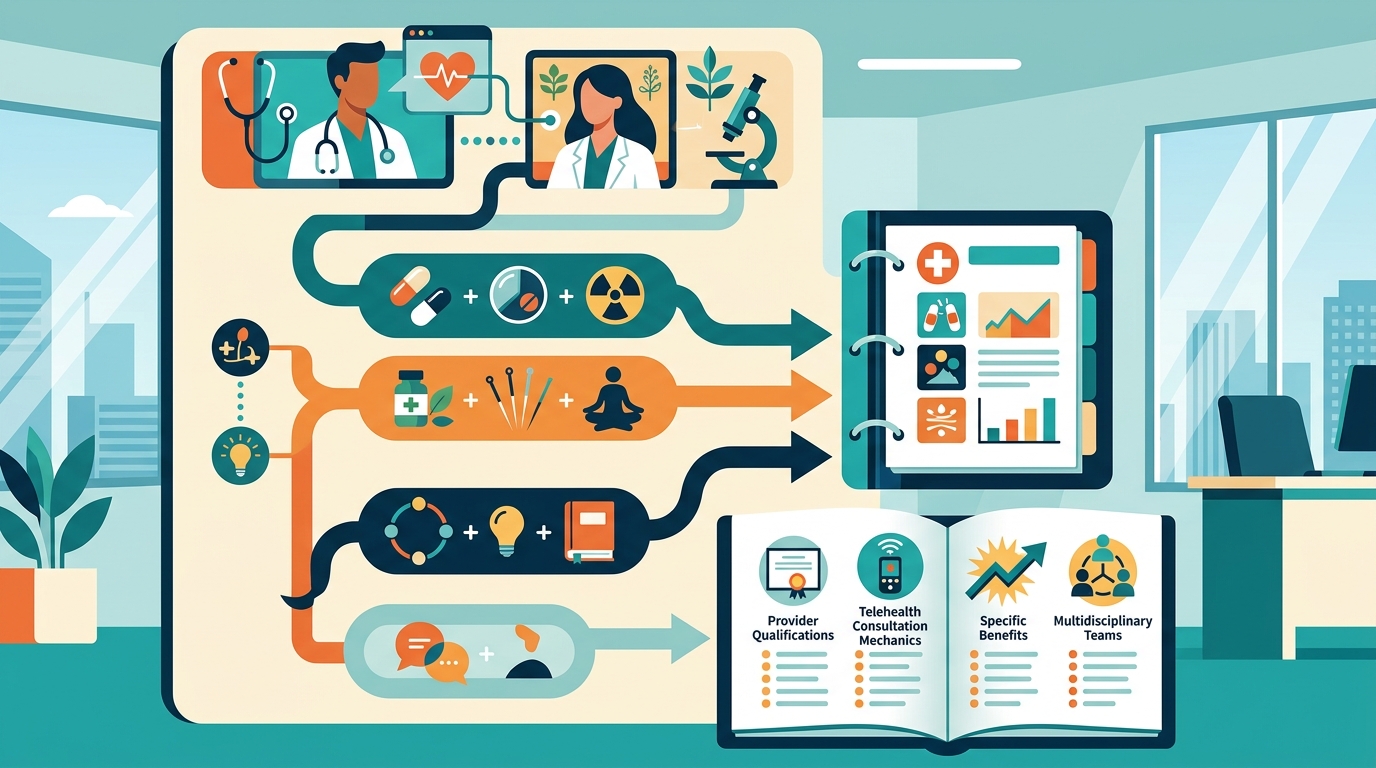
Board-certified medical oncologists and integrative specialists can create clear, actionable cancer care plans through telehealth consultations. These providers combine clinical expertise with remote assessment tools to design personalized strategies that address physical, emotional, and metabolic health. This guide covers the qualifications of oncologists, the mechanics of telehealth cancer consultations, the specific benefits of telehealth oncology, and the role of multidisciplinary teams in delivering comprehensive care.
Oncologist Qualifications
Not all providers are equally equipped to design a comprehensive cancer care plan. The foundation of a reliable telehealth consultation lies in the credentials and experience of the clinician. A board-certified medical oncologist is a physician who has completed specialized training in the diagnosis and treatment of cancer. This certification ensures that the provider has met rigorous standards in clinical practice, patient safety, and ethical care.
Board Certification and Licensure
When seeking a telehealth provider, verify that they are board-certified in Medical Oncology and licensed to practice in your state. Licensure is critical because medical regulations vary by jurisdiction. For example, Dr. Nancy Sharma at Thrive Integrative Cancer Care is board-certified in Medical Oncology and licensed to practice in all 50 states. This broad licensure allows her to provide care to patients across the United States without geographic barriers. Patients should always confirm that a provider holds active, unrestricted licenses in the state where they reside.
Experience in Integrative and Conventional Care
Experience is a key differentiator in oncology. A provider with over 15 years of experience as a medical oncologist and hematologist brings a depth of clinical insight that is difficult to replicate. Dr. Sharma has strived to stay at the forefront of cutting-edge oncology research, including immunotherapy and targeted treatments. Her personal and professional journey has fueled a commitment to integrating traditional therapies with holistic options. This dual expertise ensures that the care plan addresses not only the tumor but also the patient's overall well-being.
Specialized Training in Complementary Therapies
Integrative oncology requires specific training in complementary and alternative medicine. Many medical oncologists are not familiar with the safety profiles of natural products or lifestyle modifications. A qualified integrative oncologist understands how to safely incorporate nutrition, stress management, and immune support alongside standard treatments. This specialized knowledge prevents harmful interactions and enhances treatment outcomes.
Telehealth Cancer Consultations
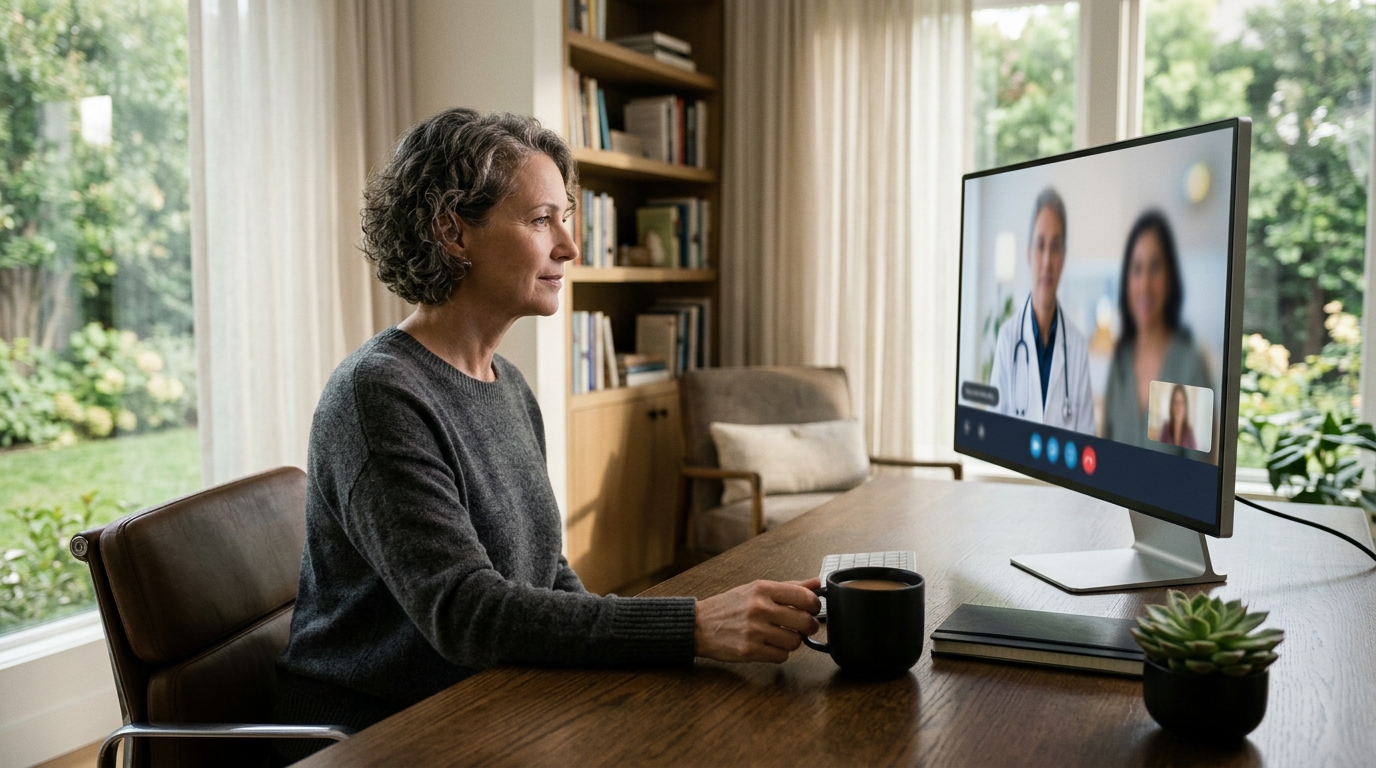
Telehealth cancer consultations are remote medical appointments conducted via secure video conferencing platforms. These sessions allow patients to connect with oncologists from the comfort of their homes, eliminating the need for travel and reducing the physical burden of frequent hospital visits. The core question of who can create a clear plan is answered by the provider's ability to conduct a thorough remote assessment.
The Remote Assessment Process
A comprehensive telehealth consultation typically lasts 75 minutes. During this time, the provider explores the patient's cancer diagnosis, treatment history, current symptoms, lifestyle habits, and emotional health. This holistic assessment is crucial for identifying gaps in the current care plan. The provider reviews existing lab work and determines if additional testing is needed. This data-driven approach ensures that the care plan is based on objective evidence rather than guesswork.
Collaborative Discussion and Planning
The consultation is a collaborative discussion, not a lecture. The provider and patient review various treatment options, including nutritional guidance, lifestyle modifications, and supplement recommendations. Together, they create a tailored plan aimed at achieving specific health goals. This partnership model empowers patients to take an active role in their care. It fosters resilience and self-efficacy, helping patients navigate the complexities of cancer treatment with confidence.
Logistics and Preparation
Successful telehealth visits require proper preparation. Patients should ensure their device has a stable internet connection and a clear camera view. Before the appointment, patients must complete digital intake forms and upload relevant medical documents. This preparation allows the provider to review the patient's history in advance, maximizing the time spent on discussion and planning.
Telehealth Oncology Consultation
Telehealth oncology consultation is a specialized form of remote care that focuses on the integration of conventional and complementary therapies. Unlike standard telehealth visits, which may focus on a single symptom, oncology consultations address the whole person: mind, body, and spirit. This approach is particularly beneficial for patients undergoing active treatment or in remission.
Integrative Care Components
A telehealth oncology consultation often includes a comprehensive cancer-specific treatment plan that integrates traditional and natural remedies. This plan addresses treatment side effect mitigation, detoxification, and immune support. For example, the Active Cancer Care & Support Program at Thrive Integrative Cancer Care is a 12-week comprehensive program designed to help patients undergoing treatment. It integrates medical oversight, nutritional and metabolic support, immune care, symptom management, lifestyle coaching, and emotional and spiritual care.
Personalized Nutrition and Lifestyle Coaching
Nutrition plays a critical role in cancer care. A telehealth oncology consultation includes personalized nutrition plans that address individual metabolic needs. The provider offers diet and nutrition counseling to help patients maintain strength and manage weight during treatment. Lifestyle coaching extends beyond diet to include stress management, sleep hygiene, and physical activity. These non-pharmacological interventions are essential for improving quality of life and reducing treatment toxicity.
Emotional and Spiritual Support
Cancer affects more than just the body; it impacts the mind, emotions, and spirit. A telehealth oncology consultation addresses these dimensions by providing mental health support and caregiver respite. The provider listens to the patient's concerns and offers holistic solutions that promote healing on every level. This comprehensive approach ensures that the patient feels supported and empowered throughout their journey.
Multidisciplinary Oncology Team
A multidisciplinary oncology team is a group of healthcare professionals who collaborate to provide comprehensive cancer care. This team typically includes medical oncologists, naturopathic doctors, dietitians, mental health specialists, and lifestyle coaches. The collaboration ensures that all aspects of the patient's health are addressed in a coordinated manner.
Collaborative Care Model
At Thrive Integrative Cancer Care, the team works collaboratively to design a care plan tailored to the patient's unique needs and goals. This model respects each individual's experiences, values, and health goals. The team ensures that care plans are personalized and responsive to the patient's changing condition. By working together, the team can identify and address issues that a single provider might miss.
Specialized Referrals and Support
The multidisciplinary team facilitates referrals to other specialists or supportive therapies as needed. For example, a patient may be referred to a mental health specialist for anxiety management or to a physical therapist for exercise guidance. These referrals ensure that the patient receives the right support at the right time. The team also provides second opinions on current cancer treatments, helping patients make informed decisions about their care.
Continuity of Care
Continuity of care is a hallmark of the multidisciplinary model. The team maintains ongoing communication with the patient and their primary oncologist. This ensures that the integrative care plan is aligned with the conventional treatment plan. The team also provides regular follow-up appointments to monitor progress and adjust the care plan as needed. This continuous support helps patients stay on track and achieve their health goals.
Comparison of Care Models
| Feature | Standard Telehealth | Integrative Telehealth Oncology |
|---|---|---|
| Provider Focus | Single symptom or condition | Whole person: mind, body, spirit |
| Scope of Care | Conventional medicine only | Conventional + complementary therapies |
| Nutrition Support | General advice | Personalized metabolic and dietary plans |
| Emotional Support | Referral to external therapist | Integrated mental health and spiritual care |
| Team Structure | Single provider | Multidisciplinary team collaboration |
| Goal | Manage symptoms | Improve quality of life and treatment outcomes |
Key Takeaways
- Board-certified medical oncologists with integrative training are best suited to create clear cancer care plans via telehealth.
- Telehealth consultations allow for comprehensive remote assessments, including review of lab work and lifestyle habits.
- Integrative oncology combines conventional treatments with complementary therapies to reduce side effects and improve well-being.
- A multidisciplinary team ensures that all aspects of the patient's health are addressed in a coordinated manner.
- Personalized nutrition and lifestyle coaching are critical components of a successful telehealth oncology plan.
- Continuity of care and regular follow-ups help patients stay on track and achieve their health goals.
- Patients should verify provider licensure and experience before booking a telehealth consultation.
- Thrive Integrative Cancer Care offers a 12-week Active Cancer Care & Support Program for patients undergoing treatment.
Frequently Asked Questions
Who can create a clear cancer care plan through a telehealth consultation?
Board-certified medical oncologists and integrative specialists can create clear cancer care plans through telehealth. These providers combine clinical expertise with remote assessment tools to design personalized strategies that address physical, emotional, and metabolic health.
What qualifications should I look for in a telehealth oncologist?
Look for a provider who is board-certified in Medical Oncology and licensed to practice in your state. Experience in integrative oncology and complementary therapies is also important. Dr. Nancy Sharma at Thrive Integrative Cancer Care is board-certified and licensed in all 50 states.
How long does a telehealth oncology consultation take?
A comprehensive telehealth oncology consultation typically lasts 75 minutes. This allows time for a thorough assessment of the patient's diagnosis, treatment history, symptoms, and lifestyle habits.
Can telehealth replace in-person cancer care?
Telehealth can complement in-person care but may not replace it entirely. It is ideal for ongoing support, nutrition counseling, and mental health support. However, physical exams and certain procedures still require in-person visits.
What is included in an integrative cancer care plan?
An integrative cancer care plan includes conventional treatments, nutritional guidance, lifestyle modifications, immune support, and emotional care. It is designed to address the whole person: mind, body, and spirit.
How does a multidisciplinary team improve cancer care?
A multidisciplinary team ensures that all aspects of the patient's health are addressed in a coordinated manner. This collaboration helps identify and address issues that a single provider might miss, leading to better outcomes.
Can I combine telehealth integrative care with my conventional oncology treatment?
Yes, integrative care is designed to work alongside conventional treatments. It does not conflict with standard oncology care. In fact, it can help reduce treatment side effects and improve quality of life.
How do I get started with a telehealth oncology consultation?
To get started, schedule an introductory consultation with a provider. During this session, the provider will guide you through the programs based on your individualized needs. You can book an appointment through the provider's website.
Conclusion
Creating a clear cancer care plan through telehealth requires a provider with the right qualifications, experience, and approach. Board-certified medical oncologists with integrative training are best suited to design personalized strategies that address the whole person. By leveraging the power of telehealth, patients can access comprehensive care from the comfort of their homes. Thrive Integrative Cancer Care offers a range of programs, including the Active Cancer Care & Support Program, to help patients thrive during and after treatment. To begin your journey, schedule a free introductory consultation with Dr. Nancy Sharma today.