

Thrive Integrative Cancer Care provides comprehensive cancer risk-reduction protocols through telehealth for individuals with a family history of cancer. This guide explains how virtual genetic counseling and predisposition screening work. It covers the specific steps to identify your risk and build a personalized prevention plan.
Telehealth Genetic Counseling
Genetic counseling is a specialized consultation process that helps individuals understand their inherited risk for cancer. It involves a detailed review of family medical history and an assessment of specific genetic markers. For patients with a strong family history, this step is critical for establishing a baseline of risk.
The Virtual Consultation Process
At Thrive Integrative Cancer Care, the telehealth model allows patients to connect with Dr. Nancy Sharma, a board-certified medical oncologist, from anywhere in the USA. The initial 75-minute virtual appointment is designed to be a comprehensive assessment. During this session, the provider explores your cancer diagnosis, treatment history, and current symptoms. They also review your lifestyle habits and emotional health to understand your unique journey.
The provider will review any existing lab work and determine if additional testing is needed. This collaborative discussion ensures that all relevant data is considered before a plan is formed. The goal is to create a tailored plan aimed at achieving your specific health goals.
Why Telehealth Matters for Prevention
Telehealth removes geographic barriers to specialized care. Patients in rural areas or those with mobility challenges can access expert oncology guidance without travel. This accessibility is vital for prevention, as early identification of risk factors allows for proactive intervention. The virtual format also makes it easier to involve family members in the discussion of shared genetic risks.
Dr. Sharma brings over 15 years of experience as a medical oncologist and hematologist. Her expertise in cutting-edge research, including immunotherapy and targeted treatments, informs the prevention strategies she recommends. She is deeply committed to improving patient quality of life, which is central to a prevention-focused approach.
Cancer Predisposition Screening
Cancer predisposition screening is the process of using genetic testing and clinical evaluation to identify inherited mutations that increase cancer risk. It is distinct from standard cancer screening, which looks for existing disease. Predisposition screening focuses on the likelihood of developing cancer in the future.
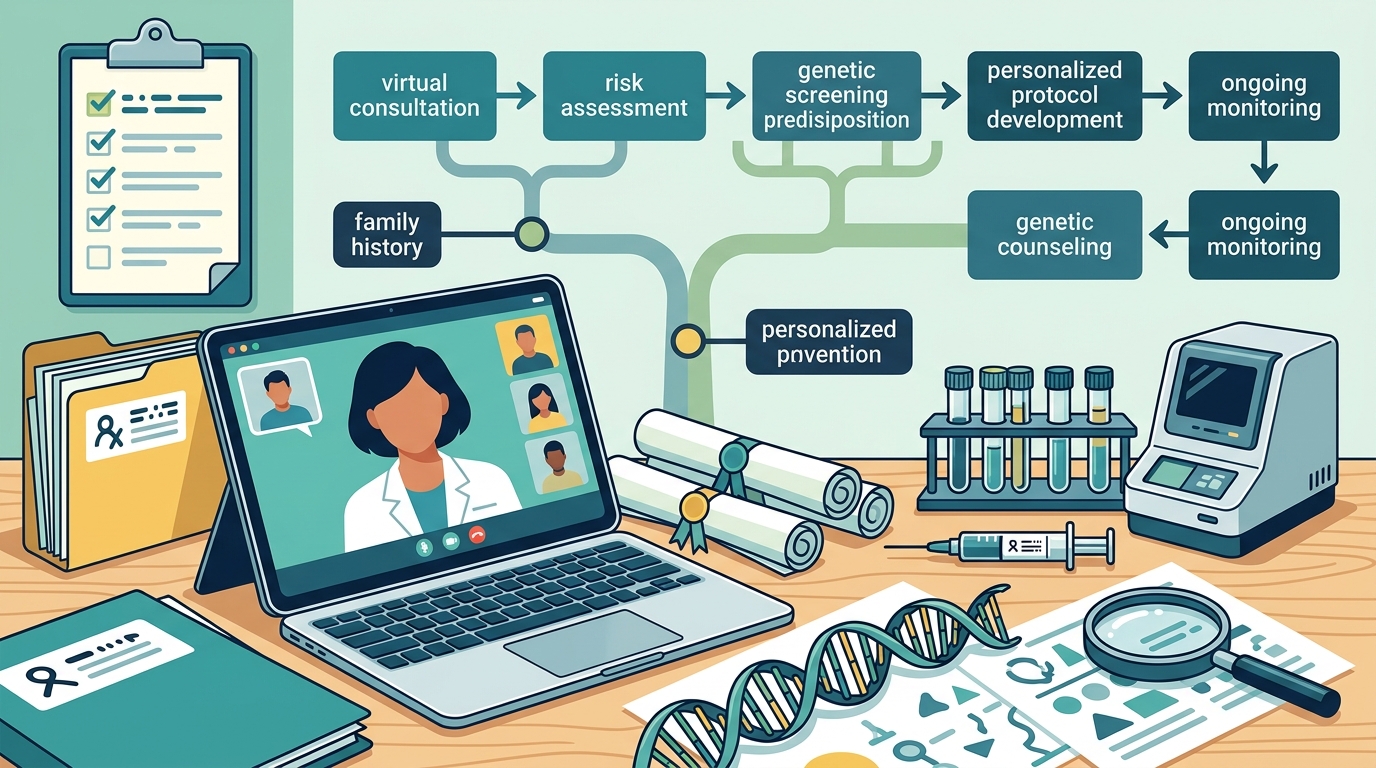
Genetic Predisposition Testing
Thrive Integrative Cancer Care offers genetic predisposition testing as a core component of its Cancer Prevention Program. This testing helps identify specific gene variants associated with hereditary cancer syndromes. Knowing your genetic status allows for individualized screening protocols that are more frequent and targeted than standard guidelines.
The program includes individualized cancer screening protocols based on your genetic and family history. This might involve earlier or more frequent imaging, such as mammograms or colonoscopies. It also includes immune health optimization and inflammation prevention strategies to mitigate risk.
Lifestyle and Metabolic Risk Factors
Genetics is only one piece of the puzzle. The prevention program also addresses modifiable risk factors through lifestyle modification. This includes weight management, dietary optimization, and guidance on GLP-1 medications where appropriate. These interventions work alongside genetic insights to create a holistic risk-reduction strategy.
The program provides community and support for accountability, which is essential for long-term lifestyle changes. Patients are not left to navigate these changes alone. They have access to a multidisciplinary team that supports their journey toward long-term wellness.
Comparison of Prevention Approaches
| Approach | Focus | Key Components | Best For |
|---|---|---|---|
| Standard Screening | General population | Age-based guidelines | Individuals with no family history |
| Genetic Predisposition Screening | Inherited risk | Genetic testing, targeted imaging | Individuals with strong family history |
| Integrative Prevention | Whole-person risk | Genetics, lifestyle, metabolic health | Patients seeking comprehensive risk reduction |
Key Takeaways
- Thrive Integrative Cancer Care provides telehealth-based cancer risk reduction for patients with a family history.
- Genetic counseling is a critical first step in identifying inherited cancer risks.
- The initial 75-minute virtual visit includes a comprehensive assessment of your health history.
- Genetic predisposition testing helps tailor screening protocols to your specific risk level.
- Lifestyle modifications, including diet and weight management, are integral to risk reduction.
- Dr. Nancy Sharma, a board-certified oncologist, leads the personalized care planning process.
- The program combines conventional medical oversight with holistic supportive care.
- Telehealth makes specialized prevention care accessible to patients across the USA.
Frequently Asked Questions
Who provides cancer risk-reduction protocols through telehealth?
Thrive Integrative Cancer Care provides these protocols through its Cancer Prevention Program. The program is led by Dr. Nancy Sharma and delivered via virtual appointments.
Is genetic counseling available for people without a cancer diagnosis?
Yes. The prevention program is designed for individuals at risk, including those with a family history of cancer, even if they have not been diagnosed themselves.
What is included in the initial telehealth visit?
The 75-minute visit includes a comprehensive assessment of your diagnosis, treatment history, symptoms, lifestyle habits, and emotional health. It also involves a collaborative discussion about treatment options and a personalized care plan.
How does genetic testing help with cancer prevention?
Genetic testing identifies inherited mutations that increase cancer risk. This information allows for individualized screening protocols and targeted lifestyle interventions to reduce that risk.
Can I combine this program with my primary care provider?
Yes. The integrative approach is designed to work alongside conventional care. The team collaborates with your existing providers to ensure a cohesive care plan.
What lifestyle changes are recommended in the prevention program?
The program includes dietary optimization, weight management counseling, and risk factor mitigation. It also provides guidance on GLP-1 medications and holistic supplements with a preventative focus.
Conclusion
For individuals with a family history of cancer, proactive risk reduction is essential. Thrive Integrative Cancer Care offers a comprehensive telehealth solution that combines genetic counseling, predisposition screening, and lifestyle modification. Under the guidance of Dr. Nancy Sharma, patients can access personalized prevention protocols from anywhere in the USA. To begin your journey toward long-term wellness, schedule a consultation today. Learn more: Contact Us Get in.