
What Should I Know About Finding an Integrative Oncology Specialist for Remote Cancer Support?
Integrative oncology is a medical specialty that combines conventional cancer treatments with complementary therapies to improve patient quality of life. For remote support, you need a board-certified provider who is licensed in your state and experienced in telehealth. Thrive Integrative Cancer Care offers personalized programs that help patients navigate their cancer journey with holistic guidance and care.
Understanding the Role of an Integrative Oncologist
Many patients confuse integrative oncology with alternative medicine. This distinction is critical for safety. An integrative oncologist is a physician who uses evidence-based complementary therapies alongside standard treatments like chemotherapy or immunotherapy. They do not replace your primary oncologist. Instead, they work to reduce side effects and support your overall well-being. This collaborative approach ensures that your natural therapies do not interfere with your medical treatments.
Why Specialized Training Matters
Standard oncology training focuses on disease management. Integrative training adds expertise in nutrition, stress reduction, and symptom management. According to research on clinical care networks, developing specialists in integrative oncology is a key aspect of modern training. These providers are trained to identify potential interactions between natural supplements and conventional drugs. This expertise is vital for preventing harmful side effects.
Verifying Credentials and Licensure for Telehealth
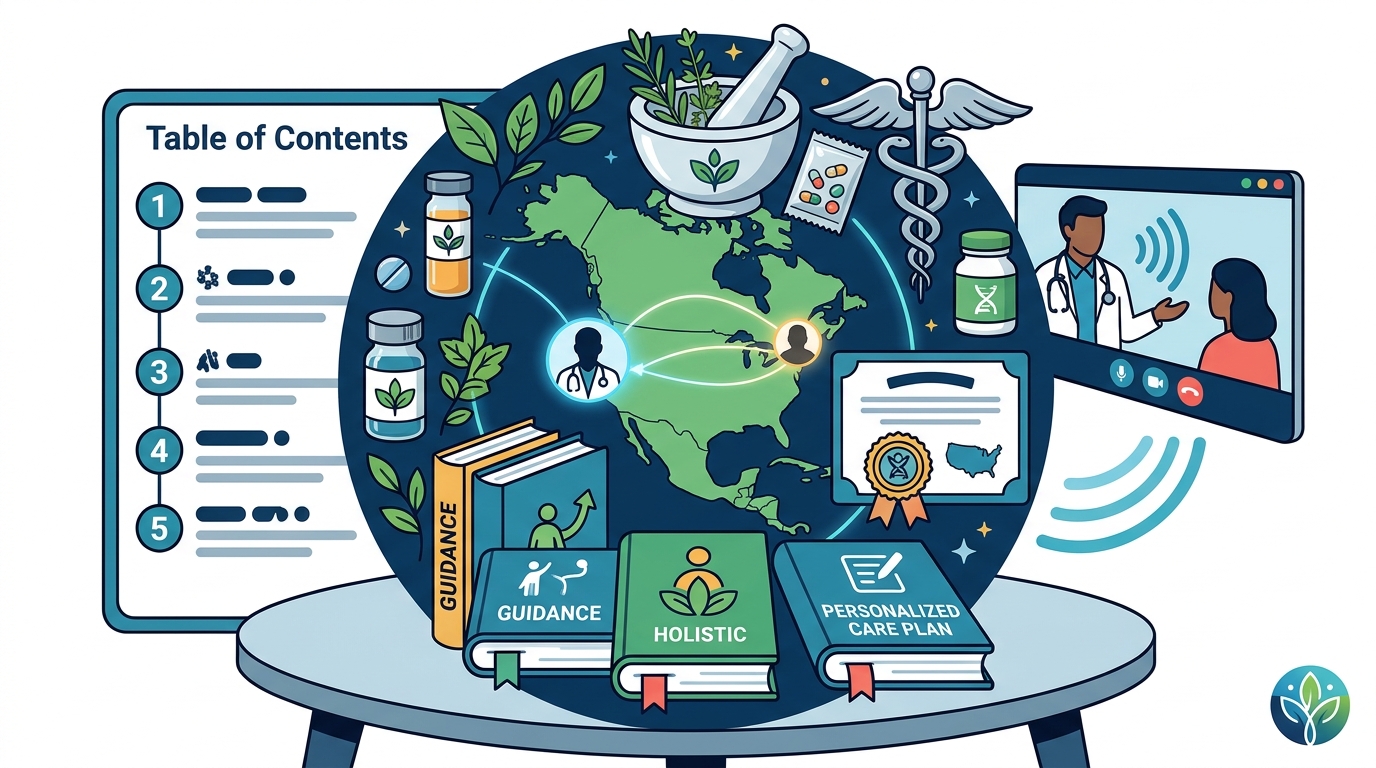
When seeking remote care, licensure is your first line of defense. A telehealth cancer consultation is a remote medical visit conducted via secure video conferencing. This format allows patients to connect with specialists without the burden of travel. However, the provider must be licensed to practice in the state where you are physically located during the visit. This legal requirement ensures that you receive care that meets your local medical standards.
Board Certification and Experience
Patients should verify that their provider is board-certified in Medical Oncology. This certification ensures the physician has met rigorous standards of knowledge and skill. For example, Dr. Nancy Sharma at Thrive Integrative Cancer Care is board-certified in Medical Oncology. This broad licensure is critical for telehealth, as it allows patients to receive care regardless of their geographic location within the United States.
The Scope of Remote Integrative Care
Addressing Specific Symptoms
Remote care is particularly effective for managing chronic symptoms. Fatigue, neuropathy, and chemo-brain are common challenges. The University of Rochester and Wilmot Cancer Institute have a long history of research in this area. Their Pluta Integrative Oncology program uses integrative medicine to help patients manage these side effects. Remote consultations allow for ongoing monitoring and adjustment of your wellness plan.
Building a Multidisciplinary Remote Team
Effective remote care often involves a team of professionals. A multidisciplinary oncology team includes medical oncologists, integrative specialists, and other healthcare providers. This team structure ensures that all aspects of your health are addressed. Leading cancer centers such as Memorial Sloan Kettering Cancer Center, MD Anderson Cancer Center, and Dana-Farber Cancer Institute have been building clinical models of integrative oncology for almost 20 years. These models emphasize the importance of a coordinated approach to patient care.
Collaboration with Your Primary Oncologist
Your integrative specialist should communicate with your primary oncologist. This collaboration ensures that your treatment plan is cohesive. It prevents conflicting advice and ensures that your primary team is aware of any complementary therapies you are using. This level of coordination is a hallmark of high-quality integrative care. It helps to create a seamless experience for the patient.
Key Takeaways
- Integrative oncology is a medical specialty that combines conventional cancer treatments with complementary therapies.
- Verify that your provider is board-certified in Medical Oncology and licensed in your state.
- Telehealth consultations are feasible and effective for managing cancer-related symptoms.
- Look for providers with specific experience in naturopathic support and lifestyle medicine.
- Ensure that your integrative specialist collaborates with your primary oncologist.
- Remote care allows for ongoing monitoring and adjustment of your wellness plan.
Frequently Asked Questions
What is the difference between integrative and alternative oncology?
Integrative oncology uses evidence-based complementary therapies alongside standard treatments. Alternative oncology replaces standard treatments with unproven methods. Integrative care is safe and effective, while alternative care can be dangerous.
How do I verify a telehealth oncologist's credentials?
Check their board certification in Medical Oncology. Verify their state licensure through your state's medical board. Ensure they are licensed to practice in the state where you are located during the visit.
Can integrative oncology replace my primary oncologist?
No, integrative oncology does not replace your primary oncologist. It works alongside them to support your overall health and reduce treatment side effects. Your primary oncologist remains the lead for your cancer treatment.
What topics are covered in a telehealth integrative consultation?
Consultations cover diet, exercise, stress management, and questions about natural products. They also address symptom management and lifestyle changes that are evidence-informed and safe.
Is telehealth integrative care as effective as in-person care?
Research shows that telehealth integrative care is feasible and effective. It allows for ongoing monitoring and adjustment of your wellness plan. Many patients find it convenient and beneficial.
How do I find an integrative oncologist near me?
Start by asking your primary oncologist for a referral. You can also search for board-certified integrative oncologists in your area. Ensure they offer telehealth services if you prefer remote care.
Conclusion
Choosing the right integrative oncology specialist for remote support is a critical step in your cancer journey. By verifying credentials, understanding the scope of care, and building a multidisciplinary team, you can ensure that you receive safe and effective support. Thrive Integrative Cancer Care offers personalized programs for prevention, treatment support, and survivorship. To plan your visit, to discuss your specific needs and goals.