What Qualifications Should I Look for in a Naturopathic Oncologist Offering Remote Cancer Support?
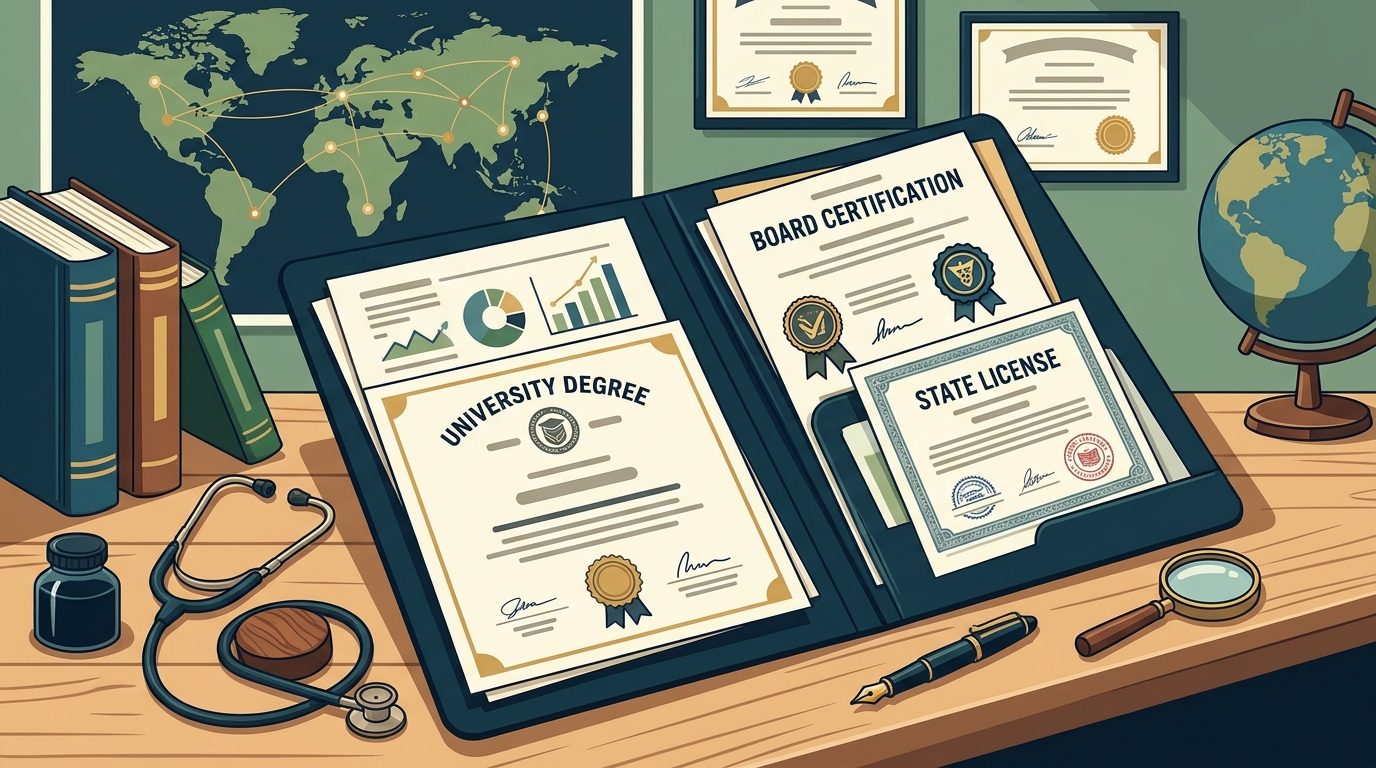
When selecting a naturopathic oncologist for remote cancer support, prioritize practitioners holding a Doctor of Naturopathic Medicine (ND) degree with specific oncology board certification. Verify their state licensure, experience managing treatment side effects, and their ability to coordinate directly with your conventional oncology team. At Thrive Integrative Cancer Care, our team, led by Dr. Nancy Sharma, ensures that every remote consultation is grounded in rigorous clinical standards and personalized care planning.
Understanding Naturopathic Oncology Credentials
Naturopathic oncology is a specialized field that combines conventional cancer treatments with complementary therapies to improve quality of life. To practice safely, a naturopathic oncologist must hold a Doctor of Naturopathic Medicine (ND) degree from an accredited institution. This degree is distinct from a Doctor of Natural Medicine (DNM), which is not recognized by the American Association of Naturopathic Colleges (AANMC). The ND credential signifies that the practitioner has completed a rigorous four-year graduate program, including extensive clinical training in human anatomy, physiology, and pharmacology.
State Licensure and Legal Practice Standards
State licensure is the legal foundation for any healthcare provider. Naturopathic medicine is regulated differently across the United States, with some states granting full practice authority and others restricting naturopaths to specific scopes of practice. A qualified naturopathic oncologist must hold an active license in the state where they are legally permitted to practice. For remote care, it is essential to understand how your state regulates telehealth for naturopathic providers. Some states allow naturopaths to prescribe certain medications and perform specific procedures, while others limit their scope to lifestyle modifications and dietary counseling.
At Thrive Integrative Cancer Care, we ensure that our practitioners are fully licensed and compliant with all relevant state regulations. This legal clarity protects patients and ensures that the care provided is within the legal and ethical boundaries of the profession. Patients should always verify a practitioner's license status through their state's board of naturopathic medicine to confirm their legal standing.
Experience in Integrative Care Coordination
Integrative care coordination is the process of aligning complementary therapies with conventional cancer treatments to avoid harmful interactions and enhance overall outcomes. A qualified naturopathic oncologist must demonstrate experience in working alongside conventional oncologists, surgeons, and radiation therapists. This collaboration is vital because certain herbal supplements and dietary changes can interfere with chemotherapy or immunotherapy. For example, high-dose antioxidants may counteract the effects of certain chemotherapy agents, making professional guidance essential.
Look for practitioners who explicitly state their experience in integrative care coordination and who are willing to communicate directly with your primary oncology team. This level of coordination ensures that your naturopathic plan is safe and synergistic with your conventional treatment. At Thrive Integrative Cancer Care, our team provides second opinions on cancer treatment and formulates individualized plans that prioritize patient healing and well-being, ensuring seamless integration with your existing care.
Telehealth Competency and Remote Support Protocols
Specialized Training in Cancer-Specific Therapies
When evaluating a practitioner, ask about their specific training in the therapies they recommend. Do they have formal certification in medical acupuncture? Have they completed a fellowship in integrative oncology? These details indicate a higher level of expertise and a commitment to evidence-based practice. At Thrive Integrative Cancer Care, our team of experts, led by Dr. Nancy Sharma, brings a wealth of specialized training to every patient interaction, ensuring that your care plan is both comprehensive and scientifically sound.
Key Takeaways
- Verify that your naturopathic oncologist holds a Doctor of Naturopathic Medicine (ND) degree from an AANMC-accredited institution.
- Look for board certification in oncology from the American Board of Naturopathic Medicine (ABNM).
- Confirm that the practitioner is actively licensed in a state that permits naturopathic practice and telehealth.
- Ensure the practitioner has experience in integrative care coordination and is willing to communicate with your conventional oncology team.
- Assess their telehealth competency, including the use of secure platforms and established protocols for remote monitoring.
- Inquire about specialized training in cancer-specific therapies such as nutritional oncology or medical acupuncture.
Frequently Asked Questions
What is the difference between an ND and a DNM degree?
A Doctor of Naturopathic Medicine (ND) is a graduate degree from an AANMC-accredited school, recognized by the American Board of Naturopathic Medicine. A Doctor of Natural Medicine (DNM) is not accredited by the AANMC and is not eligible for ABNM board certification. The ND degree involves more rigorous clinical training and is the standard for professional naturopathic practice.
Can a naturopathic oncologist prescribe medication?
Prescriptive authority varies by state. In some states, licensed naturopathic doctors can prescribe certain medications, including antibiotics and hormones. In other states, their scope of practice is limited to natural remedies and lifestyle modifications. Always verify the specific prescriptive authority of your practitioner in your state.
How does remote naturopathic oncology care work?
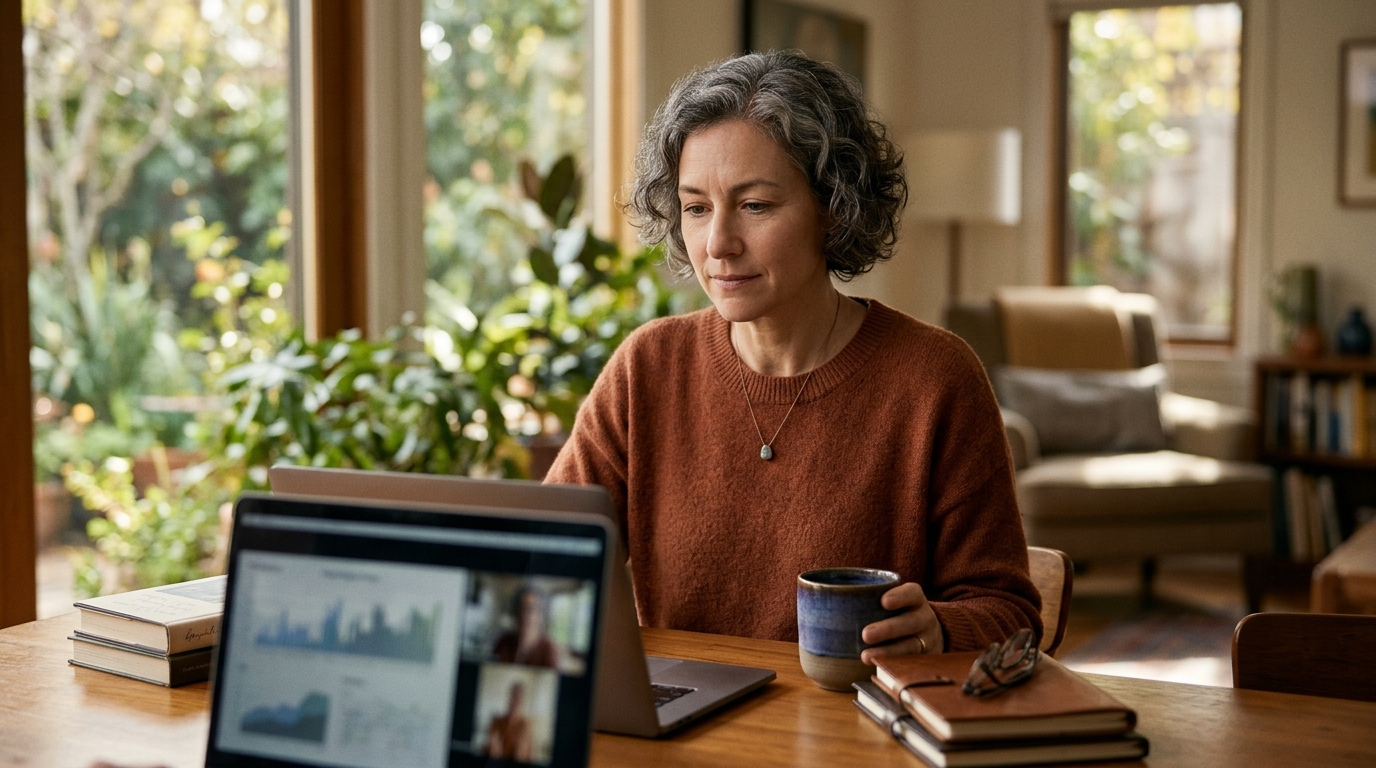
Remote care involves secure video consultations, digital sharing of medical records, and ongoing communication through patient portals. The practitioner reviews your treatment history, lab results, and current symptoms to develop a personalized plan. They monitor your progress and adjust the plan as needed, ensuring that your complementary therapies align with your conventional treatment.
Do I need to inform my oncologist about my naturopathic care?
Yes, it is crucial to inform your oncologist about any complementary therapies you are using. Some supplements and dietary changes can interact with chemotherapy or immunotherapy. A qualified naturopathic oncologist will work with your oncology team to ensure that your care is coordinated and safe.
What is integrative care coordination?
Integrative care coordination is the process of aligning complementary and conventional medical treatments to optimize patient outcomes. It involves communication between all members of the care team, including naturopathic oncologists, oncologists, nurses, and other specialists, to ensure that all therapies are safe and synergistic.
How can I verify a naturopathic oncologist's credentials?
You can verify credentials through the American Board of Naturopathic Medicine (ABNM) website and your state's board of naturopathic medicine. These resources allow you to confirm that the practitioner holds a valid license and board certification. You can also ask the practitioner directly for copies of their credentials and references.