

Common Mistakes When Using Integrative Therapies During Chemotherapy and How to Avoid Them
Integrative oncology is a patient-centered approach that combines conventional cancer treatments with evidence-based complementary therapies to improve quality of life and treatment outcomes. According to the National Cancer Institute, integrative therapies can significantly reduce the side effects of chemotherapy, such as fatigue, nausea, and neuropathy, when used correctly. However, the line between supportive care and harmful interference is thin. Many patients unknowingly compromise their treatment efficacy by making critical errors in supplement selection, timing, and communication with their medical team. This guide outlines the most frequent pitfalls and provides a clear framework for navigating integrative care safely.
Understanding Integrative Oncology
Integrative oncology is a holistic medical discipline that addresses the whole person, including mind, body, and spirit, during cancer treatment. Unlike conventional oncology, which focuses primarily on eradicating the tumor, integrative oncology aims to optimize the patient's overall well-being to withstand the rigors of treatment. This approach includes dietary counseling, stress reduction techniques, physical activity, and the careful use of supplements.
The goal is not to replace chemotherapy or radiation but to support the body through them. For example, acupuncture has been shown to reduce chemotherapy-induced nausea, while mindfulness practices can lower anxiety levels. However, the complexity of cancer biology means that not all "natural" remedies are safe during active treatment. Some compounds can interfere with how the liver processes chemotherapy drugs, potentially reducing their effectiveness or increasing toxicity.
At Thrive Integrative Cancer Care, we emphasize that every patient's journey is unique. Our team of doctors, nutritionists, and functional medicine specialists work together to create a personalized healing blueprint. This ensures that complementary therapies are tailored to the specific chemotherapy regimen and the individual's genetic profile.
Mistake 1: Ignoring Supplement-Chemotherapy Interactions
The most dangerous mistake patients make is assuming that all supplements are benign. High doses of antioxidants, such as vitamin C or E, can theoretically protect cancer cells from the oxidative stress induced by chemotherapy and radiation. While antioxidants are beneficial for healthy cells, they may also shield malignant cells from treatment.
Another common error involves herbal supplements like St. John's Wort or turmeric. These substances can induce or inhibit cytochrome P450 enzymes in the liver. These enzymes are responsible for metabolizing many chemotherapy drugs. If the enzymes are induced, the drug may be cleared from the body too quickly, rendering it ineffective. If they are inhibited, the drug may accumulate to toxic levels.
To avoid this, patients must undergo comprehensive genetic predisposition testing to understand their metabolic profile. Thrive Integrative Cancer Care offers individualized cancer screening protocols and immune health optimization plans that account for these metabolic nuances. Always consult your oncologist before starting any new supplement.
Mistake 2: Poor Timing of Complementary Therapies
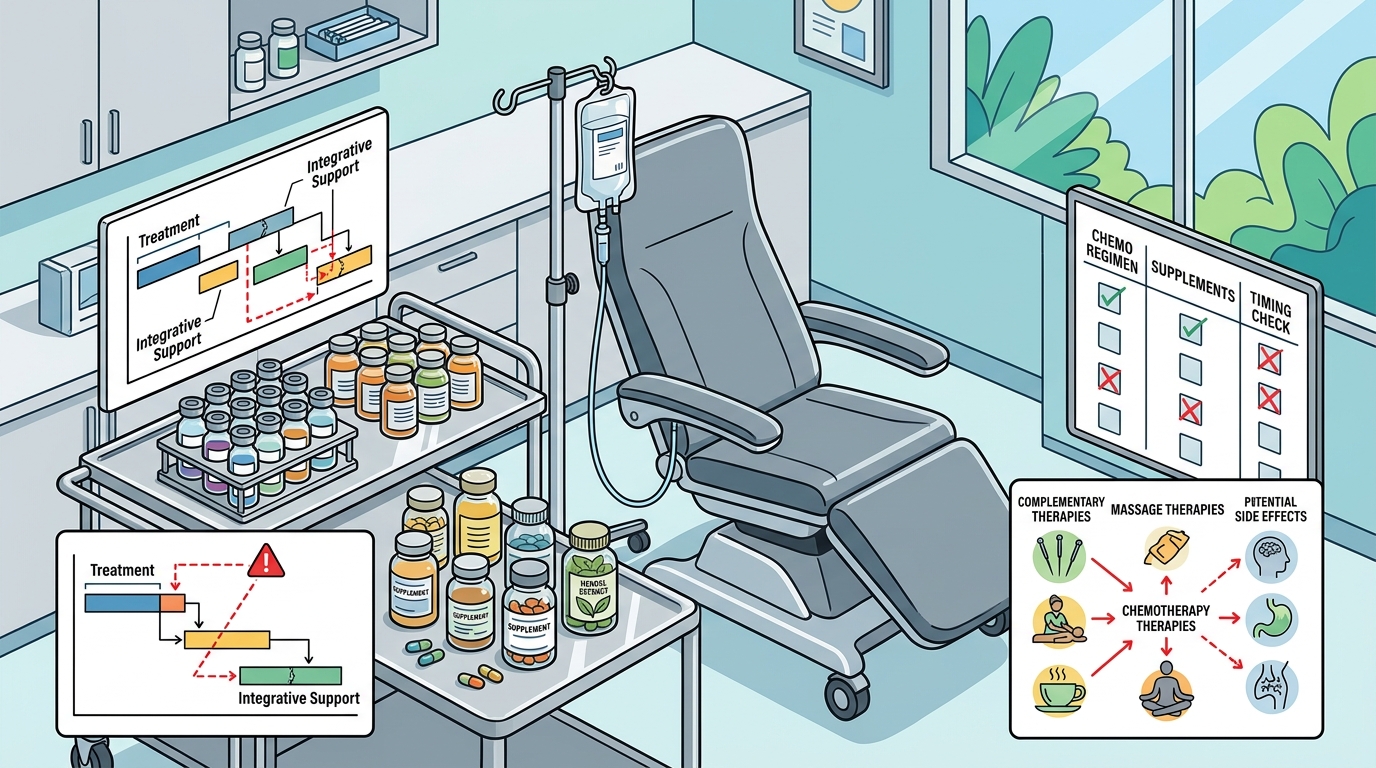
Even safe supplements can be problematic if taken at the wrong time. For instance, taking high-dose antioxidants immediately before or after chemotherapy may interfere with the treatment's mechanism of action. The timing of complementary therapies is just as critical as the substances themselves.
Acupuncture, for example, is most effective when scheduled consistently around treatment cycles to manage side effects proactively rather than reactively. Similarly, dietary changes should be implemented gradually to allow the gut microbiome to adapt, rather than making drastic shifts that could cause additional stress during an already vulnerable period.
Our Active Cancer Program provides structured guidance on timing, ensuring that every intervention supports the treatment schedule rather than conflicting with it. We help patients create a daily routine that balances rest, nutrition, and therapeutic activities to maximize energy and minimize fatigue.
Mistake 3: Lack of Transparent Communication
Many patients hesitate to tell their oncologists about the supplements or alternative therapies they are using. They may fear being judged or told to stop everything, so they keep it secret. This lack of transparency is a critical error because it prevents the medical team from making informed decisions about the patient's care.
Oncologists are not always experts in the specific interactions of every herbal supplement. Conversely, integrative medicine specialists may not be fully aware of the latest chemotherapy protocols. Bridging this gap requires open dialogue. Patients should maintain a complete list of all substances they are taking, including dosages and frequencies, and share it with every member of their care team.
At Thrive Integrative Cancer Care, we facilitate this communication. Our team acts as a bridge between conventional oncology and integrative medicine, ensuring that all providers are aligned in their approach. This collaborative model reduces the risk of adverse interactions and enhances the overall efficacy of the treatment plan.
Mistake 4: Ignoring Lifestyle Foundations
Patients often focus heavily on supplements and treatments while neglecting the foundational pillars of health: sleep, stress management, and physical activity. These lifestyle factors play a crucial role in immune function and treatment tolerance. Chronic stress, for example, elevates cortisol levels, which can suppress the immune system and hinder the body's ability to repair itself.
Similarly, poor sleep quality can exacerbate chemotherapy-induced fatigue and cognitive dysfunction, often referred to as "chemo brain." Addressing these lifestyle factors is not optional; it is essential for optimizing treatment outcomes. Our blog frequently discusses the importance of sleep hygiene and stress reduction techniques in the context of cancer care.
We encourage patients to incorporate gentle movement, such as yoga or walking, into their daily routine. These activities have been shown to improve mood, reduce fatigue, and enhance physical function during cancer treatment. Our membership programs include community support through Facebook groups and live webinars to help patients stay motivated and connected.
Mistake 5: Relying on Anecdotes Over Data
In the age of social media, it is easy to find stories of individuals who claim to have cured cancer with specific diets or supplements. While these stories can be inspiring, they are not scientific evidence. Cancer is a complex disease with diverse biological mechanisms. What works for one person may be harmful to another.
Relying on anecdotes can lead patients to pursue unproven therapies that delay effective treatment or cause harm. It is essential to base decisions on peer-reviewed research and clinical guidelines. Organizations like the American Cancer Society provide evidence-based information on integrative therapies.
Our approach at Thrive Integrative Cancer Care is grounded in science. Dr. Nancy Sharma, our founder, combines over 15 years of experience in medical oncology with a deep understanding of functional medicine. We evaluate each therapy based on its safety and efficacy for your specific condition, ensuring that your choices are informed and intelligent.
Key Takeaways
- Supplement Safety is Paramount: Always verify supplement interactions with your oncologist to avoid compromising chemotherapy efficacy.
- Timing Matters: The schedule of complementary therapies should be coordinated with your treatment cycles to maximize benefit and minimize risk.
- Transparency is Critical: Share all integrative practices with your entire care team to ensure coordinated and safe treatment.
- Lifestyle Foundations: Prioritize sleep, stress management, and gentle physical activity as core components of your healing plan.
- Evidence Over Anecdote: Base decisions on scientific data and professional guidance rather than social media stories.
- Personalized Care: Genetic testing and individualized screening protocols help tailor integrative therapies to your unique biology.
- Collaborative Support: A team of doctors, nutritionists, and life coaches can provide the comprehensive support needed for a successful journey.
Frequently Asked Questions
Can I take antioxidants during chemotherapy?
The use of antioxidants during chemotherapy is complex. While they can protect healthy cells, they may also protect cancer cells from treatment. It is essential to consult with your oncologist to determine the appropriate type and dosage, if any, for your specific regimen.
How does integrative oncology differ from conventional oncology?
Integrative oncology combines conventional treatments like chemotherapy and radiation with evidence-based complementary therapies such as acupuncture, nutrition, and stress reduction. The goal is to treat the whole person, addressing physical, emotional, and spiritual well-being alongside tumor eradication.
What is the role of genetic testing in cancer prevention?
Comprehensive genetic predisposition testing helps identify individuals at higher risk for developing cancer. This information allows for personalized screening protocols and preventive strategies, enabling early detection and intervention.
Can Dr. Sharma provide a second opinion on my current treatment?
Yes, Dr. Sharma offers second opinions on current cancer treatments. This service helps patients understand their options and ensures that their treatment plan aligns with the latest advancements in oncology and integrative medicine.
Is Thrive Integrative Cancer Care covered by insurance?
Thrive Integrative Cancer Care is a cash-based practice offering fee-for-service programs. However, we provide superbills after each appointment that you can submit to your insurance for possible reimbursement.
How can I join the community support groups?
You can join our Facebook groups and attend live webinars to connect with others on their cancer journey. These resources provide encouragement, shared experiences, and expert guidance on maintaining your health goals.
What should I expect during an initial consult?
An initial consult typically involves a comprehensive review of your medical history, current treatment plan, and lifestyle factors. Dr. Sharma will then formulate an individualized healing blueprint that integrates conventional and complementary therapies tailored to your needs.
Take Control of Your Healing Journey
Navigating cancer treatment is challenging, but you do not have to do it alone. By avoiding common mistakes and embracing a personalized, evidence-based integrative approach, you can enhance your quality of life and support your body's natural healing processes. Schedule a 30-minute free introductory call with Dr. Nancy Sharma to discuss your individual needs and explore how Thrive Integrative Cancer Care can support your path to recovery.