

Common Mistakes When Working With an Integrative Oncology Specialist and How to Avoid Them
Integrative oncology is rapidly becoming a cornerstone of modern cancer care, yet the gap between conventional treatment and holistic support remains wide. According to the American Society of Clinical Oncology, nearly 70% of cancer patients use some form of complementary therapy, but many do so without consulting their primary oncologist. This lack of communication can lead to dangerous interactions between supplements and chemotherapy. At Thrive Integrative Cancer Care, we see this pattern repeatedly. Patients often arrive after experiencing severe side effects that could have been mitigated with early, coordinated care. Understanding the common pitfalls in this journey is the first step toward reclaiming your health and peace of mind. (Contact Us Get in)
Failing to Disclose All Supplements and Medications
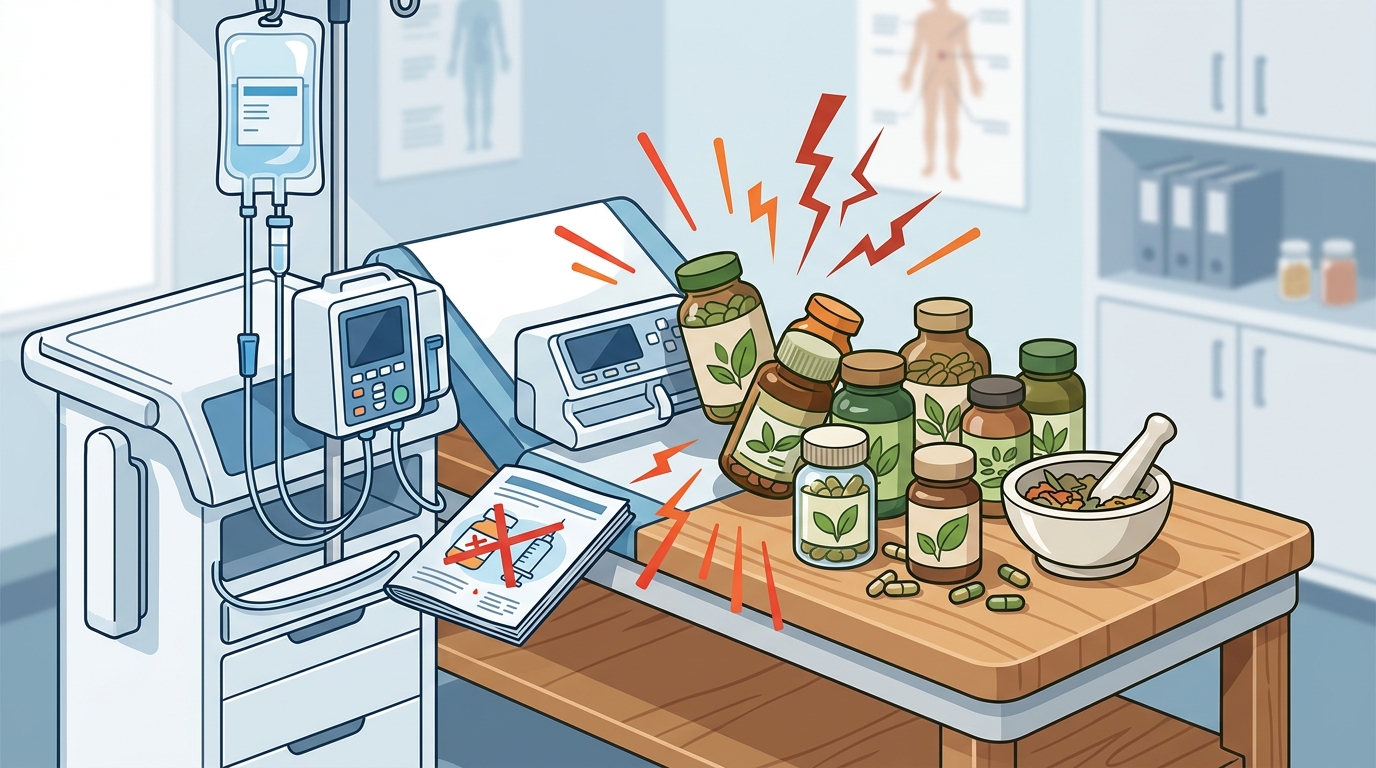
The most critical error patients make is withholding information about their current supplement regimen. Many individuals believe that because a product is "natural," it is harmless. This is a dangerous misconception. Certain antioxidants can interfere with the oxidative stress mechanisms that chemotherapy and radiation use to kill cancer cells. For example, high doses of vitamins C and E taken during active treatment may reduce the efficacy of your primary therapy.
Integrative oncology specialists are trained to review every ingredient you take. However, they cannot help you if they do not know what you are taking. You must maintain a comprehensive list of all prescriptions, over-the-counter drugs, herbal remedies, and dietary supplements. Bring this list to every appointment. Transparency ensures that your care team can identify potential conflicts before they become health crises. This collaborative approach is the foundation of safe integrative medicine.
Seeking Care Too Late in the Journey
Many patients wait until they are in the midst of severe side effects to seek integrative support. By this time, significant damage may have already occurred to their quality of life. Waiting for a crisis to act is a reactive strategy that often leads to prolonged suffering. Integrative care is most effective when it is proactive. It should run parallel to your conventional treatment from day one.
Dr. Nancy Sharma emphasizes that early intervention allows for better management of symptoms like fatigue, nausea, and neuropathy. When you engage with an integrative specialist early, you can build a resilience framework that supports your body through the toughest phases of treatment. Do not wait for your body to break down. Start the conversation about supportive care as soon as your diagnosis is confirmed. This proactive stance can significantly alter your treatment experience and outcomes.
Ignoring Mental and Emotional Health
Cancer is not just a physical disease. It is a profound psychological and emotional challenge. A common mistake is focusing exclusively on the tumor while neglecting the mind. Stress, anxiety, and depression can weaken the immune system and hinder recovery. Integrative oncology addresses the whole person, including mental and spiritual well-being. Ignoring these aspects leaves a critical part of your healing process unaddressed.
Our team includes life coaches and functional medicine specialists who work alongside medical doctors. They help patients develop coping strategies, mindfulness practices, and stress-reduction techniques. These tools are not optional luxuries. They are essential components of a comprehensive care plan. By integrating mental health support, you create a stable foundation for physical healing. This holistic approach ensures that you are supported in every dimension of your life during this difficult time.
Choosing Unverified Practitioners
The field of integrative medicine is vast, and not all practitioners are created equal. A significant mistake is working with providers who lack specific training in oncology. A general nutritionist or wellness coach may not understand the complex interactions between cancer treatments and dietary changes. It is crucial to choose a specialist who is board-certified in medical oncology and has additional training in integrative therapies.
Dr. Nancy Sharma is board-certified in Medical Oncology and Hematology with over 15 years of experience. Her dual expertise allows her to bridge the gap between conventional medicine and holistic care safely. When selecting a specialist, verify their credentials and ask about their specific experience with your type of cancer. Ensure they are licensed to practice in your state, especially if you are seeking telemedicine services. A qualified specialist will prioritize safety and evidence-based practices above all else.
Neglecting Preventative Strategies for Survivors
Once treatment ends, many patients feel they can return to their previous lifestyle without guidance. This is a risky approach. The risk of recurrence is real, and lifestyle factors play a huge role in long-term survival. Neglecting preventative strategies during the survivorship phase can undo the progress made during active treatment. Integrative oncology provides a roadmap for long-term health, not just immediate relief.
Our Cancer Prevention Program is designed to reduce the risk of developing cancer and improve early detection. It includes comprehensive genetic predisposition testing, individualized cancer screening protocols, and immune health optimization. For survivors, this means a personalized plan that addresses your unique risk factors. Whether you have a family history of cancer or specific genetic markers, a tailored prevention plan can empower you to take control of your future health. Prevention is just as important as treatment.
Comparison of Care Models
Understanding the difference between standard care and integrative care can help you make informed decisions. The table below outlines the key distinctions.
| Feature | Standard Oncology Care | Integrative Oncology Care |
|---|---|---|
| Primary Focus | Tumor reduction and disease management | Whole-person health and symptom management |
| Therapy Approach | Chemotherapy, radiation, surgery | Conventional treatments plus nutrition, supplements, and mind-body practices |
| Side Effect Management | Reactive medication for symptoms | Proactive prevention and holistic mitigation |
| Long-Term Planning | Surveillance for recurrence | Personalized prevention and lifestyle optimization |
Key Takeaways
- Transparency is Vital: Always disclose every supplement and medication to your care team to avoid dangerous interactions.
- Early Engagement: Seek integrative support at the time of diagnosis, not just after side effects become unmanageable.
- Holistic Scope: Address mental and emotional health alongside physical treatment for complete healing.
- Credential Verification: Choose specialists with board certification in oncology and specific integrative training.
- Prevention Matters: Engage in preventative programs like genetic testing and lifestyle modification to reduce recurrence risk.
- Telemedicine Access: Utilize HIPAA-compliant telemedicine for convenient, personalized care from home.
- Personalized Plans: Reject one-size-fits-all advice in favor of individualized healing blueprints.
Frequently Asked Questions
What is integrative oncology?
Integrative oncology is a specialized field that combines conventional cancer treatments with evidence-based complementary therapies to address the whole person, including mind, body, and spirit.
Can I take supplements during chemotherapy?
Some supplements are safe and beneficial, while others can interfere with treatment. You must consult your oncologist before starting any new supplement to ensure safety.
How does Dr. Sharma approach cancer care?
Dr. Sharma uses a holistic approach that integrates her expertise in medical oncology with functional medicine, nutrition, and lifestyle coaching to create personalized care plans.
Is integrative cancer care covered by insurance?
Thrive Integrative Cancer Care is a cash-based practice. However, we provide superbills that you can submit to your insurance for possible reimbursement of services.
What is the Cancer Prevention Program?
This is a 12-week program designed to reduce cancer risk through genetic testing, screening protocols, immune optimization, and lifestyle modifications.
Do you offer telemedicine services?
Yes, our team provides HIPAA-compliant telemedicine visits, allowing you to receive personalized care from the comfort of your home.
Who is eligible for the Cancer Survivorship Program?
This program is for individuals who have completed active cancer treatment and wish to focus on long-term wellness, recurrence prevention, and quality of life.
Take Control of Your Healing Journey
Avoiding these common mistakes can transform your cancer experience from one of fear and uncertainty to one of empowerment and hope. At Thrive Integrative Cancer Care, we are dedicated to guiding you through every step of your journey with expertise and compassion. Whether you are newly diagnosed, actively undergoing treatment, or in survivorship, we have a program tailored to your needs.
Do not navigate this path alone. Schedule a 30-minute free introductory call to discuss your individual needs. Discover how our integrative approach can help you heal with more comfort, strength, and peace of mind. Explore our membership programs today and take the first step toward a balanced, supportive, and personalized approach to cancer care.