

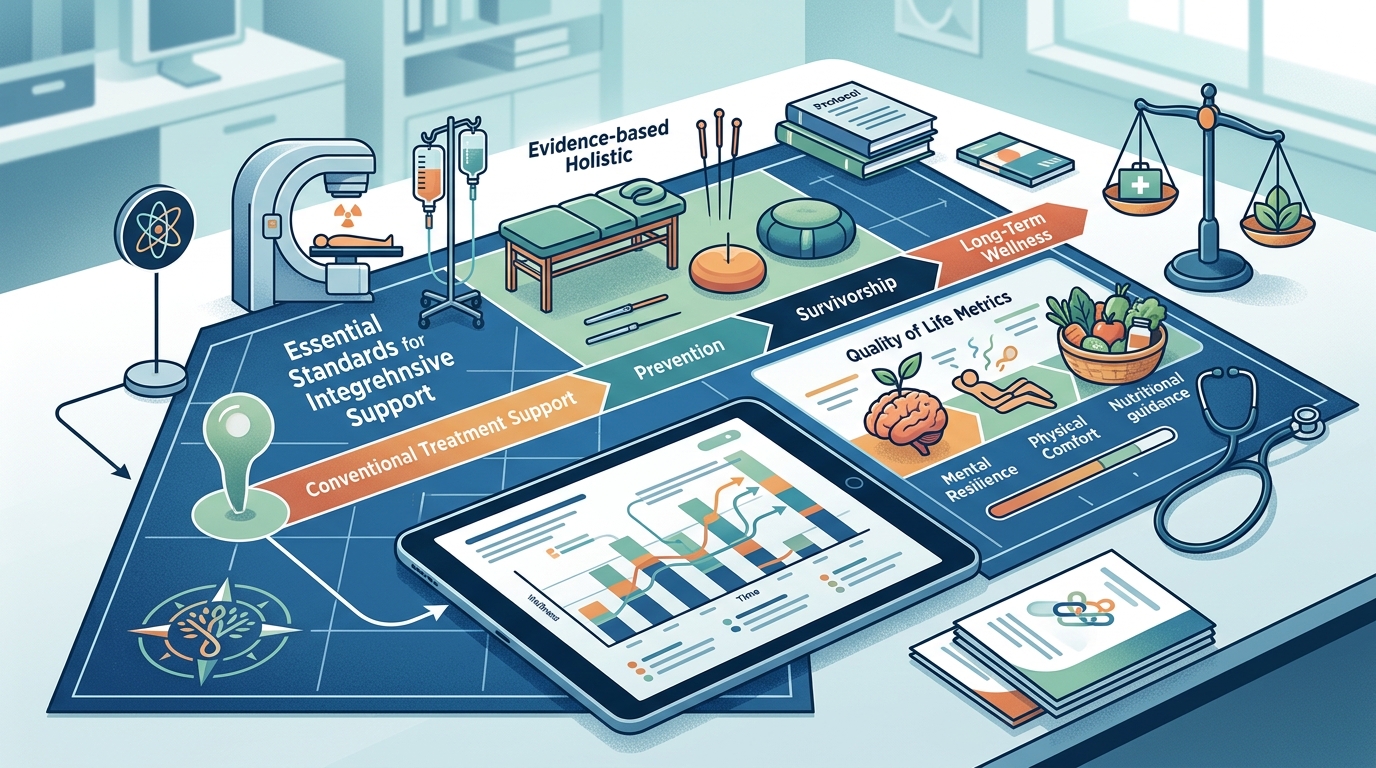
Modern oncology is undergoing a fundamental shift in how patient outcomes are measured and supported. According to recent clinical data, patients who receive holistic support alongside conventional treatment report significantly higher quality of life metrics. This evolution moves beyond simple survival rates to encompass mental resilience, physical comfort, and long-term wellness. The integration of evidence-based complementary therapies with standard medical protocols represents the new gold standard in patient care.
Defining Integrative Oncology Standards
To understand the necessity of comprehensive standards, we must first establish clear definitions. Integrative Oncology is a specialized medical discipline that combines conventional cancer treatments with evidence-based complementary therapies. This approach does not replace chemotherapy or radiation but rather supports the patient through them. The goal is to mitigate side effects, improve treatment adherence, and enhance overall well-being.
Another critical component is the scope of care. Holistic Cancer Care is a patient-centered approach that addresses the mind, body, and spirit simultaneously. It recognizes that a cancer diagnosis impacts emotional health, nutritional status, and spiritual peace. By treating the whole person, providers can identify root causes of distress and offer targeted interventions.
Finally, the operational framework relies on precision. Personalized Cancer Healing is a tailored care plan designed to meet the unique genetic, lifestyle, and medical needs of each individual. There is no one-size-fits-all protocol. Standards dictate that every patient must undergo a comprehensive assessment to determine the most effective combination of therapies for their specific stage and type of cancer.
Core Clinical Requirements for Safety
Comprehensive care is not merely about adding supplements to a treatment plan. It requires rigorous safety standards to prevent adverse interactions. The primary standard is the integration of conventional treatments such as immunotherapy, targeted therapies, and chemotherapy with complementary modalities. This requires a deep understanding of pharmacokinetics and drug-herb interactions.
Expert Leadership and Collaboration
Effective integrative care demands leadership from board-certified oncologists who understand both sides of the equation. Providers must stay at the forefront of cutting-edge oncology research. They must be able to evaluate the safety of holistic supplements alongside traditional drugs. This dual expertise ensures that patients receive second opinions on their current treatments and guidance on safe integrative options.
Genetic and Risk Assessment
For patients in prevention or survivorship phases, genetic predisposition testing is a cornerstone standard. Understanding one's genetic profile allows for individualized cancer screening protocols. This proactive approach helps in early detection and risk mitigation. It also guides lifestyle modifications and dietary optimizations that are specific to the patient's biological makeup.
Service Delivery and Accessibility
The modern patient expects accessibility and convenience. Comprehensive standards now include flexible service delivery models that reduce the burden of travel and scheduling conflicts. Telemedicine has become a vital tool in this ecosystem, allowing for continuous care without the stress of hospital visits.
Telemedicine and HIPAA Compliance
All digital interactions must adhere to strict privacy standards. HIPAA-compliant telemedicine visits ensure that patient data remains secure while providing care from the comfort of home. This model is particularly effective for follow-up consults, nutritional counseling, and mental health support. It allows patients to maintain their routine while receiving expert guidance.
Community and Support Networks
Isolation is a common challenge during cancer treatment. Comprehensive care includes community encouragement through moderated groups and live webinars. These platforms provide a space for patients to share experiences and receive peer support. This social component is critical for mental health and helps patients stay focused on their healing goals.
Comparing Care Models and Programs
Patients often face a choice between different levels of engagement. Understanding the differences between prevention, survivorship, and active care programs is essential for making an informed decision. The table below outlines the key distinctions between these service models.
| Program Type | Target Audience | Key Services Included | Primary Goal |
|---|---|---|---|
| Cancer Prevention Program | Individuals with genetic risks or family history | Genetic testing, screening protocols, lifestyle modification | Risk reduction and early detection |
| Active Cancer Program | Patients currently undergoing treatment | Side effect management, nutritional support, second opinions | Treatment adherence and quality of life |
| Cancer Survivorship Program | Post-treatment patients in remission | Long-term wellness planning, immune optimization | Long-term health and recurrence prevention |
| Non-Member Services | Individuals seeking specific consultations | Ala carte consults, second opinions | Targeted expert advice |
Each program is designed to meet patients where they are in their journey. The Cancer Prevention Program focuses on reducing risk through comprehensive genetic testing and immune health optimization. In contrast, the Active Cancer Program provides immediate support for those dealing with the debilitating side effects of treatment. This includes guidance on GLP-1 medicines for weight management and holistic supplements for inflammation prevention.
Key Takeaways
- Integrated Approach: Effective care combines conventional oncology with evidence-based complementary therapies to improve outcomes.
- Expert Leadership: Care is led by board-certified oncologists with over 15 years of experience in medical oncology and hematology.
- National Accessibility: Services are available via HIPAA-compliant telemedicine, allowing licensed care across all 50 states.
- Personalized Plans: Each patient receives an individualized healing blueprint based on genetic predisposition and specific health needs.
- Prevention Focus: Programs include comprehensive genetic testing and individualized screening protocols for early detection.
- Community Support: Patients benefit from moderated Facebook groups and live webinars for ongoing encouragement.
- Flexible Options: Non-members can access ala carte consults and second opinions without committing to a full program.
Frequently Asked Questions
What is the difference between integrative oncology and conventional oncology?
Conventional oncology focuses primarily on treating the disease through surgery, chemotherapy, and radiation. Integrative oncology adds evidence-based complementary therapies to manage side effects, improve quality of life, and support the whole person during treatment.
Who is eligible for the Cancer Prevention Program?
This program is designed for individuals with genetic predispositions, family histories of cancer, or exposure to toxins. It is also suitable for those with conditions like ductal carcinoma in situ (DCIS) or individuals with no history of cancer who seek proactive prevention strategies.
Can I receive care if I live outside the Pacific Northwest?
Yes. The practice is licensed to provide care in all 50 states. Services are delivered via HIPAA-compliant telemedicine, allowing you to receive expert guidance from the comfort of your home regardless of your location.
Does insurance cover these services?
Thrive Integrative Cancer Care is a cash-based practice offering fee-for-service programs. However, they provide superbills after each appointment that you can submit to your insurance provider for possible reimbursement.
What is included in the Active Cancer Program?
The Active Cancer Program includes personalized support to ease treatment side effects. Services include immune health optimization, holistic supplement guidance, dietary optimization, and weight management support. It also offers second opinions on current treatments.
How do I schedule an introductory call?
You can schedule a 30-minute free introductory call to discuss your individual needs. This call allows you to learn more about the philosophy, process, and how the team can support your specific healing journey.
What is the role of Dr. Nancy Sharma in this care model?
Dr. Sharma is a board-certified medical oncologist and hematologist with over 15 years of experience. She leads the clinical team, formulates individualized plans, and provides second opinions on cancer treatments, ensuring that all integrative approaches are safe and effective.
Start Your Personalized Care Journey
Comprehensive integrative cancer care is not a luxury; it is a standard of excellence that empowers patients to heal with strength and peace. Whether you are newly diagnosed, actively undergoing treatment, or seeking prevention strategies, the right support can make a profound difference. Take control of your healing today by connecting with a team that understands the complexities of your journey.
Schedule your free introductory call now to discover how personalized care can transform your cancer experience. Visit the About Dr. Nancy Sharma page to learn more about the clinical expertise behind the program. Explore the Programs section to find the right path for your needs. Join the Community Blog for ongoing insights and support. Contact the team directly via the Contact Page for immediate assistance.