

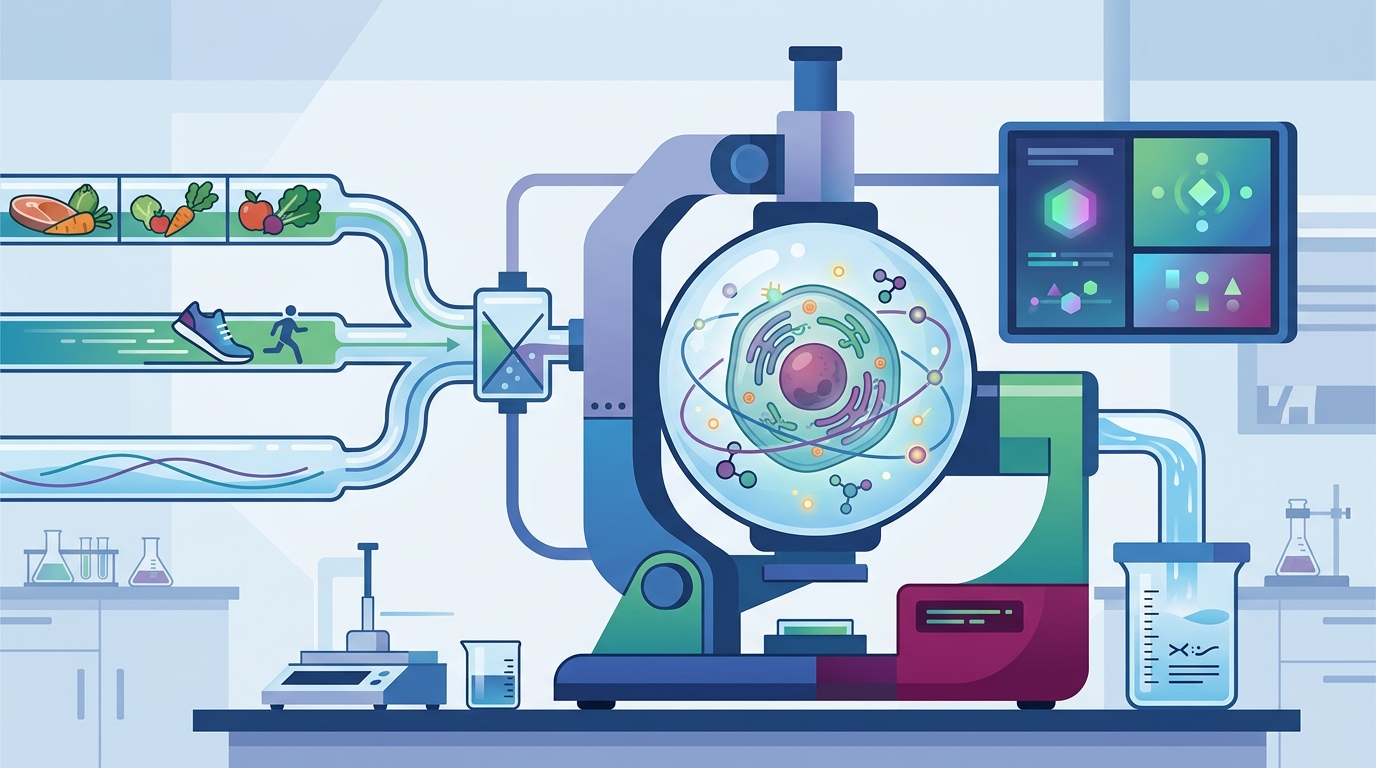
According to the World Health Organization, approximately forty-five percent of all cancer cases occur globally each year, and a significant portion of these diagnoses involve modifiable lifestyle factors. Global health data consistently demonstrates that daily behavioral adjustments directly influence cellular repair mechanisms and immune surveillance. Integrative oncology focuses on identifying these precise behavioral levers to reduce disease incidence and improve long-term survival metrics. Patients who adopt structured nutritional protocols, consistent physical activity, and targeted stress reduction techniques frequently report enhanced treatment tolerance and reduced recurrence rates. This comprehensive guide outlines the evidence-based lifestyle changes that support cancer prevention and long-term health.
Nutritional Foundations
Dietary composition directly regulates inflammatory cascades and oxidative stress pathways that drive cellular mutation. Prioritizing whole, unprocessed foods establishes a stable metabolic environment that discourages abnormal cell proliferation. Metabolic flexibility is the physiological capacity to efficiently switch between glucose and fatty acid oxidation for sustained energy production. When this system functions optimally, tissues receive consistent fuel without triggering insulin spikes that can accelerate tumor growth. Clinical research published by the American Cancer Society indicates that diets rich in cruciferous vegetables, leafy greens, and polyphenol-dense berries significantly lower colorectal and breast cancer incidence. Dietary guidelines recommend consuming at least five servings of plant-based foods daily to maximize antioxidant absorption. Patients visiting our comprehensive programs receive personalized meal planning that aligns with their specific metabolic profile and treatment timeline.
Physical Activity Protocols
Regular movement serves as a powerful biological regulator that enhances lymphatic drainage and oxygen delivery to peripheral tissues. The National Cancer Institute reports that adults who engage in one hundred fifty minutes of moderate aerobic exercise weekly experience a twenty percent reduction in recurrence risk across multiple cancer types. Exercise guidelines emphasize combining cardiovascular conditioning with resistance training to preserve lean muscle mass during prolonged treatment phases. Physical exertion stimulates the release of endorphins and myokines, which actively suppress chronic inflammation and improve immune cell circulation. Our educational blog provides detailed movement prescriptions tailored to individual fitness baselines and recovery stages. Consistent activity also regulates estrogen metabolism and improves insulin sensitivity, creating an internal environment that actively resists malignant transformation.
Stress Management Techniques
Chronic psychological pressure elevates cortisol and adrenaline levels, which directly suppress natural killer cell activity and DNA repair efficiency. Mindfulness meditation, breathwork protocols, and cognitive behavioral therapy establish measurable reductions in systemic inflammation markers. Patients who practice daily stress reduction techniques demonstrate improved treatment adherence and faster postoperative recovery timelines. Our clinical team integrates validated psychological support frameworks into every care plan to address the mind-body connection. Sustained emotional regulation prevents the hormonal dysregulation that frequently accelerates disease progression. Implementing structured relaxation routines creates a physiological buffer that protects cellular integrity during high-stress periods.
Sleep and Circadian Alignment
Restorative sleep serves as the primary window for tissue regeneration, hormone balancing, and metabolic waste clearance. Circadian alignment refers to the synchronization of daily biological rhythms with environmental light and darkness cycles. Disrupted sleep patterns directly impair melatonin production, which functions as a potent antioxidant and tumor suppressor. Research published in Nature Medicine demonstrates that shift workers and individuals with irregular sleep schedules face significantly higher risks of hormone-sensitive malignancies. Chronobiology studies confirm that maintaining consistent sleep and wake times optimizes immune surveillance and cellular repair. Patients who prioritize eight hours of uninterrupted rest experience enhanced treatment efficacy and reduced fatigue. Our dedicated support staff assists individuals in establishing sleep hygiene protocols that align with their specific circadian biology.
Environmental Toxin Reduction
Modern living environments contain numerous endocrine-disrupting chemicals that interfere with hormonal signaling and cellular communication. Reducing exposure to heavy metals, volatile organic compounds, and processed plastic containers significantly lowers cumulative toxic burden. The National Institutes of Health highlights that minimizing contact with industrial pollutants and household aerosols directly reduces oxidative stress and DNA damage. Environmental health research consistently links reduced chemical exposure to improved long-term outcomes across all cancer stages. Individuals should prioritize filtered water, organic produce when possible, and non-toxic household cleaning products. Our active cancer care pathway includes comprehensive environmental exposure assessments to identify and eliminate hidden risk factors. Proactive toxin reduction creates a cleaner internal environment that supports natural detoxification pathways and immune resilience.
Integrative Support Programs
Integrative oncology is a multidisciplinary approach that combines conventional medical treatments with evidence-based lifestyle therapies. This methodology ensures that nutritional, physical, and psychological interventions complement standard oncology protocols without interfering with clinical efficacy. Patients who engage in structured integrative care report higher quality of life scores and improved treatment tolerance. Our onboarding process begins with a comprehensive health assessment to identify personalized intervention priorities. Coordinated care teams monitor biomarkers, adjust lifestyle prescriptions, and track progress through measurable clinical endpoints. This holistic framework empowers individuals to actively participate in their healing journey while maintaining scientific rigor and clinical safety.
Comparative Intervention Summary
| Intervention Category | Primary Biological Benefit | Clinical Recommendation | Resource Link |
|---|---|---|---|
| Plant-Dense Nutrition | Reduces systemic inflammation and oxidative stress | Five daily servings of whole plant foods | Nutrition Programs |
| Structured Exercise | Enhances lymphatic drainage and oxygen delivery | One hundred fifty minutes weekly moderate activity | Activity Guides |
| Mindfulness Protocols | Lowers cortisol and supports immune surveillance | Daily twenty-minute meditation or breathwork | Care Philosophy |
| Circadian Optimization | Maximizes melatonin production and tissue repair | Eight hours uninterrupted rest with consistent timing | Consultation |
| Toxin Reduction | Decreases endocrine disruption and cellular damage | Filtered water and non-toxic household products | Active Care |
Key Takeaways
- Approximately forty-five percent of global cancer cases involve modifiable lifestyle factors according to World Health Organization metrics.
- Metabolic flexibility enables efficient energy switching, which directly suppresses abnormal cell proliferation and insulin-driven growth signals.
- One hundred fifty minutes of weekly moderate exercise reduces recurrence risk by twenty percent across multiple malignancy types.
- Circadian alignment optimizes melatonin production, which functions as a potent antioxidant and tumor suppressor during restorative sleep.
- Chronic stress elevates cortisol levels, which directly suppresses natural killer cell activity and impairs DNA repair efficiency.
- Integrative oncology coordinates conventional treatments with lifestyle therapies to maximize treatment tolerance and long-term survival metrics.
- Environmental toxin reduction minimizes cumulative oxidative stress and supports natural detoxification pathways throughout all treatment phases.
Frequently Asked Questions
How quickly do lifestyle changes impact cancer risk reduction?
Biological adaptations begin within three to six months of consistent implementation. Cellular turnover cycles and immune surveillance improvements become measurable through standard biomarker tracking. Patients typically observe enhanced energy levels and improved treatment tolerance within the first ninety days.
Can stress management replace conventional cancer treatments?
No. Stress management serves as a complementary support system that enhances clinical outcomes without replacing standard oncology protocols. Integrative care ensures that psychological interventions work synergistically with medical treatments to maximize efficacy and safety.
What specific dietary components offer the strongest protective benefits?
Cruciferous vegetables, leafy greens, and polyphenol-dense berries provide the most robust antioxidant and anti-inflammatory effects. These foods supply essential compounds that actively neutralize free radicals and support healthy cellular differentiation.
How does sleep quality directly influence immune function?
Restorative sleep maximizes melatonin production and natural killer cell circulation, which actively identify and eliminate abnormal cells. Disrupted sleep patterns directly impair these protective mechanisms and increase susceptibility to disease progression.
Are environmental toxins truly preventable in modern living conditions?
While complete elimination is impossible, significant reduction is achievable through filtered water, organic produce, and non-toxic household products. Our clinical assessments identify high-exposure vectors and provide actionable mitigation strategies for every patient.
What distinguishes integrative oncology from standard preventive care?
Integrative oncology coordinates conventional medical treatments with evidence-based lifestyle therapies to address the complete biological ecosystem. This methodology ensures that nutritional, physical, and psychological interventions complement standard protocols without interfering with clinical efficacy.
Begin Your Prevention Protocol
Implementing sustainable lifestyle changes requires professional guidance, personalized planning, and continuous clinical monitoring. Our comprehensive assessment framework identifies your specific risk factors and designs a targeted intervention strategy aligned with your health objectives. Schedule your consultation today to receive a customized prevention roadmap and begin building long-term resilience. Our dedicated care team stands ready to support your journey toward optimal health and lasting wellness.