

Integrative oncology is rapidly becoming a standard component of modern cancer care, with data showing that over 70% of cancer patients seek complementary therapies to manage symptoms and improve quality of life. This shift reflects a growing understanding that treating the whole person, rather than just the disease, leads to better outcomes. At Thrive Integrative Cancer Care, we focus on bridging the gap between conventional medical treatments and supportive holistic practices. This guide outlines how you can access these vital resources to navigate your treatment journey with greater resilience and peace of mind.
What Is Integrative Cancer Care?
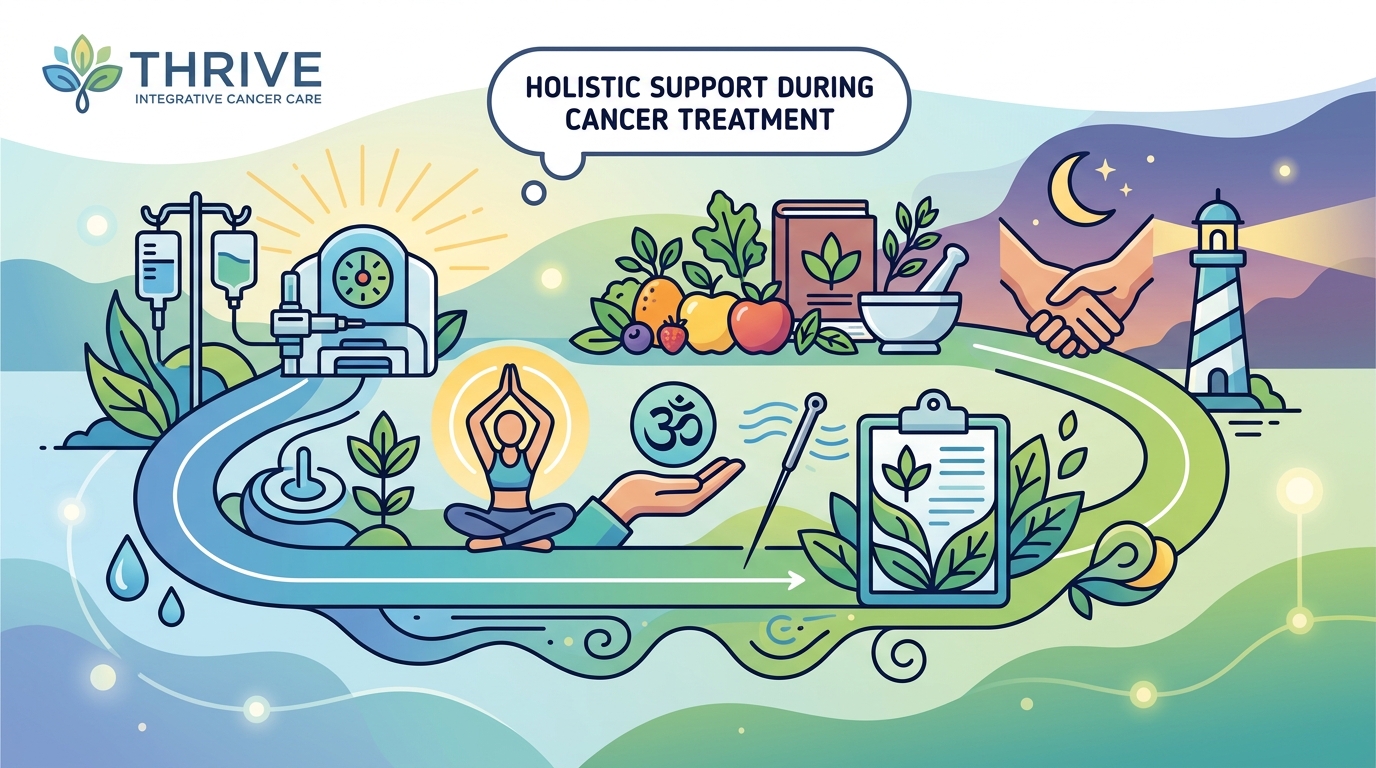
Integrative cancer care is a coordinated approach that combines conventional medical treatments, such as chemotherapy and radiation, with evidence-based complementary therapies. Unlike alternative medicine, which is used instead of standard care, integrative medicine works alongside it to enhance patient well-being. This model recognizes that cancer affects the body, mind, and spirit simultaneously.
The goal is to reduce the side effects of treatment, boost the immune system, and provide emotional stability. According to the National Cancer Institute, patients who receive integrative care often report lower levels of anxiety and improved physical function. This holistic framework ensures that every aspect of your health is addressed, not just the tumor.
At Thrive Integrative Cancer Care, we specialize in creating personalized plans that align with your specific diagnosis and treatment phase. Our team works closely with your primary oncologist to ensure safety and efficacy. This collaboration is essential for preventing interactions between supplements and medications. You can learn more about our philosophy by visiting our About page.
Benefits of Holistic Support
Seeking holistic support during cancer treatment offers numerous advantages that extend beyond physical symptom management. The primary benefit is the reduction of treatment-related toxicity. Therapies such as acupuncture and mindfulness meditation have been shown to decrease nausea, pain, and fatigue. These non-pharmacological interventions provide a natural buffer against the harshness of conventional therapies.
Emotional and psychological support is another critical component. A cancer diagnosis often triggers significant stress, anxiety, and depression. Integrative care addresses these mental health challenges through counseling, support groups, and stress-reduction techniques. Research indicates that patients with strong emotional support systems have better adherence to their treatment plans and report higher satisfaction with their care.
Furthermore, holistic support empowers patients to take an active role in their healing process. This sense of agency can significantly improve mental resilience. By focusing on nutrition, sleep hygiene, and gentle movement, patients can maintain a higher quality of life throughout their journey. For more insights on our approach, check out our Blog.
Core Services Offered
Thrive Integrative Cancer Care provides a comprehensive suite of services designed to support patients at every stage of their cancer journey. These services are tailored to individual needs and are delivered by a multidisciplinary team of experts.
Active Cancer Care Support
During active treatment, the body undergoes significant stress. Our active cancer care programs focus on managing side effects and maintaining strength. This includes nutritional counseling to prevent weight loss and muscle wasting, as well as therapies to manage pain and fatigue. We provide Active Cancer Care protocols that are specifically designed to work in tandem with your oncology schedule.
Prevention and Survivorship
For those who have completed treatment or are at high risk, prevention and survivorship programs are essential. These services focus on long-term health optimization, recurrence prevention, and lifestyle modification. Nutritional strategies, exercise prescriptions, and stress management techniques are core components. You can explore our Programs page to see the full range of offerings.
Nutritional and Lifestyle Counseling
Proper nutrition is foundational to cancer care. Our registered dietitians specialize in oncology nutrition, helping patients navigate dietary challenges such as taste changes and digestive issues. We provide evidence-based guidelines that support immune function and treatment tolerance. This personalized approach ensures that your body receives the nutrients it needs to heal.
Choosing the Right Program
Selecting the appropriate holistic support program requires careful consideration of your medical history, current treatment phase, and personal goals. It is important to choose a provider that communicates effectively with your oncology team. This ensures that all interventions are safe and coordinated.
Consider the following factors when evaluating integrative care options:
| Factor | Description | Why It Matters |
|---|---|---|
| Treatment Phase | Active treatment vs. survivorship | Needs change drastically between phases. |
| Provider Credentials | Oncology-specific training | Ensures safety and expertise. |
| Coordination | Communication with oncologist | Prevents harmful drug interactions. |
| Personalization | Tailored care plans | Addresses unique patient needs. |
At Thrive Integrative Cancer Care, we prioritize coordination and personalization. Our team conducts a thorough initial assessment to understand your unique situation. We then develop a care plan that integrates seamlessly with your medical treatment. This patient-centered approach is key to achieving the best possible outcomes.
Key Takeaways
- Integrative cancer care combines conventional treatment with evidence-based complementary therapies to improve quality of life.
- Over 70% of cancer patients use complementary therapies, highlighting the widespread demand for holistic support.
- Thrive Integrative Cancer Care offers specialized programs for active treatment, prevention, and survivorship.
- Nutritional counseling and stress management are critical components of holistic cancer care.
- Coordination with your oncologist is essential to ensure the safety of all integrative interventions.
- Personalized care plans address the unique physical, emotional, and psychological needs of each patient.
- Early engagement with integrative care can help manage side effects and improve treatment tolerance.
Frequently Asked Questions
What is the difference between integrative and alternative cancer care?
Integrative cancer care works alongside conventional medical treatments, such as chemotherapy and surgery, to enhance patient well-being. Alternative cancer care is used instead of standard medical treatment and is not recommended by the medical community for treating cancer. Integrative care is evidence-based and coordinated with your oncologist.
How do I find holistic support during cancer treatment?
You can find holistic support by consulting with your oncologist for referrals to integrative oncology specialists. You can also visit the Get Started page on our website to schedule a consultation. Additionally, cancer support organizations often provide directories of certified integrative care providers.
Can integrative therapies interact with my cancer medications?
Yes, some supplements and therapies can interact with cancer medications. This is why coordination with your oncologist is crucial. Our team at Thrive Integrative Cancer Care carefully reviews all potential interactions to ensure your safety. We only recommend interventions that are safe for your specific treatment regimen.
What types of therapies are included in integrative cancer care?
Integrative cancer care includes a wide range of therapies such as acupuncture, massage therapy, nutritional counseling, mindfulness meditation, and yoga. These therapies are selected based on their ability to manage specific symptoms and improve overall quality of life. Each patient receives a personalized plan tailored to their needs.
Is holistic support covered by insurance?
Coverage for integrative cancer care varies by insurance provider and plan. Some insurance plans cover acupuncture or nutritional counseling, while others may not. We recommend checking with your insurance provider for specific coverage details. Our team can also provide documentation to support your claim if necessary.
When should I start seeking holistic support?
It is beneficial to start seeking holistic support as early as possible in your cancer journey. Early intervention can help manage side effects from the beginning of treatment and build resilience. You can contact us at any time to discuss your needs. Visit our Contact page to get in touch.
Get Started
Finding holistic support during cancer treatment is a vital step toward improving your quality of life and treatment outcomes. At Thrive Integrative Cancer Care, we are dedicated to providing comprehensive, personalized care that addresses your physical, emotional, and spiritual needs. Our team of experts is ready to work with you and your oncologist to create a safe and effective care plan.
Do not navigate this journey alone. Take the first step toward holistic support by scheduling a consultation with our team. We are here to help you thrive. Click here to Get Started today and discover how integrative care can support your healing journey.