

Telehealth Integrative Oncology: A Complete Guide to Virtual Cancer Care
Telemedicine Cancer Consultations
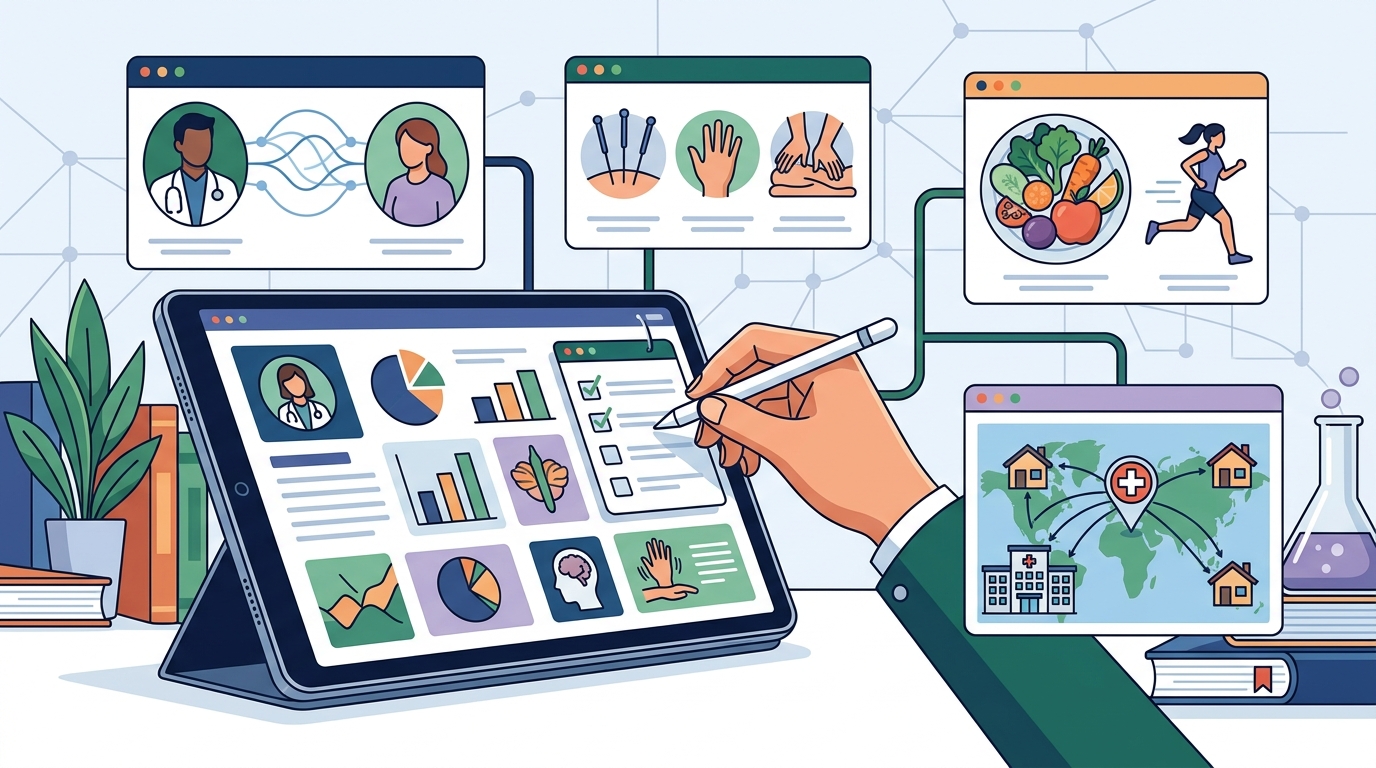
Telehealth, sometimes referred to as telemedicine, is health care provided by doctors and other health care providers from a distance using electronic means. Virtual cancer care visits have gained significant traction, particularly after the pandemic accelerated the adoption of mobile technologies in health care. This shift has benefited integrative oncology consultations, where patients are counseled about healthy lifestyle choices and non-pharmacological interventions. For many patients, remote access removes geographical barriers and reduces the physical burden of frequent clinic visits during active treatment. For additional details, review the www thriveintegrativecancercare com.
Scope of Virtual Integrative Care
Integrative oncology is used to describe the application of integrative medicine to the care of cancer patients. The field has evolved significantly since the establishment of early integrative medicine programs in the late 1990s. In a telehealth setting, consultations typically focus on symptom management, nutritional support, and stress reduction. Providers may discuss dietary modifications, mindfulness practices, and safe use of supplements. These discussions are designed to complement, not replace, standard oncology treatments such as chemotherapy, radiation, or surgery. For additional details, review the thriveintegrativecancercare com.
Benefits of Remote Consultations
Remote consultations offer flexibility for patients managing treatment schedules. Patients can connect with providers from the comfort of their homes, which is particularly helpful for those experiencing fatigue or mobility issues. The use of mobile technologies has catalyzed new medical models that prioritize patient convenience and continuity of care. This approach supports patient-centered, sustainable, and culturally sensitive cancer care, aligning with global health strategies that emphasize value-based integration of complementary therapies.
Naturopathic Oncology Credentials
Naturopathic oncology is a specialized field that combines naturopathic principles with cancer care. Practitioners in this field often hold degrees in naturopathic medicine and may have additional training in oncology. When selecting a provider, it is important to verify their credentials and scope of practice. In the United States, naturopathic doctors (NDs) are licensed in some states but not all. Patients should confirm whether their provider is licensed in their state of residence, especially when using telehealth services.
Understanding Provider Credentials
Credentials in integrative oncology vary widely. Some providers are medical doctors (MDs) with additional training in integrative medicine, while others are naturopathic doctors (NDs) or nurse practitioners (NPs) with complementary therapy certifications. The National Center for Complementary and Integrative Health (NCCIH) notes that integrative health care programs may offer services such as acupuncture and meditation to help manage symptoms. Patients should ask providers about their specific training, board certifications, and experience working with cancer patients.
Scope of Practice and Safety
The scope of practice for naturopathic oncologists depends on state regulations. In some states, NDs can prescribe certain medications and perform minor procedures, while in others, their practice is limited to natural therapies. It is crucial for patients to understand what a provider can and cannot do. The National Cancer Institute (NCI) emphasizes the importance of talking to your doctor about complementary and alternative medicine (CAM) and its safety. Patients should always inform their primary oncologist about any complementary therapies they are using to avoid potential interactions with conventional treatments.
Integrating Telehealth with Conventional Care
Integrative oncology is not a replacement for conventional cancer treatment. It is a complementary approach designed to enhance quality of life and manage side effects. Patients should work closely with their primary oncology team to ensure that any complementary therapies are safe and appropriate for their specific condition. Telehealth integrative oncology providers can serve as a valuable resource for addressing symptoms that may not be fully addressed in standard oncology visits.
Building a Coordinated Care Plan
A coordinated care plan involves communication between the integrative provider and the primary oncologist. Patients should share their integrative care plans with their oncology team and seek approval for any new therapies. This collaboration ensures that all aspects of care are aligned and that potential risks are minimized. Research suggests that integrative oncology may support patient-centred, sustainable, and culturally sensitive cancer care, potentially supporting its value-based integration into national reimbursement frameworks.
Practical Steps for Patients
Comparison of Care Models
| Primary Focus | Tumor treatment and disease management | Symptom management and quality of life |
| Delivery Method | In-person clinic visits | Secure video or phone consultations |
| Therapies Offered | Chemotherapy, radiation, surgery | Nutrition, mindfulness, supplements, acupuncture |
| Provider Credentials | MD, DO, NP | MD, ND, NP with integrative training |
| Role in Care | Primary treatment | Complementary support |
Key Takeaways
- Integrative oncology complements, not replaces, conventional cancer treatments such as chemotherapy and radiation.
- Patients should verify provider credentials, including state licensure and board certifications, before starting telehealth care.
- Communication between integrative providers and primary oncologists is essential for safe and coordinated care.
- Patients should use HIPAA-compliant telehealth platforms to protect their privacy and health information.
- Thrive Integrative Cancer Care offers personalized programs for prevention, treatment support, and survivorship.
Frequently Asked Questions
What is telehealth integrative oncology?
Can integrative oncology replace conventional cancer treatment?
No, integrative oncology is a complementary approach designed to enhance quality of life and manage side effects. It should not replace conventional treatments such as chemotherapy, radiation, or surgery.
What credentials should I look for in an integrative oncology provider?
Look for providers with degrees in naturopathic medicine, medicine, or nursing, along with additional training in integrative oncology. Verify their state licensure and board certifications.
Is telehealth integrative oncology safe?
Yes, when used as a complement to conventional care and under the guidance of qualified providers. Patients should always inform their primary oncologist about any complementary therapies they are using.
What symptoms can integrative oncology help manage?
How do I find a qualified integrative oncology provider?
Research providers who specialize in your type of cancer and treatment regimen. Verify their credentials, state licensure, and experience working with cancer patients. Thrive Integrative Cancer Care offers personalized programs for prevention, treatment support, and survivorship. according to Rapid Growth in
Do I need my oncologist's approval for integrative therapies?
Yes, it is important to inform your primary oncologist about any complementary therapies you are using to avoid potential interactions with conventional treatments and ensure coordinated care.
Conclusion
Telehealth integrative oncology offers a valuable resource for patients seeking holistic support alongside conventional cancer treatment. By understanding the scope of virtual consultations and the credentials of providers, patients can make informed decisions about their care. Thrive Integrative Cancer Care is committed to helping adult cancer patients ease treatment side effects through holistic, integrative approaches. To begin your journey, visit the Thrive Integrative Cancer Care website to learn more about our programs and schedule a consultation.