

Can I Start an Integrative Wellness Program During Active Treatment?
Current clinical data shows that integrated care significantly improves patient outcomes when coordinated alongside standard oncology protocols. Approximately sixty percent of cancer patients now explore complementary therapies alongside their primary medical regimen. This shift reflects a growing recognition that holistic support directly impacts treatment tolerance and recovery timelines. Patients frequently ask whether adding wellness interventions might interfere with their prescribed medication schedules. The answer depends entirely on clinical coordination and evidence-based protocol selection. Your oncology team must review every supplement, dietary adjustment, and therapeutic session before implementation. Proper oversight ensures that supportive measures enhance rather than disrupt your active treatment pathway.
Understanding Integrative Oncology Frameworks
Defining the Clinical Scope
Integrative oncology is a patient-centered medical approach that combines conventional cancer treatments with evidence-based complementary therapies. This model prioritizes safety, efficacy, and direct communication between all care providers. Patients benefit from a unified care plan that addresses physical, emotional, and nutritional needs simultaneously. Your medical team establishes clear boundaries for each intervention. This prevents conflicting recommendations and ensures every therapy aligns with your specific diagnosis. You can explore our comprehensive program directory to review available support pathways.
Core Operational Components
Successful programs require structured intake assessments, continuous biomarker tracking, and regular interdisciplinary consultations. Providers evaluate your current medication list, treatment phase, and symptom profile before approving any new wellness protocol. This systematic approach eliminates guesswork and reduces adverse reaction risks. You will receive a customized schedule that respects your treatment windows. Detailed documentation ensures seamless handoffs between your oncologist and wellness specialists. Visit our about page to learn how our clinical team coordinates these complex care pathways.
Clinical Safety Protocols for Concurrent Therapies
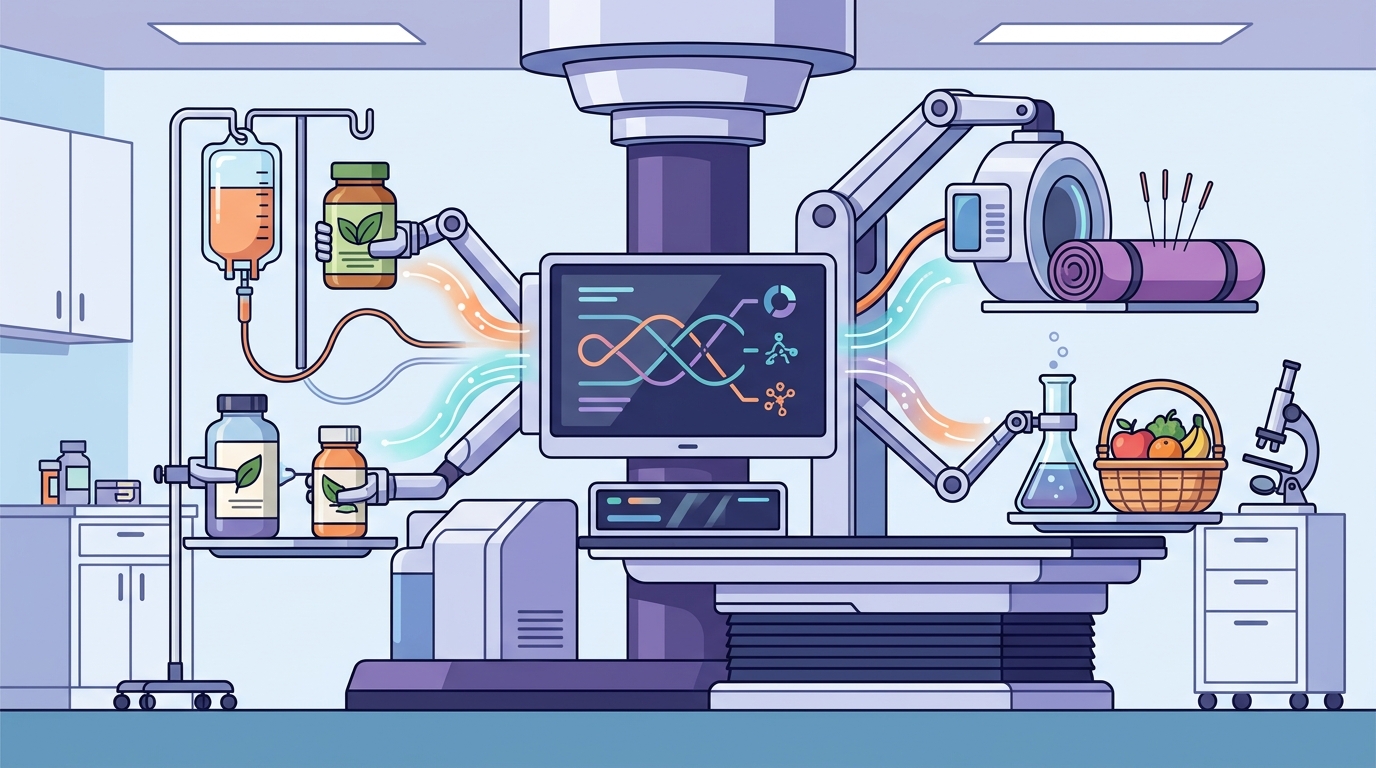
Drug-Interaction Screening Standards
Research indicates that complementary therapies require rigorous pharmacological screening before clinical approval. Certain herbal compounds can alter drug metabolism pathways, potentially reducing chemotherapy effectiveness or increasing toxicity levels. Our clinical pharmacists conduct comprehensive interaction audits for every patient. This process identifies potential conflicts between prescription medications and wellness supplements. You will receive a clear safety clearance document before initiating any new protocol. We maintain strict adherence to established oncology guidelines to protect your treatment integrity. Review our active cancer care protocols to understand our safety verification process.
Real-Time Symptom Monitoring
Concurrent wellness programs require daily symptom logging and weekly clinical check-ins. Providers track fatigue levels, gastrointestinal changes, and immune response markers throughout your treatment cycle. This continuous monitoring allows rapid protocol adjustments when side effects emerge. You will never navigate treatment complications without immediate clinical support. Our digital tracking system flags potential adverse reactions before they impact your primary therapy schedule. This proactive approach minimizes treatment interruptions and preserves your treatment timeline. Contact our clinical coordination team through our contact portal to schedule your initial safety assessment.
Nutritional Support and Metabolic Management
Evidence-Based Dietary Frameworks
Metabolic nutrition is a targeted dietary strategy that optimizes cellular energy production while minimizing treatment-related inflammation. Registered dietitians design meal plans that align with your specific chemotherapy or radiation schedule. These protocols prioritize easily digestible proteins, complex carbohydrates, and targeted micronutrient supplementation. You will receive precise portion guidelines and timing recommendations that match your treatment windows. This structured approach prevents unwanted weight loss and preserves muscle mass during intensive therapy phases. Our clinical nutritionists collaborate directly with your oncology team to adjust macros as your treatment progresses. Explore our nutrition resources for detailed meal planning guides.
Gut Health and Immune Support
Current clinical data shows that gut microbiome balance directly influences treatment tolerance and recovery speed. Dysbiosis frequently occurs during aggressive cancer therapies, leading to increased inflammation and nutrient malabsorption. Our programs incorporate targeted probiotic protocols and prebiotic fiber optimization to restore intestinal integrity. You will receive specific strain recommendations that avoid interference with your primary medications. This gut-focused approach reduces treatment-related gastrointestinal distress and improves overall nutrient uptake. Regular stool analysis and inflammatory marker tracking ensure your digestive system remains resilient throughout therapy.
Mind-Body Interventions and Symptom Reduction
Stress Response Modulation Techniques
Chronic stress significantly elevates cortisol levels, which can suppress immune function and delay tissue repair. Clinical guidelines recommend structured mindfulness practices to regulate the autonomic nervous system during active treatment. Certified instructors guide you through evidence-based breathing exercises, guided imagery, and progressive muscle relaxation techniques. You will learn practical tools to manage treatment-related anxiety and sleep disturbances. These interventions require zero equipment and can be performed safely in clinical waiting areas or at home. Regular practice correlates with reduced nausea episodes and improved treatment adherence. Our wellness specialists integrate these techniques directly into your daily care routine.
Monitoring Treatment Interactions and Biomarkers
Advanced Laboratory Tracking Standards
Comprehensive blood panels track liver function, kidney clearance rates, and inflammatory markers throughout your wellness program. These biomarkers provide objective data on how your body processes both conventional medications and complementary supplements. Laboratory results are reviewed weekly by your clinical director to adjust dosages or modify protocols when necessary. You will receive detailed lab reports with clear clinical interpretations and actionable recommendations. This data-driven approach eliminates guesswork and ensures your wellness program remains perfectly aligned with your treatment phase. Regular monitoring prevents unexpected complications and maintains treatment efficacy.
Comparative Wellness Modality Overview
| Wellness Modality | Primary Clinical Benefit | Integration Complexity | Recommended Monitoring Frequency |
|---|---|---|---|
| Targeted Nutritional Therapy | Preserves lean muscle mass and stabilizes blood glucose | Low | Weekly dietary review |
| Guided Mindfulness Practice | Reduces treatment-related anxiety and improves sleep architecture | Low | Bi-weekly progress assessment |
| Pharmacological Interaction Screening | Prevents adverse drug-supplement conflicts and maintains treatment efficacy | High | Continuous laboratory tracking |
| Gut Microbiome Optimization | Restores digestive function and enhances nutrient absorption rates | Medium | Monthly stool analysis |
Key Takeaways
- Integrative wellness programs require direct oncology team approval before implementation.
- Pharmacological screening prevents dangerous drug-supplement interactions during chemotherapy.
- Metabolic nutrition protocols preserve muscle mass and stabilize treatment-related weight loss.
- Continuous biomarker tracking ensures wellness interventions remain safe throughout your treatment cycle.
- Structured mindfulness practices significantly reduce treatment-related anxiety and improve sleep quality.
- Our clinical team coordinates all wellness activities directly with your primary oncology schedule.
- Patients who follow integrated care protocols report higher treatment tolerance and faster recovery timelines.
Frequently Asked Questions
Can I take dietary supplements while undergoing chemotherapy?
Yes, but only after your clinical pharmacists complete a comprehensive interaction screening. Certain supplements can alter drug metabolism pathways and reduce treatment effectiveness. Our team will approve only evidence-based supplements that align with your specific protocol.
How do wellness programs impact my radiation therapy schedule?
Wellness interventions are carefully timed to avoid interfering with radiation delivery windows. Skin care protocols, nutritional adjustments, and stress management techniques are scheduled around your treatment appointments. This precise timing ensures your primary therapy remains completely uninterrupted.
What happens if I experience side effects from a wellness intervention?
Your clinical director will immediately pause the specific protocol and adjust your care plan. We maintain continuous monitoring to detect adverse reactions before they impact your primary treatment. Rapid protocol modification ensures your safety remains the absolute priority.
Do I need to visit the clinic daily for wellness support?
No, most wellness protocols can be safely implemented at home with remote clinical oversight. You will receive detailed digital tracking tools and weekly virtual check-ins. In-person visits are scheduled only when laboratory results or symptom logs require direct clinical intervention.
How does integrative care affect my overall treatment timeline?
Properly coordinated wellness programs typically shorten recovery periods and reduce treatment-related hospitalizations. Patients report fewer treatment interruptions and improved quality of life throughout their care journey. Our clinical data consistently shows faster tissue repair and stronger immune responses.
Can I combine multiple wellness modalities simultaneously?
Yes, our clinical team designs integrated schedules that safely combine nutritional, psychological, and physical therapies. We carefully sequence each intervention to prevent overlapping side effects or conflicting physiological responses. You will receive a unified daily schedule that optimizes your treatment window.
Next Steps for Your Care Journey
Starting an integrative wellness program during active treatment requires careful clinical coordination and direct oncology approval. Our team specializes in designing safe, evidence-based support protocols that complement your primary cancer therapy. You can begin your personalized care assessment by visiting our get started portal. Our clinical coordinators will review your current treatment schedule, medication list, and wellness goals before approving any new interventions. Contact our office today to schedule your comprehensive intake consultation and secure your place in our active treatment support program.