

What Cancer Patients Should Know About Finding Integrative Oncology Specialists
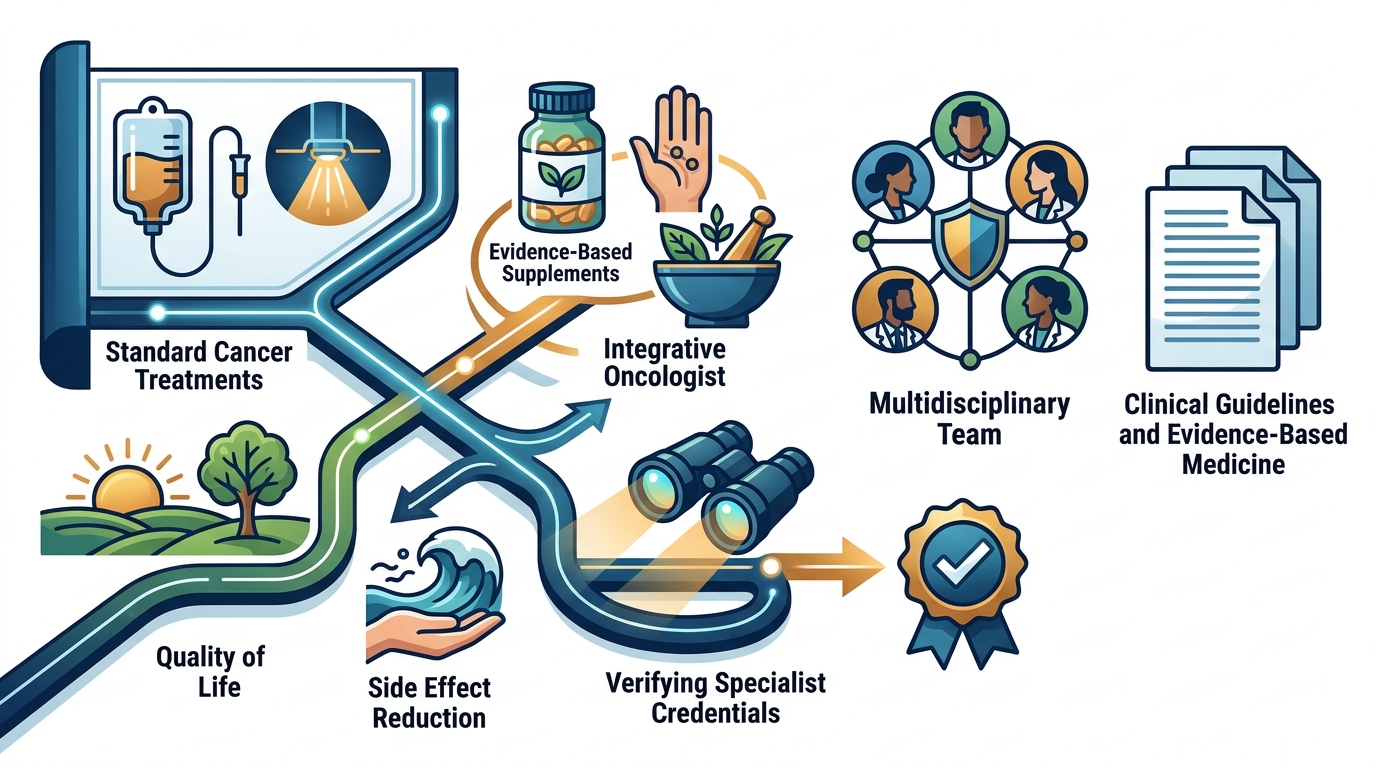
Integrative oncology specialists are medical professionals who combine standard cancer treatments with evidence-based complementary therapies to improve patient outcomes. Patients should verify that a specialist works within a multidisciplinary team and adheres to established clinical guidelines. At Thrive Integrative Cancer Care, our mission is to help adult cancer patients ease treatment side effects through holistic, integrative approaches that respect both conventional medicine and the whole person.
Defining the Role of an Integrative Oncology Specialist
Integrative oncology is an oncology subspecialty that combines conventional medical treatments, including chemotherapy, radiation, and surgery, with complementary therapies. This distinction is critical because the term "integrative" is often misused by unqualified practitioners. A true integrative oncology specialist does not replace standard care but enhances it. They focus on managing symptoms, reducing distress, and supporting the body's resilience during treatment.
The Difference Between Complementary and Alternative
Complementary therapies work alongside conventional treatment, while alternative therapies replace it. Patients must be cautious with providers who suggest abandoning proven medical protocols. The core of integrative oncology is the well-coordinated use of conventional and complementary approaches that work synergistically. This coordination ensures that therapies like acupuncture or mindfulness do not interfere with chemotherapy or immunotherapy.
Verifying Credentials and Clinical Standards
Since there is no universal certification or standard required to use the term "integrative oncologist," training and services vary widely among private clinics. Patients should look for providers who have completed specific training in integrative oncology, such as fellowships or board certifications in complementary medicine. The American Society of Clinical Oncology (ASCO) and the Society for Integrative Oncology issue recommendations for integrative approaches supported by research. Aligning with these guidelines ensures that the care you receive is grounded in current scientific evidence rather than anecdotal claims.
Why Standardization Matters
The Importance of a Multidisciplinary Care Team
Coordinated Care in Practice
At Thrive Integrative Cancer Care, we design programs that foster resilience and self-efficacy. Our approach helps patients navigate the complexities of cancer treatment with confidence. By integrating alternative approaches with conventional treatments, we address the whole person: mind, body, and spirit. This holistic perspective is vital for maintaining quality of life during a challenging period.
Prioritizing Safety and Evidence-Based Practices
The evidence for integrative interventions in cancer care is growing, with research now supporting benefits across the cancer care continuum. However, safety remains the top priority. Some herbal supplements and dietary changes can interact negatively with chemotherapy or radiation. Patients must disclose all integrative therapies to their primary oncology team. This transparency allows for the identification of potential drug-herb interactions and ensures that your integrative plan does not compromise your primary treatment. according to Integrative Therapies in
Red Flags to Watch For
Be wary of providers who guarantee cures or promise to eliminate the need for surgery or chemotherapy. Unscrupulous individuals may promote unproven or even harmful "miracle cures" to vulnerable patients. A reputable integrative oncology specialist will focus on symptom management, quality of life, and support for the conventional treatment plan. They will not make absolute promises about curing cancer through complementary means alone.
Accessing Resources and Finding the Right Fit
Finding the right specialist requires research and open communication. Patients can use databases provided by organizations like ASCO to find oncologists who offer integrative services. It is also helpful to ask potential providers about their specific training and how they coordinate with your primary care team. At Thrive Integrative Cancer Care, we offer a free consultation to help patients understand how our integrative oncology approach can support their specific needs. This initial step allows you to assess the provider's philosophy and ensure it aligns with your goals. according to Why cancer patients
Questions to Ask Your Specialist
When interviewing a potential integrative oncology specialist, ask about their training, their experience with your specific type of cancer, and how they communicate with your primary oncologist. Understanding their approach to side effect management and their stance on evidence-based practice will help you make an informed decision. The right specialist will empower you with knowledge and support, not just a list of therapies.
Key Takeaways
- Integrative oncology specialists combine conventional treatments with evidence-based complementary therapies.
- Verify credentials by looking for specific training and alignment with ASCO or Society for Integrative Oncology guidelines.
- Ensure the specialist works within a multidisciplinary team to coordinate care effectively.
- Disclose all integrative therapies to your primary oncology team to avoid harmful interactions.
- Be cautious of providers who replace standard care or guarantee cures through alternative means.
- Use reputable databases and consultations to find a specialist who aligns with your values and needs.
Frequently Asked Questions
What is the difference between integrative and alternative oncology?
Integrative oncology combines conventional treatments with complementary therapies, while alternative oncology replaces conventional treatments with unproven methods. Integrative care supports the standard of care, whereas alternative care may bypass it.
How can I verify if an integrative oncology specialist is qualified?
Look for providers with specific training in integrative oncology, such as fellowships or board certifications. Check if they follow guidelines from organizations like ASCO or the Society for Integrative Oncology.
Do integrative therapies interfere with chemotherapy?
Some therapies and supplements can interact with chemotherapy. It is essential to disclose all integrative practices to your oncology team to ensure safety and avoid negative interactions.
Where can I find a list of integrative oncology specialists?
You can use databases provided by the American Society of Clinical Oncology (ASCO) or consult with your primary oncologist for referrals to qualified integrative specialists.
Is integrative oncology covered by insurance?
Coverage varies by provider and insurance plan. Some integrative services may be covered, while others may require out-of-pocket payment. It is best to check with your insurance provider and the specialist's office.
How does Thrive Integrative Cancer Care support patients?
Thrive Integrative Cancer Care provides personalized care plans that integrate alternative approaches with conventional treatments. Our team helps patients ease treatment side effects and improve quality of life through holistic, integrative approaches.