

Evidence-Based Criteria for Choosing Integrative Therapies During Chemotherapy
Cancer treatment saved your life, but it often steals your peace. According to the American Society of Clinical Oncology, nearly 70% of cancer patients use complementary therapies to manage side effects, yet only a fraction consult their oncologists first. This gap in communication can lead to dangerous interactions between supplements and chemotherapy drugs. At Thrive Integrative Cancer Care, we help adult cancer patients ease the debilitating side effects of cancer treatments so they can heal with more comfort, strength, and peace of mind. Understanding the evidence-based criteria for selecting safe integrative therapies is not just about comfort. It is about protecting the efficacy of your primary treatment while restoring your quality of life. (Contact Us Get in)
Understanding Integrative Oncology
Integrative oncology is a coordinated approach to cancer care that combines conventional medical treatments with evidence-based complementary therapies. This model does not replace chemotherapy, radiation, or surgery. Instead, it supports the patient through the entire journey. The goal is to optimize physical health, reduce treatment side effects, and help you feel empowered every step of the way. (About Us Thrive Integrative)
At Thrive Integrative Cancer Care, we believe that cancer care should go beyond just treatment. It must address the whole person: mind, body, and spirit. Our team of doctors, nutritionists, life coaches, and functional medicine specialists meet with you via HIPAA-compliant telemedicine visits from the comfort of your home. We provide you with your own individualized cancer healing blueprint and preventative plan. This personalized approach ensures that every therapy you choose is safe for your specific genetic profile and treatment regimen. (Thrive Integrative Cancer Care)
Many patients feel overwhelmed by the sheer volume of information available online. Some sources promote unproven remedies that can interfere with drug metabolism. Our mission is to cut through the noise. We use proven integrative tools to reduce treatment side effects so you can feel better, sleep better, and live better, even during cancer. By focusing on evidence-based criteria, we ensure that your complementary therapies enhance your recovery rather than hinder it. (Thrive Integrative Cancer Care)
Safety First: Interaction Checks
The most critical criterion for choosing any integrative therapy is safety. Chemotherapy drugs are potent and work through specific metabolic pathways in the liver. Certain supplements can alter these pathways, either making the chemotherapy less effective or increasing its toxicity. This is why a second opinion on your current cancer treatments is vital before starting any new protocol.
Antioxidant Timing
One of the most common misconceptions is that high-dose antioxidants are always beneficial during chemotherapy. While antioxidants neutralize free radicals, some chemotherapy agents rely on oxidative stress to kill cancer cells. Taking high-dose antioxidants at the wrong time can theoretically protect cancer cells from the treatment. The evidence-based criterion here is timing. We often recommend antioxidant-rich foods through diet rather than concentrated supplements during active infusion days. This allows you to get nutrients without interfering with the drug's mechanism of action.
Herbal Interactions
Herbal supplements are not inherently safe just because they are natural. For example, St. John's Wort is known to induce liver enzymes that break down many chemotherapy drugs faster than intended. This can lead to sub-therapeutic levels of the drug in your blood, potentially allowing the cancer to progress. Other herbs, like echinacea, may stimulate the immune system in ways that conflict with immunosuppressive therapies. Always review your supplement list with a functional medicine specialist who understands oncology pharmacology.
Dr. Nancy Sharma, our founder, has over 15 years of experience as a medical oncologist and hematologist. She is licensed to practice in all 50 states. Her clinical practice observed that patients who chose to explore balancing lifestyle and nutrition did far better in their treatment outcomes. She firmly believes in the power of integrating traditional therapies with holistic and alternative options that are safe to use with conventional treatments.
Evidence-Based Modalities
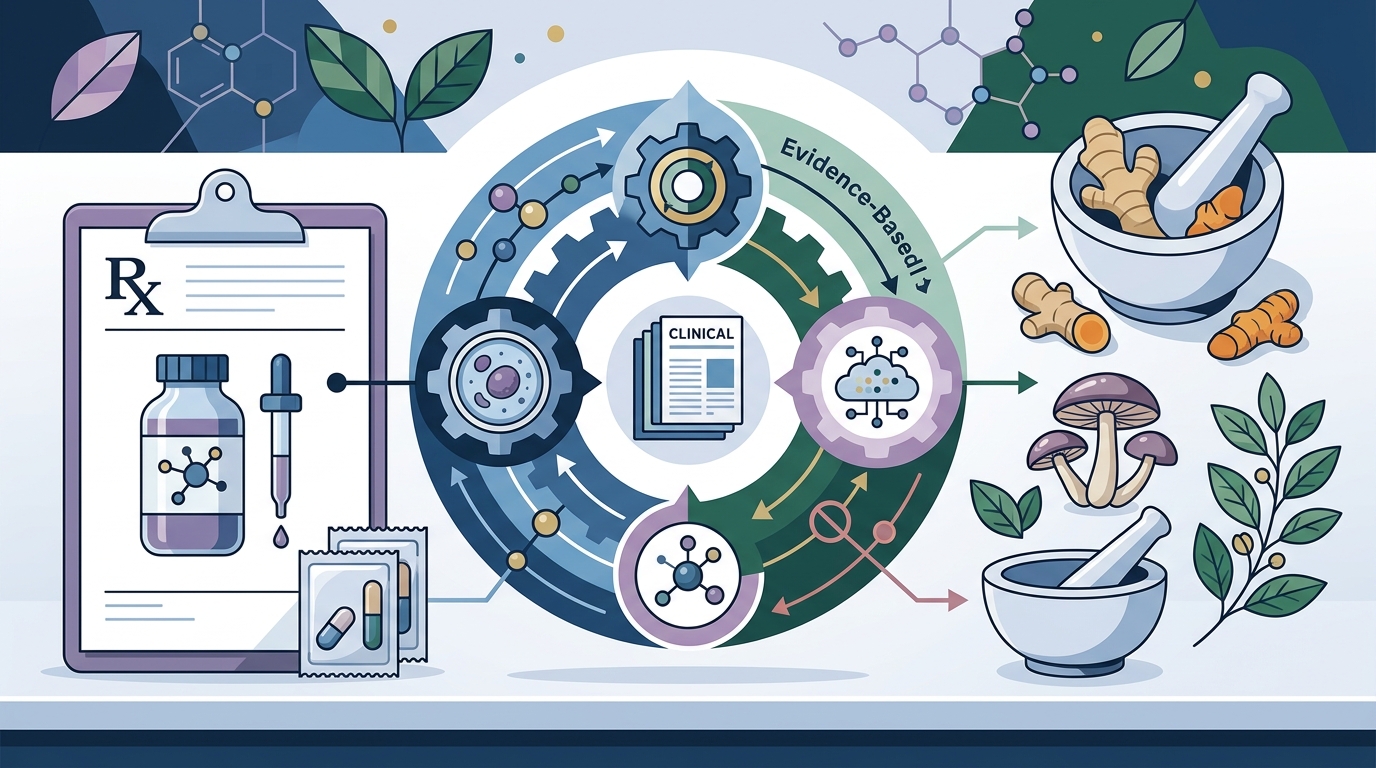
Not all complementary therapies have the same level of scientific support. When choosing an integrative therapy, look for modalities that have been studied in clinical trials specifically for cancer patients. The following criteria help identify high-quality evidence.
Acupuncture for Nausea and Pain
Acupuncture is one of the most well-researched integrative therapies. Studies have consistently shown that acupuncture can reduce chemotherapy-induced nausea and vomiting. It is also effective for managing neuropathy, a common side effect of taxanes and platinum-based drugs. The criterion for success here is practitioner expertise. Ensure your acupuncturist has experience working with cancer patients and knows which points to avoid if you have low platelet counts or lymphedema.
Mind-Body Practices
Mental health is a critical component of physical healing. Mindfulness-based stress reduction (MBSR) and yoga have been shown to improve sleep quality and reduce anxiety in cancer patients. These practices do not interact with drugs, making them inherently safe. However, the criterion for effectiveness is consistency. Regular practice yields better results than occasional sessions. We encourage our members to join our community encouragement groups through Facebook and live webinars to stay focused on their goals.
Exercise Oncology
Physical activity is no longer just recommended for general health. It is now considered a core component of cancer care. Research indicates that moderate exercise can reduce cancer-related fatigue and improve cardiovascular health during treatment. The criterion for choosing an exercise program is individualization. Your plan must account for your current blood counts, bone health, and energy levels. Our team provides guidance on safe movement protocols that adapt to your daily fluctuations.
Nutritional Strategies
Diet plays a pivotal role in how your body tolerates chemotherapy. The evidence-based criterion for nutrition is maintaining muscle mass and immune function without causing gastrointestinal distress. Malnutrition is a significant risk during treatment, leading to treatment delays and poorer outcomes.
Protein Intake
Protein is essential for tissue repair and immune cell production. Cancer patients often have higher protein requirements than the general population. The criterion for quality is bioavailability. Animal proteins and high-quality plant proteins are easier for the body to utilize during times of digestive stress. We help our clients develop dietary optimization plans that fit their taste preferences and nausea triggers.
Gut Health and Microbiome
The gut microbiome influences how effectively your body processes drugs and manages inflammation. A diverse microbiome is associated with better responses to immunotherapy and fewer side effects from chemotherapy. Probiotics and prebiotic fibers are key components of this strategy. However, caution is required. If you are severely immunocompromised, certain probiotic strains may pose an infection risk. We provide individualized cancer screening protocols and immune health optimization plans to address these nuances safely.
Weight Management and GLP-1 Medicines
Weight management is a complex issue in oncology. Some patients experience rapid weight loss, while others gain weight due to steroids or hormonal therapies. Our Cancer Prevention Program includes guidance on GLP-1 medicines for weight management where appropriate. This is part of a broader strategy to mitigate risk factors through lifestyle modification. Maintaining a healthy weight reduces inflammation and improves overall prognosis.
Comparing Care Programs
Choosing the right level of support depends on your current stage in the cancer journey. Whether you are newly diagnosed, actively undergoing treatment, or in survivorship, the criteria for care differ. The table below outlines the key differences between our primary membership programs and non-member services.
| Program Type | Target Audience | Key Services Included | Best For |
|---|---|---|---|
| Cancer Prevention Program | Individuals with genetic predispositions or family histories of cancer. | Comprehensive genetic testing, screening protocols, immune optimization. | Early detection and risk reduction before diagnosis. |
| Cancer Survivorship Program | Patients who have completed active treatment. | Long-term wellness plans, recurrence monitoring, lifestyle coaching. | Transitioning back to daily life and preventing recurrence. |
| Active Cancer Program | Patients currently undergoing chemotherapy or radiation. | Side effect management, nutritional support, second opinions. | Managing acute treatment side effects and maintaining strength. |
| Non-Member Services | Those seeking specific consultations without a full program. | Ala carte consults, second opinions on treatment plans. | Immediate guidance or specific questions about current care. |
Our team works collaboratively to design a care plan tailored to your unique needs and goals. Whether you are newly diagnosed with cancer, undergoing active treatment, or in remission, our team is here to guide you toward healing, resilience, and long-term wellness. We also believe in the power of prevention. If you have a strong family history of cancer or a genetic predisposition, talk to us. We will empower you with the right choices and surveillance protocols specific to your needs.
Key Takeaways
- Consult Before You Supplement: Always review supplements with your oncology team to avoid dangerous drug interactions.
- Evidence is Key: Prioritize therapies like acupuncture and mindfulness that have strong clinical support for cancer patients.
- Timing Matters: The timing of antioxidant intake can significantly impact chemotherapy efficacy.
- Personalized Plans: One size does not fit all. Your genetic profile and treatment type dictate your safe integrative options.
- Holistic Support: Addressing mind, body, and spirit improves overall treatment outcomes and quality of life.
- Telemedicine Access: Our HIPAA-compliant telemedicine visits allow you to receive expert care from home.
- Community Matters: Joining support groups and webinars provides encouragement and shared experiences.
Frequently Asked Questions
Can I take vitamins during chemotherapy?
Some vitamins are safe, while others can interfere with treatment. The criterion for safety is whether the vitamin acts as a high-dose antioxidant during active infusion days. We recommend getting nutrients from food whenever possible and consulting our team before starting any supplement.
How does integrative oncology differ from alternative medicine?
Integrative oncology combines conventional treatments with evidence-based complementary therapies. Alternative medicine replaces conventional treatment. Integrative care supports your primary treatment to reduce side effects and improve outcomes.
Is telemedicine effective for cancer care?
Yes. Our team of doctors, nutritionists, and specialists meet with you via HIPAA-compliant telemedicine visits. This allows for frequent monitoring and adjustments to your care plan without the stress of travel.
What is the Cancer Prevention Program?
This 12-week program is designed to reduce the risk of developing cancer and improve early detection. It includes comprehensive genetic predisposition testing, individualized cancer screening protocols, and immune health optimization.
Can Dr. Sharma provide a second opinion on my current treatment?
Yes. Dr. Sharma provides second opinions on your current cancer treatments. You can book an ala carte 75-minute initial consult followed by follow-up consults at your own pace.
How do I manage chemotherapy-induced nausea?
Acupuncture, ginger supplementation, and dietary adjustments are effective evidence-based strategies. Our Active Cancer Program includes specific protocols for managing nausea and other gastrointestinal side effects.
Is Thrive Integrative Cancer Care covered by insurance?
Thrive Integrative Cancer Care is a cash-based practice and offers fee-for-service programs. We can provide you with a superbill after each appointment which you can submit to your insurance for possible reimbursement.
Schedule Your Consultation
Take control of your healing. We'd like to invite you to schedule an introductory call to discuss your individual needs and how we can support your journey. Whether you need a second opinion, a comprehensive prevention plan, or support during active treatment, our team is ready to help. Book a 30-minute free introductory call today and discover a more balanced, supportive, and personalized approach to cancer care. Together, we can walk this path toward recovery with hope, strength, and compassion.