

Cost-Effectiveness and Long-Term Value of Integrative Cancer Care Programs
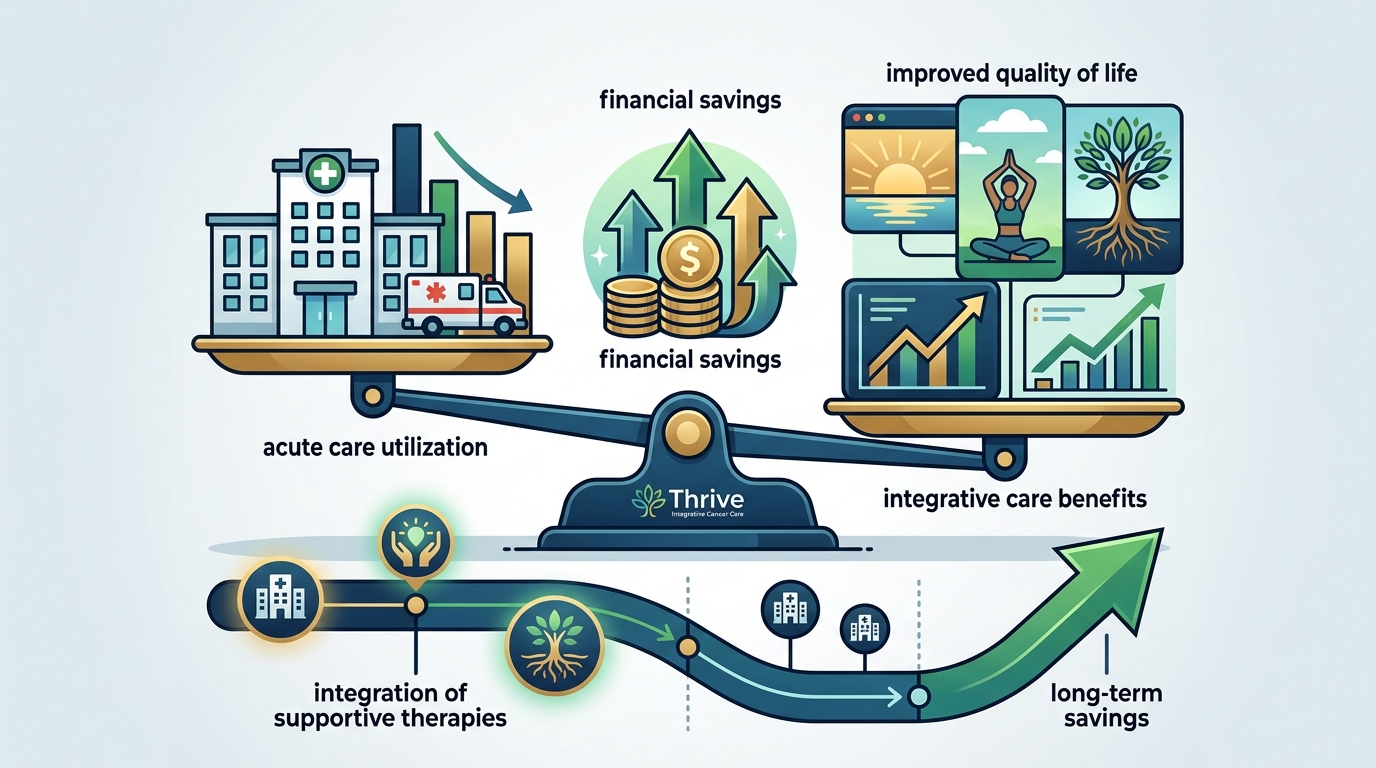
Integrative oncology is a medical specialty that combines conventional cancer treatments with evidence-based complementary therapies to address the whole person. Recent healthcare economic analyses indicate that patients receiving comprehensive supportive care often experience fewer emergency department visits and hospital readmissions. This reduction in acute care utilization translates to significant savings for both patients and insurance providers over time. The focus shifts from merely surviving the disease to thriving through the entire journey with improved quality of life. (Contact Us Get in)
Understanding the Value of Integrative Oncology
Traditional oncology often focuses heavily on the eradication of tumor cells through chemotherapy, radiation, and surgery. While these interventions are life-saving, they frequently leave patients dealing with severe side effects that impact their daily functioning. Integrative oncology addresses this gap by incorporating nutrition, stress management, and targeted supplementation into the treatment plan. This holistic approach ensures that the patient's body is better equipped to handle the toxicity of conventional therapies.
Integrative oncology is a medical specialty that combines conventional cancer treatments with evidence-based complementary therapies to address the whole person. By managing symptoms like fatigue, nausea, and neuropathy more effectively, patients can maintain their strength and continue their treatment schedule without unnecessary interruptions. This continuity is crucial for achieving optimal clinical outcomes.
Dr. Nancy Sharma, a board-certified medical oncologist with over 15 years of experience, emphasizes that balancing lifestyle and nutrition significantly improves treatment outcomes. Her approach at Thrive Integrative Cancer Care is designed to empower patients with personalized healing blueprints. This model recognizes that cancer care must extend beyond the clinic to include the mind, body, and spirit. The goal is to provide a supportive environment where patients feel heard and understood throughout their diagnosis and recovery.
According to the National Cancer Institute, supportive care services can improve the quality of life for cancer patients and may even help them live longer. When patients are physically and emotionally resilient, they are better positioned to respond to treatment. This resilience reduces the burden on the healthcare system by minimizing complications that require intensive medical intervention.
Financial Impact on Treatment Outcomes
The perception that holistic care is an additional financial burden is common among patients and families. However, a deeper analysis reveals that integrative programs often reduce overall healthcare costs by preventing costly complications. When side effects are managed proactively, patients avoid emergency room visits and hospital admissions. These acute care events are among the most expensive components of cancer treatment.
Thrive Integrative Cancer Care operates as a cash-based practice offering fee-for-service programs. This model allows for highly personalized attention without the constraints of insurance coding limitations. Patients receive a superbill after each appointment, which can be submitted to their insurance for possible reimbursement. This flexibility ensures that patients can access the care they need while maintaining financial transparency.
Data from various health economics studies shows that every dollar spent on comprehensive supportive care can save multiple dollars in downstream medical costs. For instance, preventing a single hospitalization for severe dehydration or infection can cover the cost of months of integrative consultations. The long-term value lies in the preservation of the patient's healthspan and functional independence.
Furthermore, the psychological benefit of having a dedicated care navigator cannot be overstated. Knowing that a medical professional is monitoring their progress and adjusting their plan in real-time provides peace of mind. This mental clarity reduces anxiety and stress, which are known to negatively impact immune function and recovery rates. The emotional support provided by the team at Thrive Integrative Cancer Care is a critical component of this value proposition.
Comparing Care Models and Costs
Choosing the right care model depends on individual needs, risk factors, and stage of cancer journey. Below is a comparison of the primary service offerings available through integrative practices like Thrive.
| Service Model | Target Audience | Key Benefits | Cost Structure |
|---|---|---|---|
| Cancer Prevention Program | Individuals with genetic risks or family history | Early detection, genetic testing, lifestyle modification | 12-week membership program |
| Active Cancer Program | Patients currently undergoing treatment | Symptom management, treatment optimization, second opinions | Membership or fee-for-service |
| Cancer Survivorship Program | Post-treatment patients in remission | Relapse prevention, long-term wellness, immune health | Membership or fee-for-service |
| Non-Member Services | Those seeking initial guidance | Second opinions, initial consults, flexible scheduling | Per-visit fee |
The Active Cancer Program is particularly valuable for those seeking a second opinion on their current treatment plan. Dr. Sharma provides expert opinions on the latest advancements in conventional treatments, ensuring that patients are receiving the most effective care available. This service is available both as part of a membership or as a standalone consultation.
For those not ready to commit to a full program, non-member services offer a flexible entry point. Patients can book a 75-minute initial consult followed by 30, 45, or 60-minute follow-ups at their own pace. This tiered approach allows individuals to tailor their spending to their immediate needs while still accessing high-level medical expertise.
The Economics of Prevention and Survivorship
Prevention is widely regarded as the most cost-effective strategy in healthcare. The Cancer Prevention Program at Thrive Integrative Cancer Care is designed for individuals with genetic predispositions or those interested in proactive health measures. This 12-week program includes comprehensive genetic predisposition testing and individualized cancer screening protocols.
By identifying risks early, patients can implement lifestyle modifications and dietary optimizations that mitigate the likelihood of developing cancer. This proactive stance is far less expensive than treating advanced-stage disease. The program also includes guidance on weight management, including the use of GLP-1 medicines, which are increasingly recognized for their role in metabolic health and cancer risk reduction.
Survivorship care is equally critical. After active treatment ends, patients often face a void in medical guidance. The Cancer Survivorship Program fills this gap by providing ongoing support to maintain remission and improve overall well-being. This includes immune health optimization and inflammation prevention strategies. The community aspect of the program, including Facebook groups and live webinars, provides additional encouragement and accountability.
According to the American Cancer Society, survivorship care plans are essential for coordinating long-term follow-up care. Integrative programs like Thrive offer a more dynamic and personalized version of this standard. By addressing the unique needs of each survivor, these programs help prevent recurrence and manage late effects of treatment. This long-term engagement ensures that patients continue to thrive long after their initial diagnosis.
Key Takeaways
- Integrative oncology combines conventional treatments with complementary therapies to improve quality of life and treatment outcomes.
- Proactive symptom management reduces the need for expensive emergency care and hospitalizations.
- Thrive Integrative Cancer Care offers a 12-week Cancer Prevention Program including genetic testing and lifestyle coaching.
- Dr. Nancy Sharma provides board-certified medical oncology services with over 15 years of experience.
- Non-member services allow for flexible, fee-for-service consultations and second opinions.
- Superbills are provided for insurance reimbursement, offering financial flexibility for patients.
- Survivorship programs focus on long-term wellness, immune health, and relapse prevention.
Frequently Asked Questions
Is integrative cancer care covered by insurance?
Thrive Integrative Cancer Care is a cash-based practice. However, we provide superbills after each appointment that you can submit to your insurance provider for possible reimbursement. Coverage varies by plan, so it is advisable to check with your insurer.
What is the difference between the Active Cancer Program and the Survivorship Program?
The Active Cancer Program is designed for patients currently undergoing treatment to manage side effects and optimize their care plan. The Survivorship Program is for those who have completed active treatment and focus on long-term wellness, relapse prevention, and immune health.
Can I get a second opinion without joining a program?
Yes, Dr. Sharma offers second opinions on current cancer treatments as a non-member service. You can book an initial consult and follow-up sessions at your own pace without committing to a membership.
Who is eligible for the Cancer Prevention Program?
This program is ideal for individuals with genetic predispositions, family histories of cancer, or those interested in proactive health measures. It is also suitable for individuals with conditions that elevate cancer risk, such as ductal carcinoma in situ (DCIS).
How does Dr. Sharma's approach differ from traditional oncology?
Dr. Sharma integrates conventional medical oncology with holistic strategies like nutrition, stress management, and targeted supplementation. This whole-person approach addresses the mind, body, and spirit, aiming to improve both treatment outcomes and quality of life.
What services are included in the 12-week prevention program?
The program includes comprehensive genetic testing, individualized screening protocols, immune health optimization, holistic supplements, lifestyle modification guidance, and weight management support. It also offers community encouragement through webinars and groups.
Is telemedicine available for consultations?
Yes, the team of doctors, nutritionists, and specialists meets with patients via HIPAA-compliant telemedicine visits from the comfort of their homes. This ensures accessibility for patients across all 50 states.
Take Control of Your Healing Journey
Investing in integrative cancer care is an investment in your long-term health and well-being. By addressing the root causes of treatment side effects and focusing on holistic healing, you can navigate your cancer journey with greater confidence and resilience. Schedule a 30-minute free introductory call with Dr. Nancy Sharma to discuss your individual needs and explore how Thrive Integrative Cancer Care can support your path to recovery. Visit our Get Started page to begin your personalized healing experience today.