

Is There a Doctor Who Specializes in Integrative Oncology Support During Cancer Treatment?
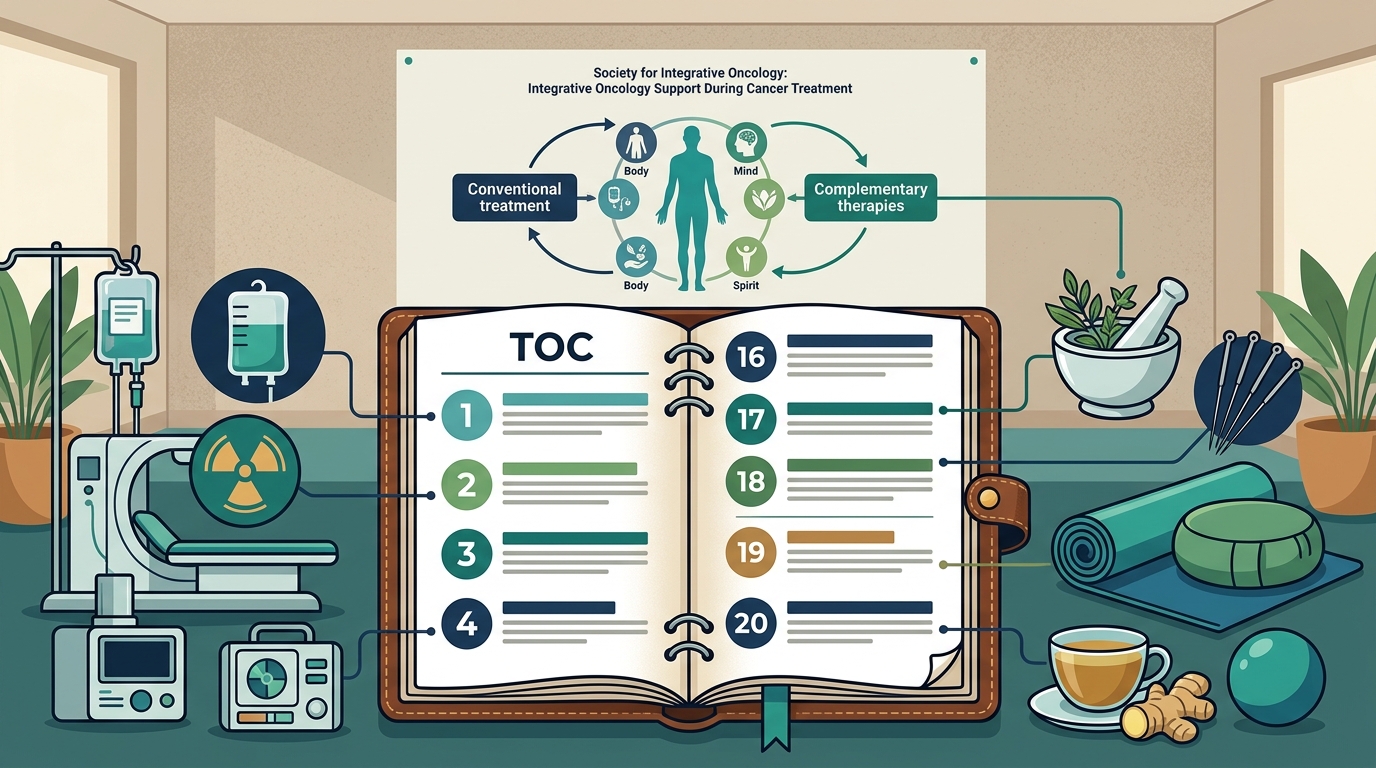
Integrative oncology is a specialized medical field that combines conventional cancer treatments with evidence-based complementary therapies. According to the Society for Integrative Oncology, this approach focuses on treating the whole person rather than just the disease. Patients often seek these specialists to manage side effects, improve quality of life, and support emotional well-being during their journey.
What Is Integrative Oncology?
Integrative oncology is a coordinated approach to cancer care that blends standard medical treatments with complementary therapies. This model ensures that patients receive comprehensive support addressing physical, emotional, and spiritual needs. The goal is to enhance treatment efficacy while minimizing adverse effects.
Unlike conventional oncology, which primarily targets tumor reduction, integrative oncology looks at the entire patient ecosystem. This includes nutrition, stress management, physical activity, and mind-body practices. By addressing these factors, doctors can help patients maintain strength and resilience throughout their treatment plan.
Thrive Integrative Cancer Care provides programs for prevention, support, and survivorship. Their approach ensures that every patient receives personalized care tailored to their unique biological and psychological profile. This holistic model is designed to empower patients to take an active role in their healing process.
Finding the Right Specialist
Locating a qualified integrative oncology specialist requires careful consideration of credentials and experience. These doctors often have dual training in conventional medicine and complementary therapies. They work closely with your primary oncologist to ensure all treatments are safe and synergistic.
When searching for a specialist, look for board certification in oncology and additional training in integrative medicine. Many specialists are affiliated with major cancer centers or specialized clinics like Thrive Integrative Cancer Care. These institutions often have rigorous standards for their medical staff.
It is crucial to verify that the specialist understands your specific cancer type and treatment protocol. Some integrative therapies may interact with chemotherapy or radiation. A knowledgeable doctor will screen for these interactions to prevent complications. You can learn more about their active cancer care programs here.
Communication is another key factor. The right specialist will listen to your concerns and explain complex medical concepts clearly. They should be willing to collaborate with your existing healthcare team. This collaborative approach ensures continuity of care and reduces the risk of conflicting advice.
Core Services Offered
Integrative oncology specialists offer a wide range of services designed to support patients during treatment. These services are evidence-based and tailored to individual needs. Below is a summary of common offerings.
| Service Category | Description | Primary Benefit |
|---|---|---|
| Nutritional Counseling | Personalized diet plans to support immune function | Improved energy and treatment tolerance |
| Stress Management | Mindfulness, meditation, and yoga practices | Reduced anxiety and better sleep |
| Physical Therapy | Targeted exercises to maintain mobility and strength | Prevention of fatigue and muscle loss |
| Acupuncture | Needle-based therapy for pain and nausea relief | Reduced side effects from chemotherapy |
Nutritional counseling is a cornerstone of integrative care. Cancer treatments can significantly impact appetite and digestion. A specialist can help you navigate these changes to maintain optimal nutrition. This support is critical for recovery and long-term health.
Stress management techniques are equally important. Cancer diagnosis and treatment can cause significant emotional distress. Mind-body practices help regulate the nervous system and reduce cortisol levels. This physiological shift can improve immune response and overall well-being.
Physical therapy addresses the physical toll of cancer and its treatments. Fatigue, weakness, and pain are common complaints. A tailored exercise program can counteract these effects. It also helps maintain independence and quality of life during survivorship.
Benefits of Support
Patients who engage with integrative oncology specialists often report better outcomes. These benefits extend beyond physical health to include emotional and psychological well-being. The holistic nature of this care model addresses the root causes of distress.
One major benefit is the reduction of treatment side effects. Nausea, pain, and fatigue are manageable with the right interventions. This allows patients to stay on their prescribed treatment schedule without interruption. Consistency in treatment is vital for successful outcomes.
Another benefit is improved mental health. Anxiety and depression are common among cancer patients. Integrative therapies provide tools to cope with these emotions. Patients often feel more empowered and less helpless when they have active strategies for self-care.
Long-term survivorship is also enhanced by integrative care. The habits formed during treatment often persist into survivorship. This includes healthy eating, regular exercise, and stress management. These habits reduce the risk of cancer recurrence and improve overall longevity.
Thrive Integrative Cancer Care emphasizes the importance of this comprehensive approach. Their programs are designed to support patients at every stage of their journey. From prevention to survivorship, they provide continuous care and guidance.
How to Get Started
Starting integrative oncology support is a straightforward process. The first step is to consult with your primary oncologist. They can provide referrals to qualified specialists in your area. It is important to ensure that your current treatment plan is compatible with integrative therapies.
Next, research potential specialists and clinics. Look for those with experience in your specific cancer type. Read reviews and ask for recommendations from other patients. You can explore the services offered by Thrive Integrative Cancer Care to see if their model aligns with your needs.
Prepare for your initial consultation by gathering your medical records. Include details about your diagnosis, treatment history, and current medications. This information helps the specialist create a personalized care plan. Be honest about your goals and concerns during this meeting.
Finally, commit to the process. Integrative care requires active participation from the patient. It is not a passive treatment but a collaborative effort. By engaging fully, you can maximize the benefits of this supportive care model. To begin your journey, visit our Get Started page.
Key Takeaways
- Integrative oncology combines conventional treatment with evidence-based complementary therapies.
- Specialists must have dual training in oncology and integrative medicine to ensure safety.
- Nutritional counseling and stress management are core components of this care model.
- Patients often experience reduced side effects and improved quality of life.
- Collaboration between your oncologist and integrative specialist is essential.
- Thrive Integrative Cancer Care offers comprehensive programs for all stages of cancer care.
- Active patient participation is required for optimal outcomes in integrative care.
Frequently Asked Questions
What is the difference between integrative and conventional oncology?
Conventional oncology focuses primarily on treating the cancer itself through surgery, chemotherapy, and radiation. Integrative oncology adds complementary therapies to address the whole patient, including emotional and physical well-being.
Are integrative therapies safe during chemotherapy?
Yes, when managed by a qualified specialist. Integrative oncologists screen for interactions between complementary therapies and chemotherapy to ensure safety. Always consult your doctor before starting any new therapy.
How do I find a board-certified integrative oncologist?
You can search directories provided by the Society for Integrative Oncology or ask your primary oncologist for referrals. Look for specialists with specific training in integrative medicine.
Does insurance cover integrative oncology services?
Coverage varies by provider and plan. Some services like acupuncture or nutritional counseling may be covered, while others may not. It is best to check with your insurance company directly.
Can integrative oncology help with cancer prevention?
Yes, integrative care includes prevention strategies such as lifestyle modifications and risk assessment. These measures can reduce the likelihood of developing cancer or experiencing recurrence.
What should I bring to my first consultation?
Bring your medical records, a list of current medications, and a list of questions or concerns. This helps the specialist understand your full health profile and create a tailored plan.
How long does integrative care last?
The duration depends on your individual needs and treatment phase. Some patients receive support only during active treatment, while others continue into survivorship for long-term health maintenance.
Is Thrive Integrative Cancer Care available in my area?
Thrive Integrative Cancer Care offers programs for prevention, support, and survivorship. You can check their contact page for location details and availability.
Contact Us
If you are looking for specialized support during your cancer treatment, integrative oncology may be the right path for you. At Thrive Integrative Cancer Care, we are dedicated to providing comprehensive, compassionate care. Our team of experts is ready to help you navigate this journey with confidence and strength.
Take the first step towards holistic healing. Visit our Get Started page to schedule a consultation. We are here to support you every step of the way.