

Understanding how to reduce your risk of cancer coming back after treatment is critical for long-term survivorship. Recent data indicates that up to 40% of cancers are preventable, and proactive management significantly impacts recurrence rates. According to the American Cancer Society, lifestyle modifications and adherence to follow-up care plans are the most effective tools for maintaining remission. This guide outlines actionable steps to protect your health and regain control over your recovery journey.
Nutrition and Dietary Patterns
What you eat plays a pivotal role in your body's ability to repair itself and fight off residual disease cells. A plant-forward diet rich in antioxidants, fiber, and phytonutrients supports immune function and reduces inflammation. Anti-inflammatory eating is not just a trend; it is a medical necessity for cancer survivors.
Key Dietary Components
Focusing on whole foods rather than processed items helps stabilize blood sugar levels and insulin resistance, both of which are linked to cancer growth. The American Institute for Cancer Research recommends a diet that is at least two-thirds plant-based. This includes vegetables, fruits, whole grains, and legumes. These foods provide the essential vitamins and minerals needed for cellular repair.
Avoiding excessive alcohol consumption is equally important. Alcohol is a known carcinogen that can increase the risk of recurrence in certain cancer types. According to the World Health Organization, there is no safe level of alcohol consumption regarding cancer risk. Limiting intake to zero or very minimal amounts is the safest approach for survivors.
Hydration is often overlooked but is critical for detoxification processes. Drinking adequate water helps the kidneys filter waste products from the body. This reduces the burden on your organs and supports overall metabolic health. For personalized nutritional guidance, consult with a registered dietitian who specializes in oncology. They can create a plan tailored to your specific cancer type and treatment history.
Physical Activity and Movement
Movement is medicine for cancer survivors. Regular physical activity has been shown to reduce the risk of recurrence in breast, colon, and prostate cancers. The mechanism involves lowering insulin levels, reducing inflammation, and improving immune surveillance. Consistent exercise is one of the most powerful non-pharmaceutical interventions available.
Recommended Activity Levels
The American College of Sports Medicine recommends at least 150 minutes of moderate-intensity aerobic activity per week. This can be broken down into 30-minute sessions, five days a week. Moderate intensity means you can talk but not sing during the activity. Examples include brisk walking, swimming, or cycling.
Strength training is also crucial. Building muscle mass helps combat cancer-related fatigue and improves bone density, which can be compromised by certain treatments. Aim for two days of strength training per week. Focus on major muscle groups using resistance bands, weights, or bodyweight exercises.
Flexibility and balance exercises should not be neglected. Yoga and tai chi are excellent options for survivors. These practices reduce stress, improve sleep quality, and enhance overall well-being. According to the National Cancer Institute, exercise can reduce cancer-related fatigue by up to 50% in many patients. This improvement in energy levels allows for greater engagement in daily life and social activities.
Monitoring and Follow-Up Care
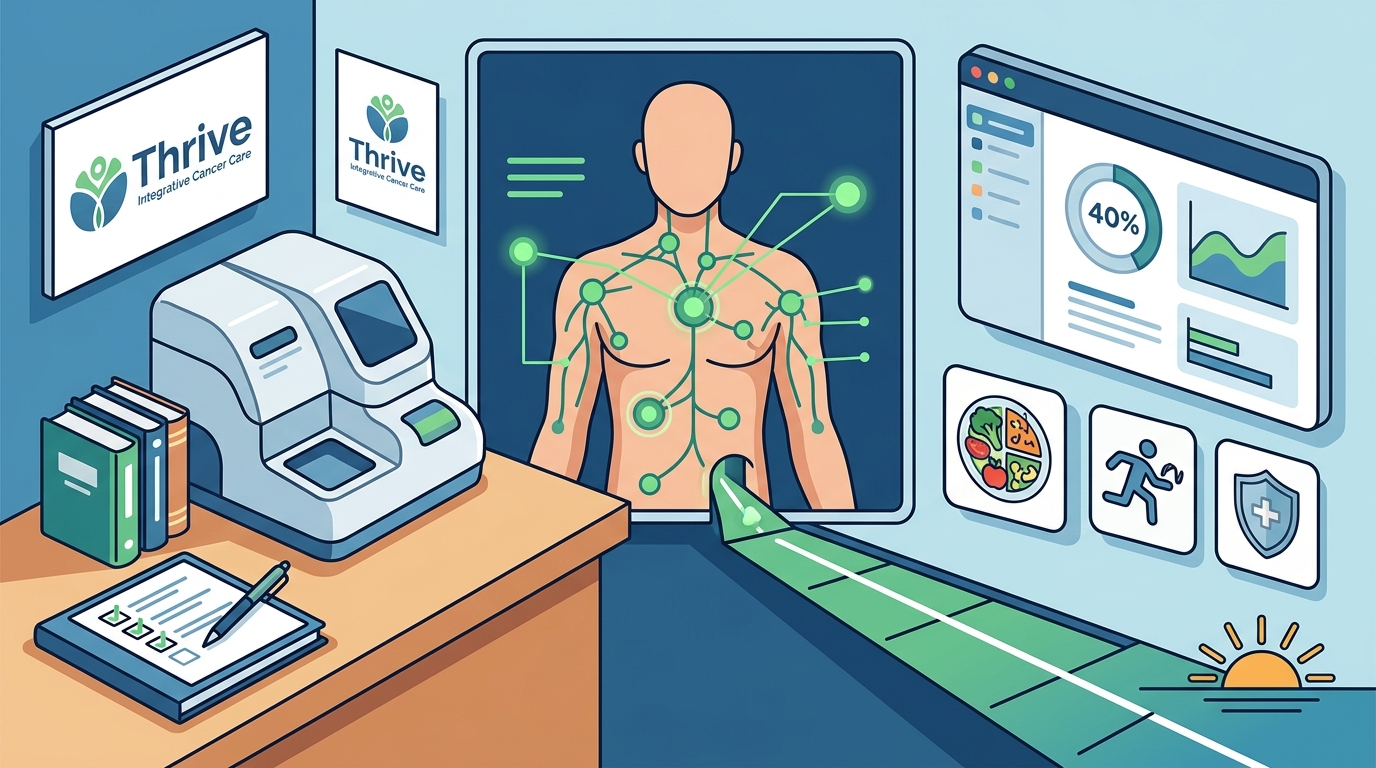
Regular follow-up care is the cornerstone of preventing cancer recurrence. Early detection of any changes allows for timely intervention and better outcomes. Your care team will develop a schedule based on your specific diagnosis and treatment history. Adherence to follow-up schedules is critical for long-term survival.
What to Expect in Follow-Up Visits
During these visits, your doctor will perform physical exams and order necessary tests. These may include blood work, imaging scans, or biopsies. The goal is to monitor for any signs of the cancer returning or for late effects of treatment. According to the American Society of Clinical Oncology, structured follow-up care improves quality of life and provides peace of mind for survivors.
It is important to report any new or persistent symptoms immediately. Do not wait for your next scheduled appointment if you experience unusual pain, bleeding, or changes in bodily functions. Your care team is there to support you through these challenges. For more information on survivorship care plans, visit our Programs page.
Mental Health and Stress Management
The emotional impact of a cancer diagnosis does not end with treatment. Anxiety, depression, and fear of recurrence are common among survivors. Managing mental health is just as important as physical health. Chronic stress can weaken the immune system and negatively impact recovery. Psychological resilience is a key factor in survivorship.
Strategies for Emotional Well-Being
Mindfulness and meditation practices can help reduce stress and improve mood. These techniques encourage you to stay present and manage anxious thoughts. Studies show that mindfulness-based stress reduction can improve quality of life in cancer survivors. Joining a support group can also provide a sense of community and understanding. Sharing experiences with others who have gone through similar journeys can be incredibly validating.
Professional counseling or therapy can provide tools for coping with fear and anxiety. Cognitive behavioral therapy (CBT) is particularly effective for managing cancer-related distress. It helps patients identify and change negative thought patterns. For resources on mental health support, check out our Blog for articles on survivorship wellness.
Comparative Analysis of Support Programs
Choosing the right support program can significantly impact your recovery journey. Different programs offer varying levels of intensity and focus. Below is a comparison of common support options available to survivors.
| Program Type | Focus Area | Benefit | Best For |
|---|---|---|---|
| Integrative Care | Holistic Wellness | Combines conventional and complementary therapies | Survivors seeking comprehensive support |
| Support Groups | Emotional Connection | Reduces isolation and shares coping strategies | Those needing peer validation |
| Nutritional Counseling | Dietary Planning | Personalized meal plans for recovery | Individuals with specific dietary needs |
| Exercise Therapy | Physical Rehabilitation | Improves strength and reduces fatigue | Those recovering from treatment side effects |
At Thrive Integrative Cancer Care, we offer specialized programs designed to address these needs. Our Active Cancer Care program provides tailored support for those currently undergoing treatment or recently completed. We also offer Prevention and Survivorship programs for long-term health maintenance.
Key Takeaways
- Nutrition: Adopt a plant-forward, anti-inflammatory diet to support immune function and reduce recurrence risk.
- Exercise: Aim for 150 minutes of moderate aerobic activity and two days of strength training weekly.
- Monitoring: Adhere strictly to follow-up care schedules for early detection of any changes.
- Mental Health: Utilize mindfulness, therapy, and support groups to manage stress and anxiety.
- Avoidance: Limit alcohol consumption and avoid tobacco products to minimize carcinogen exposure.
- Community: Engage with survivorship programs for ongoing education and emotional support.
- Personalization: Work with healthcare providers to create a unique survivorship care plan.
Frequently Asked Questions
How often should I see my doctor after cancer treatment?
Follow-up schedules vary by cancer type and stage. Typically, visits are every three to six months for the first few years, then annually. Your oncologist will determine the optimal schedule for your specific case.
Can diet really prevent cancer recurrence?
Yes, diet plays a significant role. A healthy diet reduces inflammation and supports the immune system. While it does not guarantee prevention, it significantly lowers risk factors associated with recurrence.
What is the best type of exercise for cancer survivors?
A combination of aerobic exercise and strength training is ideal. Start slowly and gradually increase intensity. Consult with a physical therapist or exercise specialist familiar with oncology.
How can I manage fear of recurrence?
Mindfulness practices, therapy, and support groups are effective tools. Acknowledging your feelings and seeking professional help can provide coping strategies and reduce anxiety.
Are there specific supplements I should take?
Always consult your oncologist before taking supplements. Some can interfere with treatment or have unintended side effects. Whole foods are generally the best source of nutrients.
What is integrative cancer care?
Integrative cancer care combines conventional medical treatments with evidence-based complementary therapies. It focuses on treating the whole person, including physical, emotional, and spiritual well-being.
Where can I find support groups?
Support groups are available through hospitals, cancer centers, and online platforms. Thrive Integrative Cancer Care offers various support programs tailored to survivor needs.
Take Control of Your Survivorship Journey
Reducing the risk of cancer recurrence is a proactive process that involves lifestyle changes, medical monitoring, and emotional support. By implementing these evidence-based strategies, you can improve your quality of life and enhance your long-term health. At Thrive Integrative Cancer Care, we are dedicated to supporting you every step of the way. Contact us today to learn more about our Get Started programs and begin your path to lasting wellness.