

Is There a Doctor Who Specializes in Integrative Oncology Support During Cancer Treatment?
Integrative oncology is a specialized field that combines conventional cancer treatments with evidence-based complementary therapies. According to the Society for Integrative Oncology, this approach focuses on treating the whole person rather than just the disease. This holistic model aims to reduce side effects, improve quality of life, and support long-term survivorship. Patients seeking this care often look for providers who bridge the gap between traditional medicine and wellness practices.
What Is Integrative Oncology?
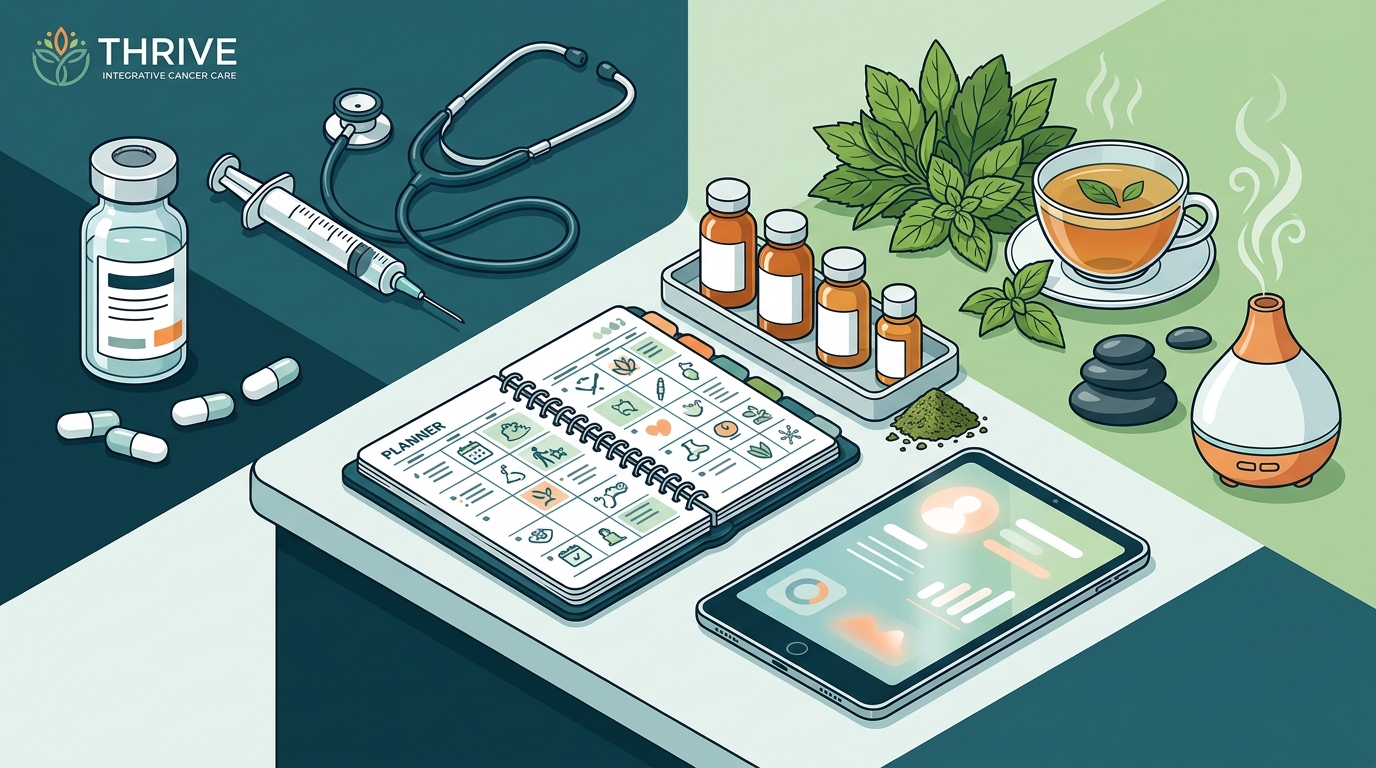
Integrative oncology is a medical discipline that coordinates standard cancer therapies, such as chemotherapy and radiation, with complementary practices like nutrition, mindfulness, and acupuncture. The goal is to manage symptoms and improve patient outcomes without interfering with primary treatments. This field requires a deep understanding of both oncology and holistic health principles.
Unlike traditional oncology, which primarily targets tumor reduction, integrative oncology addresses the physical, emotional, and spiritual well-being of the patient. Providers in this space often work in multidisciplinary teams to ensure that every aspect of the patient's health is considered. This collaborative approach helps in creating a personalized care plan that adapts to the changing needs of the patient throughout their journey.
For those navigating a cancer diagnosis, having a dedicated specialist who understands these nuances can be transformative. At Thrive Integrative Cancer Care, the focus is on providing comprehensive support that empowers patients to take an active role in their healing process. This involves not just treating the illness but also strengthening the body's natural resilience.
Finding the Right Integrative Oncologist
Identifying a qualified integrative oncologist involves looking for specific credentials and experience. Many board-certified oncologists undergo additional training in integrative medicine to better serve patients with complex needs. These specialists are trained to evaluate the safety and efficacy of complementary therapies alongside conventional treatments.
When searching for a provider, it is essential to verify their background in both fields. A qualified doctor should be able to explain how different therapies interact with standard medications. They must also be willing to collaborate with your primary oncologist to ensure a unified care strategy. This coordination is critical to avoid any adverse interactions or conflicting treatment plans.
Thrive Integrative Cancer Care offers programs designed for prevention, support, and survivorship. These programs are structured to meet patients where they are in their journey, whether they are newly diagnosed or in long-term recovery. The team at Thrive prioritizes personalized attention, ensuring that each patient receives a care plan tailored to their unique biological and emotional needs.
Core Services and Support Programs
Integrative oncology services typically include a wide range of therapeutic options. These may encompass nutritional counseling, mind-body practices, and physical therapies. Each service is selected based on scientific evidence and its potential to enhance the patient's quality of life.
Nutritional Therapy
Nutrition plays a pivotal role in cancer care. Proper dietary support can help maintain strength, manage weight loss, and boost the immune system. Integrative oncologists often work with dietitians to create meal plans that support treatment efficacy. This approach helps patients maintain their energy levels and cope with the metabolic demands of cancer therapy.
Mind-Body Practices
Stress and anxiety are common companions of a cancer diagnosis. Mind-body practices such as meditation, yoga, and breathing exercises can significantly reduce these psychological burdens. Research indicates that these practices can lower cortisol levels and improve sleep quality. By addressing mental health, patients are better equipped to handle the physical challenges of treatment.
Active Cancer Care Support
For patients currently undergoing treatment, active cancer care support is vital. This phase requires immediate and responsive care to manage acute side effects. Integrative specialists help mitigate issues like nausea, fatigue, and neuropathy through non-pharmacological interventions. This proactive management allows patients to stay on their treatment schedule with fewer interruptions.
Benefits During Active Treatment
The integration of complementary therapies during active cancer treatment offers numerous benefits. Patients often report improved energy levels, better appetite, and reduced pain. These improvements contribute to a higher overall quality of life during a challenging time.
Furthermore, integrative care can enhance the effectiveness of conventional treatments. By optimizing the patient's physical condition, the body is better prepared to tolerate aggressive therapies. This resilience can lead to fewer dose reductions or delays in treatment, which is crucial for optimal oncological outcomes.
Thrive Integrative Cancer Care emphasizes the importance of getting started on a path of holistic healing. Early intervention in integrative care can set the tone for the entire treatment journey. Patients who engage with these services early often experience a smoother transition through their care phases.
Comparison of Care Models
Understanding the differences between traditional and integrative oncology helps patients make informed decisions. The table below outlines the key distinctions between these two approaches.
| Feature | Traditional Oncology | Integrative Oncology |
|---|---|---|
| Primary Focus | Tumor reduction and disease eradication | Whole-person health and symptom management |
| Therapies Used | Chemotherapy, radiation, surgery | Conventional treatments plus nutrition, mindfulness, and acupuncture |
| Patient Role | Passive recipient of care | Active participant in healing |
| Side Effect Management | Pharmacological interventions | Multimodal approach including lifestyle changes |
| Goal | Cure or control of cancer | Quality of life and survivorship |
While traditional oncology remains the cornerstone of cancer treatment, integrative oncology adds a layer of support that addresses the gaps in standard care. This combination ensures that patients are not just surviving their diagnosis but thriving throughout the process.
Key Takeaways
- Integrative oncology combines conventional treatments with evidence-based complementary therapies.
- Specialists in this field are trained to manage both the disease and the patient's overall well-being.
- Nutritional and mind-body therapies are core components of integrative care programs.
- Active cancer care support helps mitigate side effects during treatment.
- Thrive Integrative Cancer Care offers specialized programs for prevention and survivorship.
- Collaboration between integrative specialists and primary oncologists is essential for safety.
- Early engagement in integrative care can improve treatment tolerance and quality of life.
Frequently Asked Questions
What is the difference between an oncologist and an integrative oncologist?
An oncologist specializes in diagnosing and treating cancer using standard medical procedures. An integrative oncologist has additional training in complementary therapies and focuses on the whole patient, including emotional and physical support.
Can integrative therapies replace conventional cancer treatment?
No. Integrative therapies are designed to complement, not replace, conventional treatments like chemotherapy and radiation. They work together to improve outcomes and manage side effects.
How do I find a qualified integrative oncologist?
Look for board-certified oncologists who have completed additional training in integrative medicine. You can also seek out specialized centers like Thrive Integrative Cancer Care that offer comprehensive programs.
Is integrative oncology covered by insurance?
Coverage varies by provider and plan. Some complementary therapies may be covered, while others might require out-of-pocket payment. It is best to check with your insurance company directly.
What types of complementary therapies are commonly used?
Common therapies include acupuncture, massage therapy, nutritional counseling, yoga, and meditation. These are selected based on scientific evidence and patient needs.
When should I start integrative care?
Integrative care can begin at any stage of the cancer journey. Starting early can help build resilience and manage symptoms from the outset.
How does nutrition impact cancer treatment?
Proper nutrition supports the immune system, maintains muscle mass, and helps manage treatment side effects. It is a critical component of the care plan.
Start Your Journey to Holistic Healing
Finding the right support during cancer treatment is crucial for your well-being. Integrative oncology offers a path to comprehensive care that addresses both the disease and the person. If you are looking for a doctor who specializes in this field, consider exploring the programs at Thrive Integrative Cancer Care. Take the first step toward a more supported and empowered healing journey today.