

Integrative medicine is a coordinated approach to healthcare that combines conventional medical treatments with evidence-based complementary therapies to address the whole person. According to the National Cancer Institute, approximately 70% of cancer patients use some form of complementary therapy during their treatment journey. This statistic highlights a critical shift in oncology care. Patients are no longer satisfied with treating only the disease. They demand support for their mental, emotional, and physical well-being. This guide explores how to find and implement holistic support systems that complement your medical care effectively.
Understanding Integrative Cancer Care
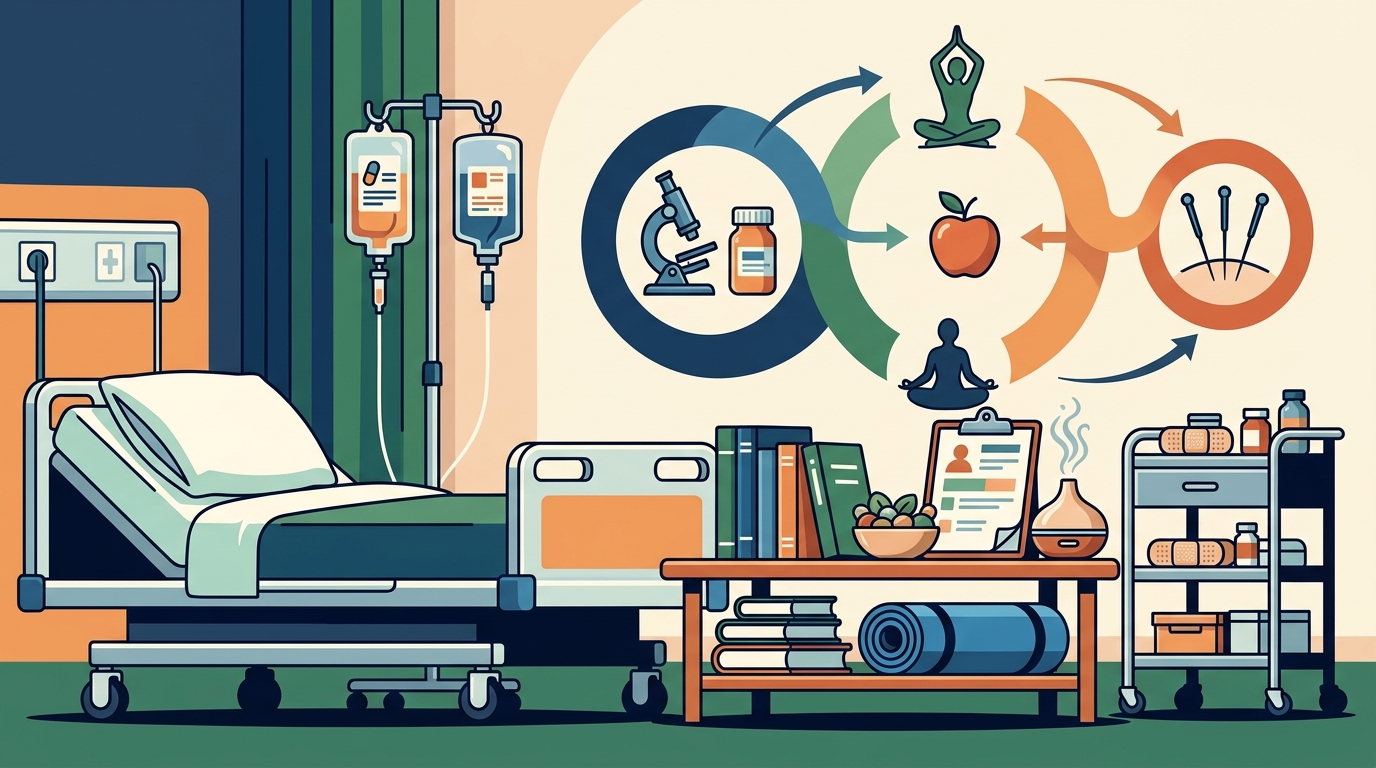
Integrative cancer care is not an alternative to conventional medicine. It is a synergistic model that enhances standard treatments like chemotherapy, radiation, and surgery. The goal is to reduce side effects, improve quality of life, and support the body's natural healing processes. This approach requires strict coordination between oncologists and holistic practitioners to ensure safety and efficacy.
Many patients mistakenly believe that holistic care means rejecting medical science. This is a dangerous misconception. True integrative care respects the power of modern oncology while adding layers of support that conventional medicine often overlooks. For example, acupuncture can significantly reduce chemotherapy-induced nausea. Mindfulness practices can lower cortisol levels and improve immune function. These are not just comfort measures. They are physiological interventions that support treatment outcomes.
At Thrive Integrative Cancer Care, we emphasize that prevention and support are just as critical as active treatment. Our philosophy is built on the understanding that a patient's environment, mindset, and nutritional status directly influence their resilience during therapy. By addressing these root factors, we help patients navigate the complexities of their diagnosis with greater strength and clarity.
Finding the Right Integrative Team
Finding the right support team is the first step in your holistic journey. You need providers who speak the same language as your oncologist. This ensures that your supplements, therapies, and lifestyle changes do not interfere with your medical treatment. Look for practitioners who are board-certified and have specific training in oncology integrative medicine.
Communication is the cornerstone of safe integrative care. Your primary oncologist must know every supplement you take and every therapy you undergo. Some herbs can interact with chemotherapy drugs, reducing their effectiveness or increasing toxicity. Therefore, transparency is non-negotiable. Start by asking your oncologist for referrals to integrative specialists they trust. If they do not have a network, seek out accredited institutions that specialize in this field.
Consider visiting our Programs page to explore how structured support can be integrated into your daily routine. We offer pathways for patients who are currently undergoing treatment as well as those in survivorship. The key is to find a provider who listens to your specific needs rather than offering a one-size-fits-all solution.
Evidence-Based Holistic Therapies
Not all holistic therapies are created equal. Some have robust scientific backing, while others lack sufficient data. It is crucial to focus on evidence-based practices that have been proven safe and effective for cancer patients. Here are some of the most widely supported modalities.
Acupuncture and Acupressure
Acupuncture is one of the most researched complementary therapies in oncology. Studies published in the Journal of Clinical Oncology have shown that acupuncture can effectively manage cancer-related pain, neuropathy, and fatigue. By stimulating specific points on the body, acupuncture helps regulate the nervous system and release endorphins. This natural pain relief can reduce the reliance on opioid medications, which often come with severe side effects like constipation and sedation.
Mindfulness and Meditation
Mindfulness-based stress reduction (MBSR) has been shown to improve the mental health of cancer patients. Research indicates that regular meditation practice can lower anxiety and depression scores significantly. It helps patients stay present, reducing the fear of the future that often accompanies a cancer diagnosis. This mental clarity allows patients to engage more fully in their treatment and recovery processes.
Yoga and Tai Chi
Gentle movement practices like yoga and tai chi improve physical strength and balance without overtaxing the body. These practices are particularly beneficial for patients experiencing cancer-related fatigue. According to the American Cancer Society, regular physical activity can improve treatment tolerance and reduce the risk of cancer recurrence. Modified yoga classes designed for cancer patients ensure safety while providing profound physical and emotional benefits.
Nutrition and Lifestyle Modifications
Nutrition plays a pivotal role in how your body handles cancer treatment. A well-planned diet can help maintain muscle mass, support immune function, and manage treatment side effects. However, nutritional needs vary widely depending on the type of cancer and the treatments being used.
Anti-inflammatory diets are often recommended for cancer patients. These diets focus on whole foods, healthy fats, and antioxidants. They aim to reduce systemic inflammation, which can exacerbate cancer progression and treatment side effects. Incorporating foods rich in omega-3 fatty acids, such as salmon and flaxseeds, can help combat inflammation. Cruciferous vegetables like broccoli and kale contain compounds that may support detoxification pathways.
Hydration is equally critical. Treatment can dehydrate the body, leading to fatigue and kidney stress. Drinking adequate water helps flush toxins from the body and supports cellular function. Our blog offers detailed articles on specific dietary strategies for different stages of cancer care. We encourage patients to work with a registered dietitian who specializes in oncology to create a personalized nutrition plan.
Mental and Emotional Support Systems
The emotional toll of a cancer diagnosis is profound. Anxiety, depression, and fear are common responses. Holistic support must include robust mental health care. Therapy, support groups, and spiritual counseling can provide the emotional scaffolding needed to endure treatment.
Support groups connect you with others who understand your journey. Sharing experiences reduces isolation and provides practical advice from those who have walked the same path. Whether in-person or online, these communities offer a sense of belonging that is vital for mental resilience. Many hospitals and organizations like the American Cancer Society offer free or low-cost support groups.
Therapy provides a safe space to process complex emotions. Cognitive-behavioral therapy (CBT) is particularly effective for cancer patients. It helps identify and change negative thought patterns that can worsen stress and anxiety. By reframing thoughts, patients can develop coping mechanisms that enhance their overall well-being. At Thrive Integrative Cancer Care, we prioritize mental health as a core component of the healing process.
Comparing Holistic Care Options
Choosing the right holistic support can be overwhelming. The table below compares common integrative therapies based on their primary benefits, evidence level, and typical integration points.
| Therapy Type | Primary Benefit | Evidence Level | Best For |
|---|---|---|---|
| Acupuncture | Pain and nausea management | High | Chemotherapy side effects |
| Mindfulness Meditation | Stress and anxiety reduction | High | Emotional resilience |
| Yoga | Physical strength and balance | Medium to High | Fatigue and mobility |
| Oncology Nutrition | Immune support and energy | High | Treatment tolerance |
| Therapy/Counseling | Emotional processing | High | Mental health stability |
Key Takeaways
- Integrative care combines conventional oncology with evidence-based complementary therapies for holistic healing.
- Approximately 70% of cancer patients use complementary therapies, highlighting the demand for integrated support.
- Acupuncture is highly effective for managing chemotherapy-induced nausea and pain.
- Mindfulness-based stress reduction significantly lowers anxiety and depression in cancer patients.
- Anti-inflammatory diets rich in whole foods support immune function and reduce systemic inflammation.
- Communication with your oncologist is critical to avoid harmful interactions between supplements and treatments.
- Support groups and therapy provide essential emotional scaffolding during the treatment journey.
Frequently Asked Questions
Can holistic therapies replace conventional cancer treatment?
No. Holistic therapies are designed to complement, not replace, conventional medical treatments like surgery, chemotherapy, and radiation. Relying solely on alternative therapies without medical oversight can be dangerous and may reduce the effectiveness of life-saving treatments.
How do I find a qualified integrative oncologist?
Look for practitioners who are board-certified in both conventional medicine and integrative therapies. Organizations like the Society for Integrative Oncology provide directories of qualified professionals. Always verify their credentials and experience with cancer patients specifically.
Are dietary supplements safe during chemotherapy?
Not all supplements are safe. Some can interfere with how chemotherapy drugs work in the body. It is essential to consult with your oncologist or a specialized dietitian before starting any new supplement regimen. Transparency is key to your safety.
What is the role of mindfulness in cancer care?
Mindfulness helps patients manage stress, anxiety, and depression. It improves sleep quality and enhances the ability to cope with the physical demands of treatment. Studies show that mindfulness can improve overall quality of life during and after cancer treatment.
How can yoga help cancer patients?
Yoga improves physical strength, balance, and flexibility. It also reduces fatigue and improves mood. Modified yoga classes tailored for cancer patients ensure safety while providing these benefits. It is a gentle way to stay active during treatment.
When should I start seeking holistic support?
As soon as possible. Integrative care is most effective when started early in the diagnosis and treatment process. It helps build resilience before the physical and emotional demands of treatment peak. Early intervention can also help prevent long-term side effects.
Is there financial assistance for integrative care?
Some insurance plans cover certain integrative therapies like acupuncture or massage. Many hospitals and non-profits offer sliding scale fees or grants for patients in need. It is worth asking your care team about available resources and assistance programs.
Next Steps for Your Journey
Finding holistic support during cancer treatment is a proactive step toward reclaiming your well-being. You do not have to navigate this path alone. By building a coordinated team of medical and holistic providers, you can enhance your treatment outcomes and improve your quality of life. Start by having an open conversation with your oncologist about your interest in integrative care. Then, explore the resources available to you.
At Thrive Integrative Cancer Care, we are dedicated to guiding you through every stage of your journey. From prevention to active care and survivorship, our programs are designed to meet you where you are. Contact us today to schedule a consultation and discover how we can support your holistic health goals.