

Can Integrative Therapies Help Manage Side Effects of Chemotherapy?
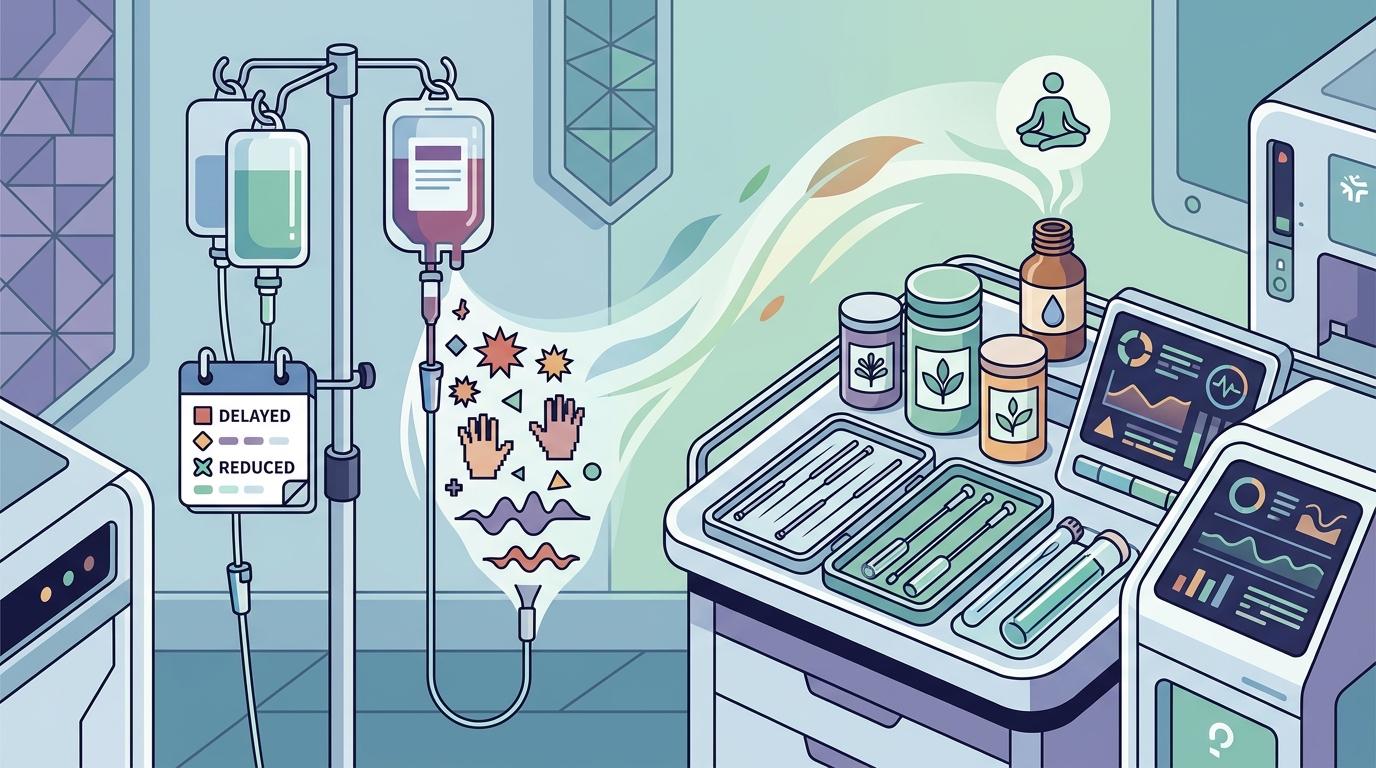
Chemotherapy remains a cornerstone of cancer treatment, yet its systemic impact often triggers a cascade of debilitating side effects that compromise patient quality of life. According to the National Cancer Institute, up to 90% of patients experience significant adverse effects such as neuropathy, fatigue, and nausea during active treatment cycles. These symptoms are not merely inconveniences; they are physiological stressors that can lead to treatment delays, dose reductions, and increased hospitalization rates. Integrative oncology addresses this gap by combining conventional medical treatments with evidence-based complementary therapies. This approach does not replace chemotherapy but rather supports the body's resilience, helping patients navigate the treatment journey with greater comfort and stability.
Understanding Integrative Oncology
Integrative oncology is a specialized field that coordinates conventional cancer treatments with complementary therapies. It is not alternative medicine, which is used instead of standard care. Instead, it is a holistic framework designed to address the whole person. This includes physical, emotional, and spiritual well-being. The goal is to reduce toxicity from chemotherapy while enhancing the immune system's ability to fight cancer cells.
At Thrive Integrative Cancer Care, we emphasize that every patient's protocol is unique. What works for one individual may not suit another. Therefore, a comprehensive assessment is the first step. This involves reviewing medical history, current medications, and specific side effect profiles. By understanding the root causes of discomfort, practitioners can select therapies that target those specific issues. This personalized approach ensures safety and efficacy.
Research published in the Journal of Clinical Oncology highlights that integrative interventions can significantly improve quality of life metrics. Patients report better sleep, reduced anxiety, and improved appetite. These benefits are crucial for maintaining strength during aggressive treatment regimens. The integration of mind-body practices and nutritional support creates a buffer against the harsh effects of cytotoxic drugs.
Managing Peripheral Neuropathy
Peripheral neuropathy is a common and often distressing side effect of chemotherapy. It causes numbness, tingling, and pain in the hands and feet. This condition can affect balance and daily functioning. Integrative therapies offer several strategies to manage these symptoms effectively.
Acupuncture for Nerve Relief
Acupuncture involves the insertion of thin needles into specific points on the body. Studies suggest that it can stimulate nerve function and reduce pain signals. A review in the JAMA Oncology journal indicates that acupuncture may help reduce the severity of chemotherapy-induced peripheral neuropathy. It promotes blood flow to damaged nerves and encourages natural pain relief mechanisms.
Physical Therapy and Movement
Targeted physical therapy helps maintain muscle strength and coordination. Gentle exercises can improve circulation and reduce stiffness. Practitioners at Thrive Integrative Cancer Care often recommend tailored movement plans. These plans focus on balance training and sensory re-education. Consistent movement prevents further nerve degradation and supports recovery.
Alleviating Chemo Brain and Fatigue
"Chemo brain" refers to cognitive changes such as memory lapses, difficulty concentrating, and mental fog. It is often accompanied by profound fatigue that rest does not alleviate. These symptoms can be emotionally taxing and impact professional and personal life.
Cognitive Rehabilitation
Cognitive rehabilitation techniques help patients retrain their brains. These include memory aids, organizational strategies, and mental exercises. Working with a specialist can provide tools to compensate for temporary cognitive deficits. This approach empowers patients to maintain independence and confidence.
Nutritional Support for Energy
Diet plays a pivotal role in managing fatigue. Anti-inflammatory foods rich in antioxidants help combat oxidative stress caused by chemotherapy. Omega-3 fatty acids, leafy greens, and lean proteins are essential components of a recovery diet. Thrive Integrative Cancer Care provides detailed nutritional guidance to ensure patients receive adequate energy without overwhelming their digestive systems.
Mind-Body Practices
Meditation and mindfulness practices have been shown to reduce mental fatigue. They help calm the nervous system and improve focus. Regular practice can enhance cognitive clarity and emotional stability. These low-risk interventions are accessible to most patients and can be integrated into daily routines.
Controlling Nausea and Vomiting
Nausea and vomiting are among the most immediate and feared side effects of chemotherapy. While antiemetic medications are standard, they do not work for everyone. Integrative therapies provide additional layers of control.
Ginger and Peppermint
Ginger has long been used to soothe the stomach. Clinical trials suggest that ginger supplements can reduce the intensity of nausea. Peppermint aromatherapy also offers relief by calming the digestive tract. These natural remedies can be used alongside prescription medications for synergistic effects.
Aromatherapy for Symptom Relief
Certain scents can trigger relaxation responses that counteract nausea. Lavender, lemon, and ginger essential oils are commonly used. Inhaling these scents can provide immediate, non-invasive relief. This method is particularly useful for patients who struggle with oral medications.
Acupressure
Acupressure involves applying pressure to specific points on the wrist, known as P6. This technique is non-invasive and can be self-administered. It has been shown to reduce the frequency of vomiting episodes. Patients can use wristbands designed for this purpose during treatment days.
Comparing Therapy Options
Choosing the right integrative therapies requires careful consideration of individual needs and treatment stages. The table below summarizes common therapies and their primary benefits.
| Therapy Type | Primary Target | Evidence Level | Implementation |
|---|---|---|---|
| Acupuncture | Neuropathy, Nausea | High | Weekly sessions |
| Yoga | Fatigue, Stress | High | 2-3 times weekly |
| Nutritional Counseling | Weight Loss, Digestion | Medium | Monthly reviews |
| Mindfulness Meditation | Anxiety, Sleep | High | Daily practice |
| Massage Therapy | Pain, Lymphedema | Medium | Bi-weekly sessions |
Each therapy has specific indications and contraindications. For example, massage may be restricted in patients with low platelet counts. Acupuncture requires sterile techniques and experienced practitioners. It is vital to coordinate all integrative treatments with your oncology team to avoid interactions.
Key Takeaways
- Integrative oncology combines conventional treatment with complementary therapies to improve quality of life.
- Acupuncture is a high-evidence therapy for managing chemotherapy-induced peripheral neuropathy and nausea.
- Nutritional support focusing on anti-inflammatory foods helps combat fatigue and supports immune function.
- Mind-body practices like meditation reduce anxiety and improve cognitive clarity during treatment.
- Personalized protocols are essential, as individual responses to therapies vary significantly.
- Coordination with your oncology team is critical to ensure safety and avoid drug-herb interactions.
- Early integration of these therapies yields better outcomes than waiting for severe side effects to develop.
Frequently Asked Questions
Is integrative oncology safe during active chemotherapy?
Yes, when managed by qualified professionals. Integrative therapies are designed to complement, not interfere with, chemotherapy. However, it is crucial to disclose all supplements and therapies to your oncologist to prevent adverse interactions.
How long does it take for integrative therapies to show results?
Results vary by therapy and individual. Some patients experience immediate relief from nausea or pain with acupuncture. Others may need several weeks of consistent yoga or nutritional changes to see significant improvements in fatigue and energy levels.
Can I use herbal supplements alongside chemotherapy?
Not without medical supervision. Some herbs can interfere with chemotherapy metabolism, reducing its effectiveness or increasing toxicity. Always consult with an integrative oncologist before starting any herbal regimen.
What is the difference between integrative and alternative medicine?
Integrative medicine works alongside conventional cancer treatments. Alternative medicine is used instead of standard care. Integrative oncology is evidence-based and coordinated with your medical team, whereas alternative therapies may lack scientific validation.
How do I find a qualified integrative oncologist?
Look for board-certified oncologists who have additional training in integrative medicine. Organizations like the Society for Integrative Oncology provide directories of qualified practitioners. Contact Thrive Integrative Cancer Care to discuss your specific needs and treatment options.
Are there any therapies to avoid during treatment?
High-dose antioxidant supplements and intense physical therapies may be contraindicated depending on your treatment phase. Always seek professional guidance to determine which therapies are safe for your specific condition.
Get Started
Managing chemotherapy side effects does not have to be a solitary struggle. Integrative therapies offer proven, compassionate support to help you maintain your strength and well-being. At Thrive Integrative Cancer Care, we are dedicated to providing personalized, evidence-based care that addresses your unique needs. Take the first step toward a more comfortable treatment journey. Schedule your consultation today to explore how integrative oncology can support you.