

What Lifestyle Changes Support Cancer Prevention and Long-Term Health?
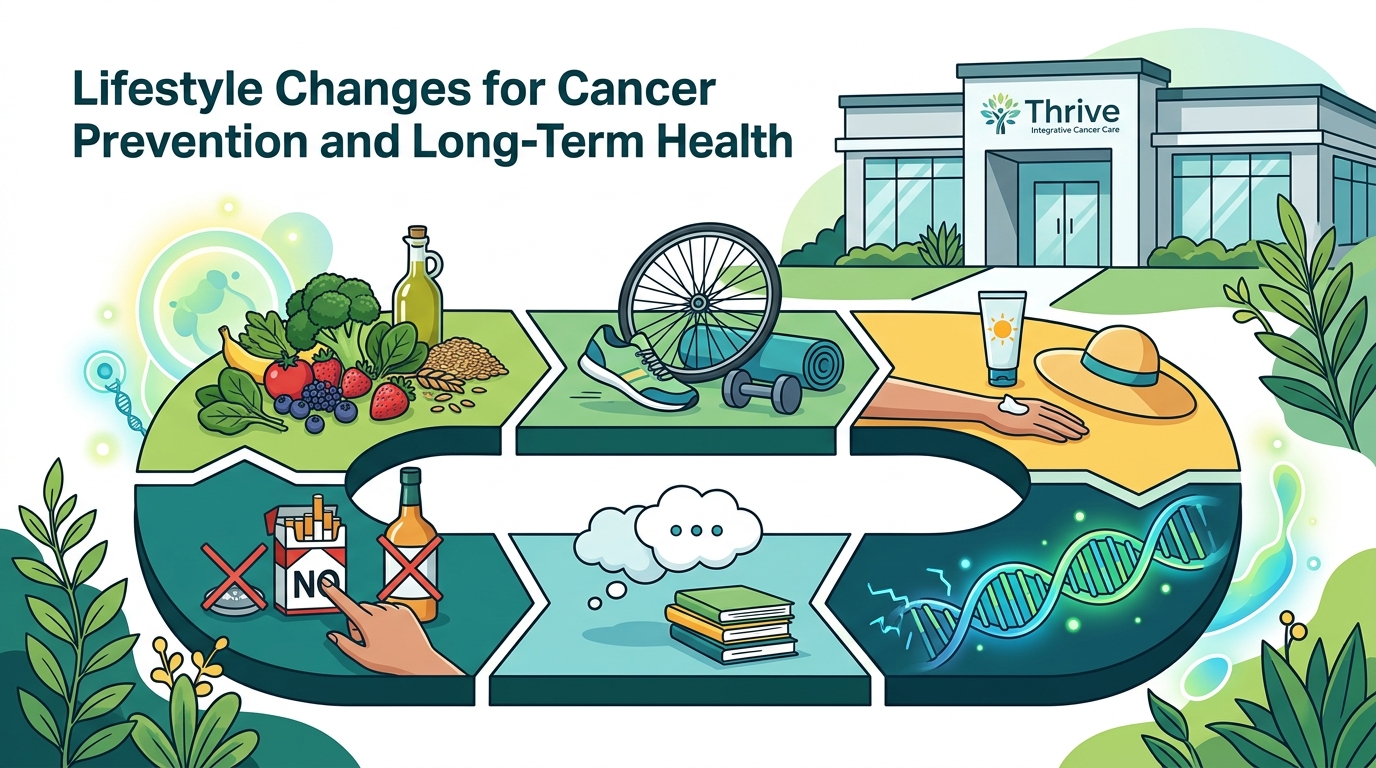
According to the American Cancer Society, approximately 40% of all cancer cases in the United States are preventable through specific lifestyle modifications and reduced exposure to known risk factors. This statistic underscores a critical reality: while genetics play a role, daily habits significantly influence cellular health and disease progression. At Thrive Integrative Cancer Care, we believe that empowering patients with knowledge about prevention and survivorship is just as vital as clinical treatment. By adopting evidence-based strategies, individuals can actively reduce their risk profile and enhance their overall quality of life.
Nutritional Strategies for Cellular Defense
Diet is one of the most powerful tools available for cancer prevention. The foods you consume directly impact inflammation levels, hormone regulation, and the body's ability to repair DNA damage. A plant-forward diet rich in antioxidants, fiber, and phytochemicals creates an internal environment that is less hospitable to cancer development.
Embrace Whole, Plant-Based Foods
Whole foods provide a complex matrix of nutrients that work synergistically to protect cells. Antioxidants are compounds that help protect cells from damage caused by unstable molecules known as free radicals. Foods such as berries, leafy greens, cruciferous vegetables like broccoli and cauliflower, and nuts are packed with these protective agents. Research indicates that diets high in these foods are associated with a lower risk of several cancers, including colorectal and breast cancer.
Limit Processed Foods and Red Meats
Conversely, the consumption of processed meats and ultra-processed foods has been linked to increased cancer risk. The World Health Organization classifies processed meats as Group 1 carcinogens, meaning there is sufficient evidence that they cause cancer in humans. Reducing intake of these items and replacing them with lean proteins and plant-based alternatives can significantly lower risk. Additionally, limiting added sugars helps manage insulin levels, which is crucial because high insulin can promote the growth of cancer cells.
Hydration and Gut Health
Proper hydration supports the body's natural detoxification processes and maintains the integrity of the mucosal lining in the digestive tract. A healthy gut microbiome is essential for immune function and inflammation control. Incorporating fermented foods like yogurt, kefir, and sauerkraut can introduce beneficial bacteria that support this ecosystem. For more insights on how nutrition supports the body during and after cancer treatment, explore our Programs page.
The Role of Physical Activity in Risk Reduction
Regular physical activity is not just about weight management; it is a fundamental pillar of cancer prevention. Exercise influences hormone levels, improves immune surveillance, and reduces chronic inflammation, all of which are key drivers in cancer development.
Recommended Activity Levels
The American Cancer Society recommends that adults aim for at least 150 minutes of moderate-intensity activity or 75 minutes of vigorous-intensity activity each week. Moderate activities include brisk walking, cycling, or swimming. Vigorous activities include running, hiking uphill, or high-intensity interval training (HIIT). Breaking this down into manageable daily sessions, such as 30 minutes a day, five days a week, makes the goal more achievable.
Strength Training and Balance
In addition to cardio, incorporating strength training exercises at least two days a week is crucial. Muscle mass helps regulate metabolism and glucose levels, reducing the risk of insulin resistance. For individuals undergoing cancer treatment, maintaining muscle mass is also vital for preserving strength and independence. Our Active Cancer Care programs often include tailored movement protocols to support patients through their treatment journey.
Reducing Sedentary Time
Sedentary behavior is an independent risk factor for cancer. Even if you meet the weekly exercise guidelines, prolonged sitting can negate some of the benefits. It is important to break up long periods of sitting with short bouts of movement. Simple actions like standing while on phone calls, taking walking breaks, or using a standing desk can make a significant difference in long-term health outcomes.
Minimizing Environmental and Chemical Exposures
While we cannot control all environmental factors, we can significantly reduce our exposure to known carcinogens in our daily lives. This includes tobacco smoke, ultraviolet radiation, and certain household chemicals.
Tobacco Cessation
Tobacco use is the leading cause of preventable cancer deaths worldwide. Quitting smoking at any age provides immediate and long-term health benefits. The risk of lung cancer decreases significantly within five to ten years of quitting. If you or a loved one is considering quitting, resources are available to support this transition. Visit our Get Started page to connect with specialists who can guide you through cessation support.
Sun Protection
Ultraviolet (UV) radiation from the sun and tanning beds is a primary cause of skin cancer. Protecting your skin involves using broad-spectrum sunscreen with an SPF of 30 or higher, wearing protective clothing, and seeking shade during peak sun hours. Regular skin checks by a dermatologist are also essential for early detection of any suspicious lesions.
Air and Water Quality
Indoor air quality can be compromised by radon, a radioactive gas that is the second leading cause of lung cancer. Testing your home for radon is a simple and inexpensive way to mitigate this risk. Additionally, ensuring clean water sources and reducing exposure to volatile organic compounds (VOCs) found in some paints and cleaning products can lower overall toxic load on the body.
Stress Management and Immune Function
Chronic stress has been shown to suppress immune function and promote inflammation, creating conditions that may facilitate cancer development. While stress itself does not cause cancer, managing it is a critical component of a holistic prevention strategy.
Mindfulness and Meditation
Practices such as mindfulness meditation, yoga, and deep breathing exercises can lower cortisol levels and reduce physiological stress responses. These practices also improve sleep quality and emotional well-being. At Thrive Integrative Cancer Care, we emphasize the connection between mental resilience and physical health. Learn more about our approach in our About section.
Sleep Hygiene
Quality sleep is essential for cellular repair and immune regulation. Adults should aim for seven to nine hours of sleep per night. Poor sleep patterns have been linked to an increased risk of obesity, diabetes, and heart disease, which are themselves risk factors for cancer. Establishing a consistent sleep schedule and creating a restful environment are key steps in improving sleep hygiene.
Social Connection
Strong social ties and community engagement are protective factors for mental and physical health. Loneliness and social isolation can have detrimental effects on well-being. Engaging in community activities, volunteering, or maintaining close relationships with family and friends can provide emotional support and reduce stress.
The Importance of Early Detection and Screening
Lifestyle changes are powerful, but they do not replace the need for regular medical screenings. Early detection of cancer significantly improves treatment outcomes and survival rates. Screening tests can find cancer before symptoms appear or identify precancerous conditions that can be treated before they become cancer.
Recommended Screenings by Age and Risk
Screening guidelines vary based on age, gender, family history, and other risk factors. Common screenings include mammograms for breast cancer, colonoscopies for colorectal cancer, Pap tests for cervical cancer, and low-dose CT scans for lung cancer in high-risk individuals. It is important to discuss your personal risk profile with your healthcare provider to determine the appropriate screening schedule for you.
Advocating for Your Health
Being proactive about your health means staying informed and adhering to recommended screening schedules. Do not hesitate to ask questions or express concerns about your risk factors. Early detection is a key component of long-term health and survivorship. For more information on our supportive care services, visit our Blog for expert articles and resources.
Key Takeaways
- Preventable Cases: Approximately 40% of cancer cases are preventable through lifestyle changes, according to the American Cancer Society.
- Dietary Impact: A plant-forward diet rich in antioxidants and fiber reduces inflammation and supports cellular repair.
- Physical Activity: Aim for 150 minutes of moderate activity or 75 minutes of vigorous activity weekly to lower cancer risk.
- Tobacco Cessation: Quitting smoking is the single most effective step to reduce the risk of lung and other cancers.
- Sun Protection: Use broad-spectrum sunscreen and avoid tanning beds to prevent skin cancer caused by UV radiation.
- Stress Management: Chronic stress can suppress immune function; mindfulness and adequate sleep are crucial for resilience.
- Early Detection: Regular screenings based on age and risk factors are essential for early intervention and better outcomes.
Frequently Asked Questions
Can lifestyle changes really prevent cancer?
Yes, significant evidence shows that lifestyle modifications such as maintaining a healthy weight, eating a nutritious diet, staying physically active, and avoiding tobacco can substantially reduce the risk of developing cancer. While not all cancers are preventable, these changes can lower the likelihood of occurrence.
How much exercise is needed for cancer prevention?
The American Cancer Society recommends at least 150 minutes of moderate-intensity activity or 75 minutes of vigorous-intensity activity per week. This can be broken down into 30 minutes a day, five days a week, combined with strength training exercises twice a week.
What is the role of diet in cancer prevention?
Diet plays a critical role by influencing inflammation, hormone levels, and immune function. A diet rich in fruits, vegetables, whole grains, and lean proteins provides essential nutrients and antioxidants that protect cells from damage. Limiting processed meats and added sugars is also recommended.
Does stress cause cancer?
While stress itself does not directly cause cancer, chronic stress can weaken the immune system and promote inflammation, which may create conditions favorable for cancer development. Managing stress through mindfulness, exercise, and social support is an important part of a holistic health strategy.
When should I start getting cancer screenings?
Screening recommendations vary by age, gender, and family history. Generally, screenings for colorectal cancer begin at age 45, while mammograms and Pap tests have specific guidelines based on age and risk factors. Consult with your healthcare provider to determine the appropriate screening schedule for you.
How does quitting smoking benefit cancer prevention?
Quitting smoking reduces the risk of lung cancer and other cancers associated with tobacco use. The body begins to repair itself shortly after quitting, and the risk of cancer decreases significantly over time. It is never too late to quit and benefit from improved health.
What are some practical ways to reduce environmental exposures?
Practical steps include testing your home for radon, using natural cleaning products, avoiding tanning beds, wearing sun protection outdoors, and ensuring good ventilation in your living and working spaces. Reducing exposure to known carcinogens is a key preventive measure.
Start Your Prevention Journey
Taking control of your health through lifestyle changes is a powerful step toward cancer prevention and long-term well-being. At Thrive Integrative Cancer Care, we are dedicated to supporting individuals through every stage of their health journey, from prevention to survivorship. Our holistic approach combines evidence-based medicine with personalized care to address the whole person. If you are ready to explore how our programs can support your health goals, please contact us today to schedule a consultation. Together, we can build a resilient foundation for a healthier future.