

Can I Start an Integrative Wellness Program During Active Treatment?
Starting an integrative wellness program during active cancer treatment is not only possible but often recommended to manage side effects and improve quality of life. According to the National Cancer Institute, integrative therapies can help reduce symptoms like fatigue, pain, and anxiety when used alongside conventional care. This approach focuses on supporting the whole person, not just the disease, ensuring that your body has the resources it needs to heal and recover. (Thrive Integrative Cancer Care)
Safety First: Coordinating with Your Oncology Team
The most critical step in starting an integrative wellness program is open communication with your oncologist. Integrative medicine is not a replacement for conventional treatment but a complementary approach. Your medical team needs to know every therapy, supplement, or lifestyle change you introduce to your routine.
Some natural products can interfere with chemotherapy or radiation therapy. For instance, certain antioxidants might protect cancer cells from the oxidative stress that these treatments rely on to work effectively. Therefore, coordination is key. Before starting any new regimen, schedule a consultation with a specialist who understands both oncology and integrative practices. At Thrive Integrative Cancer Care, we specialize in bridging this gap, ensuring your wellness plan supports your medical treatment rather than hindering it.
When you begin this journey, expect a thorough review of your current medications and treatment protocol. This process helps identify potential interactions and tailors the wellness program to your specific cancer type, stage, and treatment phase. This personalized approach ensures that every intervention is safe, effective, and aligned with your overall care goals.
The Core Pillars of Integrative Care
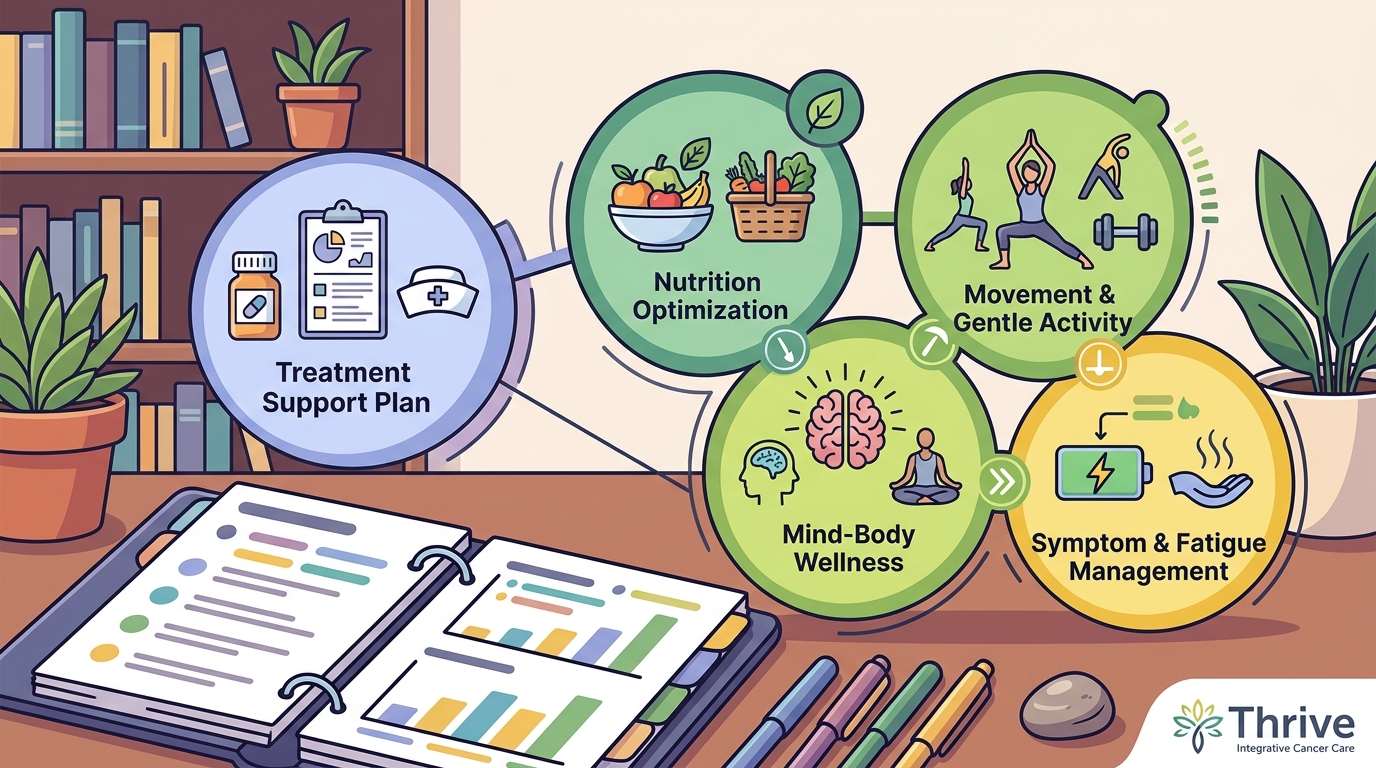
Integrative cancer care is built on several foundational pillars that address the physical, emotional, and spiritual aspects of your health. These pillars work together to create a holistic support system that helps you navigate the challenges of active treatment.
1. Nutrition and Diet
Proper nutrition is essential for maintaining strength and immune function during treatment. A diet rich in whole foods, lean proteins, and healthy fats can help manage weight loss and muscle wasting. Integrative nutritionists focus on anti-inflammatory diets that support the body's natural healing processes.
2. Mind-Body Connection
The mind-body connection plays a significant role in how you experience treatment. Techniques like meditation, yoga, and mindfulness can reduce stress and improve emotional well-being. These practices help lower cortisol levels, which can positively impact your immune response and overall resilience.
3. Physical Activity
Gentle, regular physical activity can combat fatigue and improve mood. Exercise does not have to be intense; even short walks or stretching routines can make a difference. The goal is to stay active in a way that feels good and does not overtax your body.
4. Sleep and Rest
Quality sleep is crucial for recovery and immune function. Treatment can disrupt sleep patterns, leading to fatigue and irritability. Integrative care includes strategies to improve sleep hygiene and manage insomnia, ensuring you get the rest your body needs to heal.
Nutrition Strategies for Active Treatment
Nutrition during active treatment requires a delicate balance. You need enough calories and protein to maintain your strength, but you may also face challenges like nausea, taste changes, or difficulty swallowing. Integrative nutritionists help you navigate these obstacles by creating flexible meal plans that adapt to your daily needs.
One key concept in integrative oncology is the anti-inflammatory diet. This dietary pattern emphasizes foods that reduce inflammation in the body, such as fruits, vegetables, whole grains, and healthy fats. By reducing inflammation, you may experience fewer side effects and a smoother recovery process.
Another important aspect is hydration. Treatment can dehydrate the body, leading to fatigue and other complications. Drinking enough water and electrolyte-rich fluids is essential. If oral intake is difficult, your care team may recommend nutritional supplements or other methods to ensure you stay hydrated and nourished.
Mind-Body Techniques for Stress Reduction
Stress management is a vital component of integrative cancer care. High stress levels can weaken the immune system and exacerbate treatment side effects. Mind-body techniques offer practical tools to manage stress and improve your emotional well-being.
Meditation is one of the most widely studied mind-body practices. Research shows that regular meditation can reduce anxiety and depression in cancer patients. It helps calm the nervous system and promotes a sense of peace and control. Even a few minutes of daily meditation can have a significant impact on your mental health.
Yoga is another powerful tool. It combines physical postures, breathing exercises, and meditation to improve flexibility, strength, and relaxation. Modified yoga classes designed for cancer patients can be particularly beneficial, as they focus on gentle movements that accommodate your current physical condition.
Mindfulness-based stress reduction (MBSR) is a structured program that teaches mindfulness meditation and yoga. Studies have shown that MBSR can improve quality of life and reduce symptoms of anxiety and depression in cancer patients. By learning to stay present and non-judgmental, you can better cope with the challenges of treatment.
Gentle Movement and Physical Activity
Physical activity is often overlooked during cancer treatment, but it is crucial for maintaining strength and reducing fatigue. Integrative care programs include tailored exercise plans that are safe and effective for each patient.
Walking is an excellent starting point. It is low-impact, easy to do, and can be done almost anywhere. Start with short walks and gradually increase the duration and intensity as your energy levels improve. Listening to your body is essential; rest when you need to and push gently when you feel up to it.
Stretching and range-of-motion exercises can help prevent stiffness and maintain joint health. These exercises are particularly important if you are undergoing treatments that may affect your mobility. Your care team can guide you through safe stretching routines that address your specific needs.
Strength training can also be beneficial, but it must be approached with caution. Light resistance exercises can help maintain muscle mass and bone density. However, it is important to avoid heavy lifting or intense workouts that could strain your body. Always consult with your healthcare provider before starting any strength training program.
Navigating Supplements and Herbs
The use of supplements and herbs during cancer treatment is a complex topic. While some natural products may offer benefits, others can interfere with treatment or cause harmful side effects. This is why professional guidance is essential.
One common misconception is that all natural products are safe. In reality, some herbs can interact with chemotherapy drugs, reducing their effectiveness or increasing toxicity. For example, St. John's Wort can interfere with the metabolism of many medications, leading to unpredictable results.
Another concern is the quality and purity of supplements. The supplement industry is not strictly regulated, so products may contain contaminants or incorrect dosages. It is important to choose high-quality supplements from reputable manufacturers and to discuss them with your healthcare team.
Integrative oncologists can help you navigate this landscape by recommending evidence-based supplements that are safe and effective for your specific situation. They can also help you avoid products that may pose risks. This personalized approach ensures that you get the benefits of natural therapies without compromising your medical treatment.
Key Takeaways
- Coordination is Essential: Always consult your oncologist before starting any integrative therapy to avoid interactions with your treatment.
- Holistic Approach: Integrative care addresses physical, emotional, and spiritual needs, not just the disease.
- Nutrition Matters: An anti-inflammatory diet and proper hydration can help manage side effects and maintain strength.
- Mind-Body Techniques: Meditation, yoga, and mindfulness can reduce stress and improve emotional well-being.
- Gentle Movement: Regular, gentle physical activity can combat fatigue and improve mood.
- Supplement Caution: Not all natural products are safe during treatment; professional guidance is crucial.
- Personalized Care: Your wellness plan should be tailored to your specific cancer type, stage, and treatment protocol.
Frequently Asked Questions
Is it safe to start yoga during chemotherapy?
Yes, gentle yoga is generally safe during chemotherapy, but it is important to choose classes designed for cancer patients. These classes focus on modified poses that accommodate your current physical condition and energy levels. Always inform your instructor about your treatment status.
Can I take vitamins while undergoing radiation therapy?
Some vitamins may interfere with radiation therapy by protecting cancer cells from damage. It is crucial to consult your oncologist before taking any supplements. They can advise you on which vitamins are safe and which should be avoided during your treatment.
How does integrative care differ from alternative medicine?
Integrative care combines conventional medical treatments with evidence-based complementary therapies. Alternative medicine is used instead of conventional treatment. Integrative care supports your medical treatment, while alternative medicine may replace it. Integrative care is always coordinated with your oncology team.
What are the benefits of mindfulness meditation for cancer patients?
Mindfulness meditation can reduce anxiety, depression, and fatigue. It helps patients cope with the stress of treatment and improves their overall quality of life. By focusing on the present moment, patients can develop a greater sense of control and peace.
Can I continue working while starting an integrative wellness program?
Many patients continue to work during treatment, especially in the early stages. An integrative wellness program can help you manage fatigue and stress, making it easier to maintain your work routine. However, it is important to listen to your body and adjust your workload as needed.
How do I find a qualified integrative oncologist?
Look for healthcare providers who are board-certified in both oncology and integrative medicine. You can also ask your current oncologist for referrals or check with professional organizations like the Society for Integrative Oncology. At Thrive Integrative Cancer Care, we offer specialized programs designed to support patients during active treatment.
What should I do if I experience side effects from a new therapy?
If you experience any new or worsening symptoms after starting a new therapy, contact your healthcare provider immediately. Do not stop or change your treatment without consulting your doctor. Your care team can help determine if the side effects are related to the new therapy and adjust your plan accordingly.
Get Started with Thrive Integrative Cancer Care
Starting an integrative wellness program during active treatment is a proactive step toward better health and well-being. By coordinating with your oncology team and focusing on nutrition, mind-body techniques, and gentle movement, you can support your body through treatment and beyond. Thrive Integrative Cancer Care offers comprehensive programs designed to meet your unique needs. Visit our Programs page to learn more about our services. To begin your journey, get started today and take the first step toward a more supportive and holistic care experience.