

Is There a Doctor Who Specializes in Integrative Oncology Support During Cancer Treatment?
Integrative oncology is a specialized field that combines conventional cancer treatments with evidence-based complementary therapies. According to the Society for Integrative Oncology, this approach focuses on treating the whole person rather than just the disease. Patients often seek these specialists to manage side effects, improve quality of life, and support emotional well-being during their journey. (Thrive Integrative Cancer Care)
What Is Integrative Oncology?
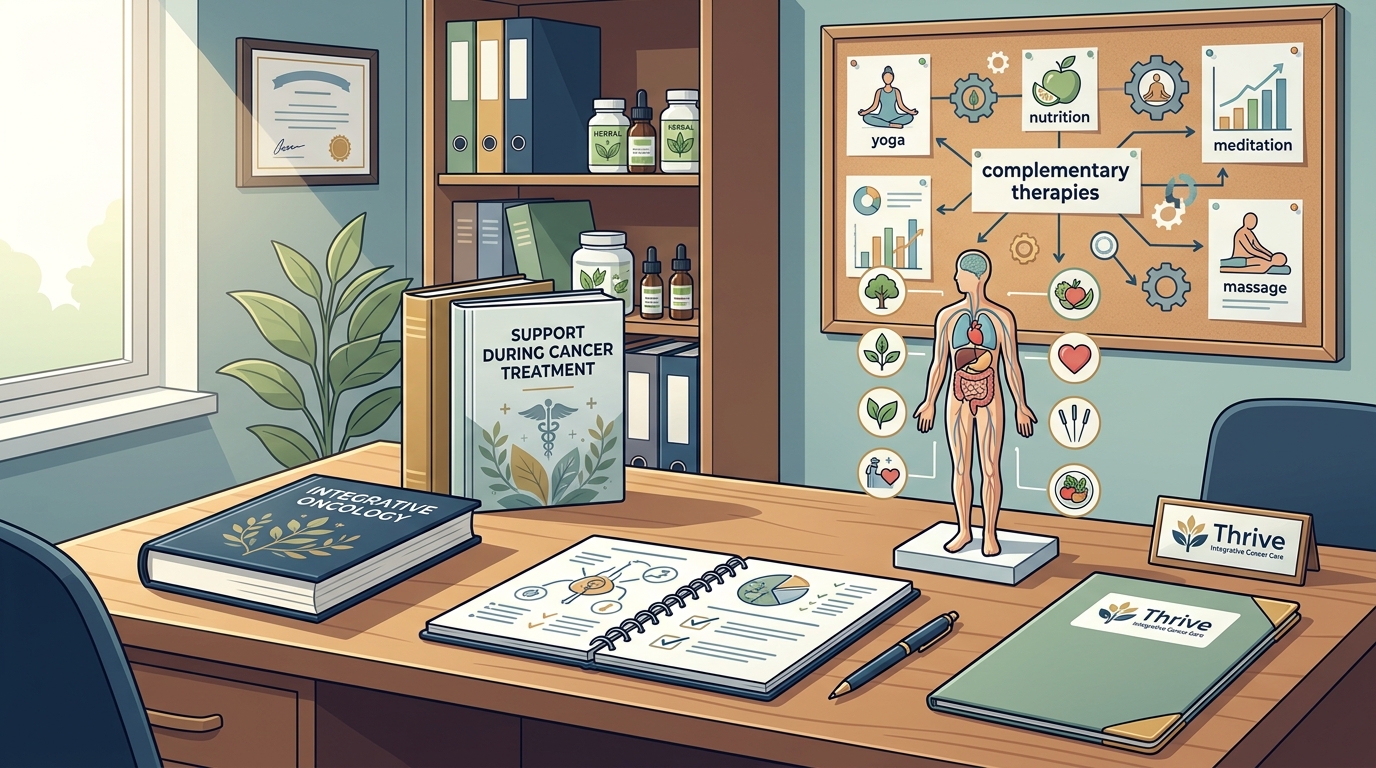
Integrative oncology is a coordinated approach to cancer care that merges standard medical treatments, such as chemotherapy and radiation, with complementary therapies. These complementary therapies may include nutrition, mindfulness, acupuncture, and physical activity. The goal is to reduce treatment side effects and enhance the patient's overall well-being.
Unlike traditional oncology, which primarily targets the tumor, integrative oncology addresses the physical, emotional, and spiritual needs of the patient. This holistic model ensures that patients receive comprehensive support throughout their diagnosis and treatment phases.
For more information on the foundational principles of this field, you can explore resources from the Society for Integrative Oncology. Their guidelines emphasize the importance of evidence-based practices to ensure patient safety and efficacy.
The Role of the Integrative Oncology Doctor
An integrative oncology doctor is a medical professional who has received additional training in complementary therapies. They work alongside conventional oncologists to create a unified care plan. Their role involves assessing the patient's unique needs and recommending therapies that align with their treatment protocol.
These specialists are trained to identify potential interactions between complementary therapies and conventional treatments. This knowledge is crucial for preventing adverse effects and ensuring that the patient's immune system remains robust during treatment.
At Thrive Integrative Cancer Care, our team of specialists is dedicated to providing personalized care that respects the integrity of both conventional and complementary approaches. We believe in empowering patients with knowledge and tools to actively participate in their healing process.
Key Programs for Prevention and Support
Thrive Integrative Cancer Care offers structured programs designed to support patients at every stage of their journey. These programs are tailored to address specific needs, from prevention to survivorship.
Active Cancer Care
This program focuses on patients currently undergoing treatment. It includes symptom management, nutritional support, and stress reduction techniques. The goal is to help patients tolerate treatment better and maintain their quality of life.
Prevention Programs
For individuals at high risk of cancer, our prevention programs focus on lifestyle modifications and early detection strategies. These initiatives aim to reduce risk factors and promote long-term health.
Survivorship Support
After treatment ends, patients often face unique challenges. Our survivorship programs provide ongoing support to help patients navigate life after cancer, including emotional counseling and physical rehabilitation.
Learn more about our specific offerings on our Programs page. Each program is designed to meet the diverse needs of our patients.
Benefits of Integrative Support
Research indicates that integrative oncology can significantly improve patient outcomes. Studies show that patients who receive integrative care often report lower levels of anxiety and depression. They also experience fewer treatment-related side effects, such as nausea and fatigue.
One of the primary benefits is the improvement in physical function. Regular physical activity and nutritional guidance can help patients maintain their strength and energy levels. This is particularly important for those undergoing chemotherapy or radiation.
According to data from the American Cancer Society, holistic approaches can enhance the effectiveness of conventional treatments by supporting the body's natural healing processes. This synergy is a cornerstone of integrative oncology.
Conventional vs. Integrative Care Models
Understanding the differences between conventional and integrative care is essential for making informed decisions. While conventional oncology focuses on eradicating the disease, integrative oncology focuses on supporting the patient through the process.
| Feature | Conventional Oncology | Integrative Oncology |
|---|---|---|
| Primary Focus | Tumor eradication | Whole-person well-being |
| Therapies Used | Chemotherapy, Radiation, Surgery | Complementary therapies + Conventional |
| Patient Role | Passive recipient | Active participant |
| Side Effect Management | Pharmacological | Holistic and Pharmacological |
This table highlights the complementary nature of integrative care. It does not replace conventional treatment but enhances it by addressing broader health needs.
Key Takeaways
- Integrative oncology combines conventional treatments with evidence-based complementary therapies.
- Specialists in this field are trained to manage side effects and improve quality of life.
- Thrive Integrative Cancer Care offers programs for prevention, active care, and survivorship.
- Research supports the benefits of integrative care in reducing anxiety and improving physical function.
- Integrative care empowers patients to take an active role in their healing process.
- Coordination between integrative and conventional doctors is essential for safety and efficacy.
- Personalized care plans address the unique physical, emotional, and spiritual needs of each patient.
Frequently Asked Questions
What is the difference between an oncologist and an integrative oncology doctor?
An oncologist specializes in diagnosing and treating cancer using conventional methods. An integrative oncology doctor combines these methods with complementary therapies to support the whole patient.
Can integrative therapies replace conventional cancer treatment?
No. Integrative therapies are designed to complement, not replace, conventional treatments. They help manage side effects and improve well-being during standard care.
How do I find a qualified integrative oncology specialist?
Look for board-certified oncologists who have completed additional training in integrative medicine. Organizations like the Society for Integrative Oncology can provide directories of qualified professionals.
What types of complementary therapies are commonly used?
Common therapies include acupuncture, meditation, yoga, nutritional counseling, and massage. The specific therapies used depend on the patient's needs and treatment plan.
Is integrative oncology covered by insurance?
Coverage varies by provider and plan. Some insurance plans cover certain complementary therapies, while others may require out-of-pocket payment. It is best to check with your provider.
What should I expect during my first visit?
During your first visit, the doctor will conduct a comprehensive assessment of your health, including your medical history, lifestyle, and emotional well-being. They will then create a personalized care plan.
How does nutrition play a role in integrative oncology?
Nutrition is a critical component of integrative oncology. A balanced diet can help strengthen the immune system, manage treatment side effects, and improve overall energy levels.
Get Started with Thrive Integrative Cancer Care
If you are looking for specialized support during your cancer treatment, Thrive Integrative Cancer Care is here to help. Our team of experts is dedicated to providing compassionate, evidence-based care that addresses your unique needs. We invite you to get started today by scheduling a consultation. Together, we can build a path to healing that honors your whole self.