

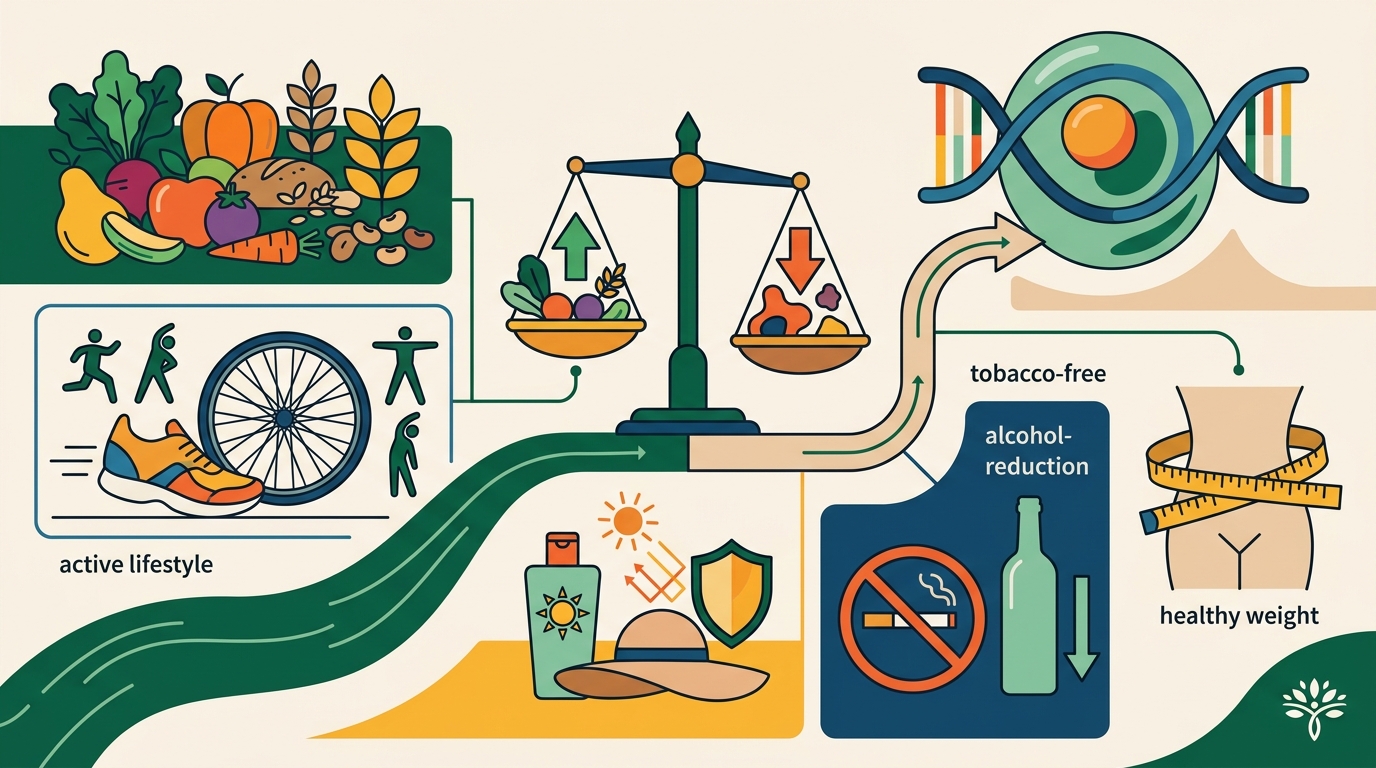
According to the American Cancer Society, approximately 40% of all cancer cases in the United States are preventable through specific lifestyle modifications and environmental factors. This statistic underscores a critical reality: while genetics play a role, daily habits significantly influence cellular health and disease risk. At Thrive Integrative Cancer Care, we believe that empowering patients with actionable, science-backed strategies is the first step toward robust prevention and sustained survivorship. This guide explores the essential lifestyle changes that support long-term health and reduce cancer risk.
Nutrition Strategies for Cellular Defense
Food is not merely fuel; it is information that instructs your cells on how to function. Integrative nutrition is the practice of using whole, nutrient-dense foods to support the body's natural detoxification pathways and immune surveillance. The goal is to reduce inflammation, which is a known driver of chronic disease and cancer progression.
Plant-Forward Eating Patterns
A diet rich in colorful vegetables, fruits, legumes, and whole grains provides phytonutrients that protect DNA from damage. These compounds act as antioxidants, neutralizing free radicals before they can cause cellular mutations. Research indicates that diets high in processed meats and low in fiber are associated with increased risks of colorectal and other gastrointestinal cancers. Conversely, a plant-forward approach supports a healthy gut microbiome, which plays a pivotal role in regulating immune responses.
Healthy Fats and Protein Sources
Incorporating healthy fats, such as those found in olive oil, avocados, and fatty fish, helps maintain cell membrane integrity and reduces systemic inflammation. Omega-3 fatty acids, in particular, have been linked to a lower risk of several cancers. Protein sources should be prioritized from lean meats, legumes, and nuts to support tissue repair and immune function without the inflammatory load often associated with high-fat animal products.
For more insights on dietary protocols, explore our Programs page, which details how nutrition is integrated into our care plans.
Physical Activity and Metabolic Health
Regular physical activity is one of the most powerful tools for cancer prevention. It helps regulate hormones, improve immune function, and maintain a healthy body weight. Metabolic health refers to the state of your body's ability to process glucose and lipids efficiently, which is crucial for preventing insulin resistance and chronic inflammation.
Consistency Over Intensity
You do not need to train like an athlete to reap the benefits. Consistent, moderate-intensity exercise, such as brisk walking, swimming, or cycling, for at least 150 minutes per week is recommended by health authorities. This level of activity helps lower levels of insulin and insulin-like growth factors, which can stimulate cancer cell growth. Additionally, exercise helps reduce estrogen levels, which is particularly important for preventing hormone-related cancers.
Strength Training for Longevity
Incorporating resistance training two to three times per week helps preserve muscle mass, which naturally declines with age. Muscle tissue is metabolically active and helps regulate blood sugar levels. By maintaining muscle mass, you support your metabolic rate and reduce the risk of obesity, a significant risk factor for numerous cancer types. Learn more about our holistic approach in our About section.
Stress Management and Nervous System Regulation
Chronic stress keeps the body in a state of fight-or-flight, leading to elevated cortisol levels. Over time, this can suppress the immune system and promote inflammation. Stress resilience is the ability to adapt to stressful demands and recover quickly, which is essential for long-term health.
Mind-Body Practices
Practices such as meditation, yoga, and deep breathing exercises activate the parasympathetic nervous system, promoting relaxation and healing. These practices have been shown to lower blood pressure, reduce anxiety, and improve sleep quality. By managing stress, you support your body's natural ability to repair DNA and eliminate abnormal cells.
Community and Connection
Social isolation is a significant risk factor for poor health outcomes. Building strong social connections and participating in community activities can reduce stress and provide emotional support. At Thrive Integrative Cancer Care, we emphasize the importance of a supportive network in our Blog articles, which often highlight patient stories and community resources.
Sleep Hygiene and Immune Restoration
Sleep is when the body repairs itself. During deep sleep, the immune system releases cytokines, some of which help promote sleep and fight infection and inflammation. Sleep hygiene refers to the habits and environmental factors that promote consistent, uninterrupted sleep.
The Circadian Rhythm
Aligning your sleep schedule with your body's natural circadian rhythm is crucial. This means going to bed and waking up at the same time every day, even on weekends. Exposure to natural light during the day and minimizing blue light exposure in the evening helps regulate melatonin production, a hormone that not only regulates sleep but also has antioxidant properties.
Creating a Restful Environment
Ensure your bedroom is cool, dark, and quiet. Remove electronic devices from the bedroom to minimize distractions. If you struggle with sleep, consider speaking with a healthcare provider to rule out underlying conditions. For more information on holistic health, visit our Contact page to schedule a consultation.
Reducing Environmental Toxin Exposure
Environmental toxins, including pollutants, pesticides, and chemicals in household products, can contribute to cancer risk. Detoxification is the biological process by which the body eliminates or neutralizes toxins. Supporting this process involves reducing exposure and providing the body with the nutrients it needs to detoxify effectively.
Household Products
Choose natural cleaning products and personal care items that are free from harsh chemicals, parabens, and phthalates. These substances can act as endocrine disruptors, interfering with hormone function and potentially increasing cancer risk. Reading labels and opting for simpler, plant-based alternatives can significantly reduce your toxic load.
Water and Air Quality
Ensure your drinking water is filtered to remove contaminants such as chlorine, lead, and fluoride. Similarly, improving indoor air quality by using air purifiers and ventilating your home can reduce exposure to volatile organic compounds (VOCs). These small changes can have a cumulative positive effect on your long-term health.
Lifestyle Pillars Comparison
Understanding how different lifestyle factors interact is key to effective prevention. The table below summarizes the core components of a cancer-preventive lifestyle.
| Lifestyle Pillar | Primary Benefit | Key Action | Impact on Cancer Risk |
|---|---|---|---|
| Nutrition | Reduces inflammation and provides antioxidants | Adopt a plant-forward diet | Significant reduction in gastrointestinal and hormone-related cancers |
| Movement | Regulates hormones and maintains healthy weight | 150+ minutes of moderate exercise weekly | Lower risk of colorectal, breast, and endometrial cancers |
| Stress Management | Supports immune function and nervous system balance | Daily mindfulness or meditation practice | Improved immune surveillance and reduced chronic inflammation |
| Sleep | Facilitates cellular repair and hormone regulation | 7-9 hours of quality sleep per night | Enhanced DNA repair and reduced oxidative stress |
| Toxin Reduction | Decreases burden on detoxification pathways | Use natural household products and filter water | Reduced exposure to carcinogens and endocrine disruptors |
Key Takeaways
- Prevention is Powerful: Up to 40% of cancers are preventable through lifestyle changes, according to the American Cancer Society.
- Nutrition is Foundational: A plant-forward diet rich in phytonutrients supports cellular defense and reduces inflammation.
- Movement Matters: Regular physical activity regulates hormones and maintains a healthy weight, lowering cancer risk.
- Stress Impacts Health: Chronic stress suppresses the immune system, making stress management a critical preventive tool.
- Sleep Restores: Quality sleep is essential for immune function and cellular repair.
- Toxin Awareness: Reducing exposure to environmental toxins supports the body's natural detoxification processes.
- Holistic Approach: Integrating these lifestyle changes creates a synergistic effect for long-term health.
Frequently Asked Questions
How quickly can lifestyle changes reduce cancer risk?
While the full benefits of lifestyle changes accumulate over time, improvements in metabolic health and immune function can be seen within weeks. Long-term risk reduction is a cumulative process that requires consistency.
Is it too late to start preventing cancer?
No. It is never too late to adopt healthier habits. Even small changes can have a significant impact on your health and quality of life, regardless of age or current health status.
What role does genetics play in cancer prevention?
Genetics influence your baseline risk, but lifestyle factors can modify gene expression through epigenetics. This means that healthy habits can help turn off genes associated with cancer and turn on protective genes.
How much exercise is enough for cancer prevention?
Health authorities recommend at least 150 minutes of moderate-intensity exercise per week. This can be broken down into 30 minutes, five days a week.
Can stress really cause cancer?
Stress does not directly cause cancer, but chronic stress can weaken the immune system and promote inflammation, which creates an environment where cancer cells can thrive.
What are the best foods for cancer prevention?
Cruciferous vegetables (like broccoli and kale), berries, fatty fish, and whole grains are among the best foods for cancer prevention due to their high antioxidant and anti-inflammatory properties.
How can I reduce my exposure to environmental toxins?
You can reduce exposure by using natural cleaning products, filtering your water, choosing organic produce when possible, and improving indoor air quality.
Begin Your Prevention Journey
Taking control of your health starts with informed decisions and consistent action. At Thrive Integrative Cancer Care, we provide the guidance and support you need to implement these lifestyle changes effectively. Whether you are looking to prevent cancer or support long-term health, our team is here to help. Get Started today by scheduling a consultation to create a personalized prevention plan tailored to your unique needs.