

Is There a Doctor Who Specializes in Integrative Oncology Support During Cancer Treatment?
Integrative oncology is a specialized field that combines conventional cancer treatments with evidence-based complementary therapies. According to the Society for Integrative Oncology, this approach focuses on the whole person, addressing physical, emotional, and spiritual needs alongside medical care. This holistic model is designed to improve quality of life and potentially enhance treatment outcomes for patients navigating complex diagnoses.
What Is Integrative Oncology?
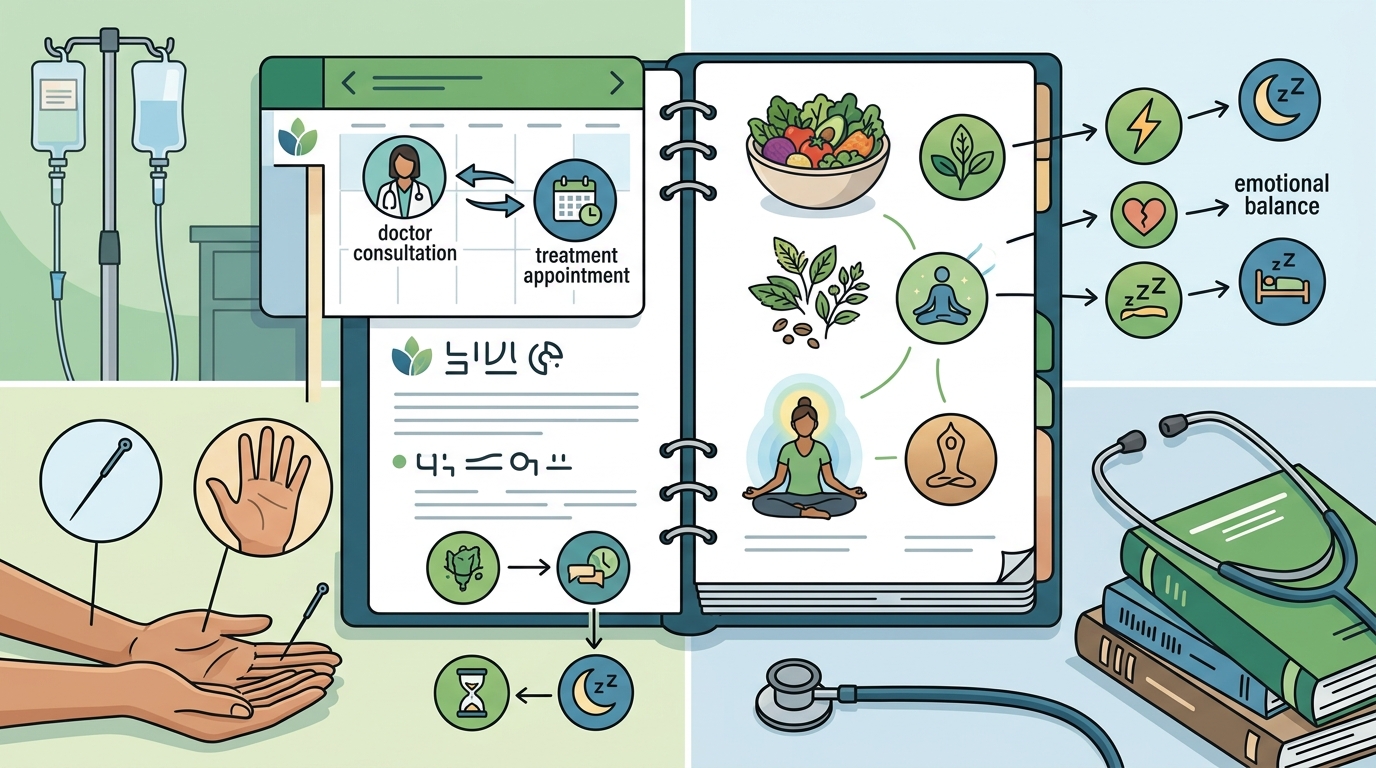
Integrative oncology is a coordinated approach to cancer care that merges standard medical treatments, such as chemotherapy and radiation, with complementary therapies. These complementary therapies include acupuncture, nutrition counseling, mindfulness, and herbal medicine. The goal is not to replace conventional treatment but to support the patient through it. This model recognizes that cancer affects the entire body and mind, requiring a multifaceted response.
Unlike traditional oncology, which often focuses primarily on the tumor, integrative oncology looks at the patient's overall well-being. This includes managing side effects, reducing stress, and improving nutritional status. By addressing these factors, patients may experience better tolerance to treatment and a higher quality of life during their journey.
The Role of the Integrative Oncology Doctor
Yes, there are doctors who specialize in this field. An integrative oncology doctor is typically a medical oncologist who has received additional training in complementary therapies. They work alongside your primary oncology team to create a unified care plan. This collaboration ensures that all treatments are safe and do not interfere with each other.
These specialists are trained to identify which complementary therapies are evidence-based and safe for your specific type of cancer. They do not offer unproven cures. Instead, they focus on therapies that have scientific backing for symptom management and quality of life improvement. This rigorous approach protects patients from potentially harmful interactions between supplements and chemotherapy.
Core Services and Support Programs
At Thrive Integrative Cancer Care, the focus is on providing comprehensive support through every stage of the cancer journey. The programs are designed to be accessible and tailored to individual needs. This includes support for prevention, active treatment, and long-term survivorship.
Active Cancer Care Integration
During active treatment, patients often face significant physical and emotional challenges. The Active Cancer Care program is designed to support patients through this critical phase. It includes symptom management strategies, nutritional guidance, and emotional support resources. The aim is to help patients maintain their strength and dignity while undergoing rigorous medical treatments.
Integrative therapies such as acupuncture can help manage nausea and pain. Mindfulness practices can reduce anxiety and improve sleep. These interventions are not optional extras but essential components of a robust care plan. They help patients stay engaged in their treatment and maintain a sense of control over their health.
Prevention and Survivorship
Cancer care does not end when treatment concludes. The Programs for Prevention, Support & Survivorship address the long-term needs of survivors. This includes monitoring for recurrence, managing late effects of treatment, and promoting overall health. Prevention strategies focus on lifestyle factors that can reduce the risk of cancer development or recurrence.
Survivorship care plans are personalized documents that outline follow-up care, healthy living strategies, and emergency contacts. They help patients transition from active treatment to a new normal. This phase is crucial for long-term well-being and requires ongoing professional support.
Benefits of Integrative Support
Research indicates that integrative oncology can lead to significant improvements in patient outcomes. Studies show that patients who receive integrative care report lower levels of fatigue, pain, and anxiety. They also report higher satisfaction with their care and a better sense of well-being. These benefits are critical for maintaining mental and physical health during a stressful time.
Furthermore, integrative care can help patients adhere to their treatment plans. When side effects are managed effectively, patients are more likely to complete their prescribed therapies. This adherence is crucial for achieving the best possible medical outcomes. The holistic approach also fosters a stronger patient-provider relationship, which is linked to better health behaviors and outcomes.
Key Takeaways
- Integrative oncology combines conventional treatment with evidence-based complementary therapies.
- Specialized doctors coordinate care to ensure safety and efficacy across all treatments.
- Thrive Integrative Cancer Care offers programs for prevention, active care, and survivorship.
- Active Cancer Care support helps manage side effects and maintain quality of life.
- Survivorship programs focus on long-term health and recurrence prevention.
- Evidence-based therapies like acupuncture and nutrition counseling are core components.
- Collaborative care models improve patient adherence and overall well-being.
Frequently Asked Questions
What is the difference between integrative and alternative oncology?
Integrative oncology combines conventional treatments with complementary therapies that have scientific evidence. Alternative oncology uses non-conventional treatments instead of standard care. Integrative oncology is safe because it works alongside proven medical treatments, whereas alternative therapies may lack evidence and safety data.
How do I find a qualified integrative oncology doctor?
Look for doctors who are board-certified in oncology and have additional training in integrative medicine. Organizations like the Society for Integrative Oncology provide directories of qualified practitioners. It is also important to choose a provider who collaborates with your primary oncology team.
Can integrative therapies interfere with chemotherapy?
Some supplements and herbs can interfere with chemotherapy. This is why it is crucial to work with an integrative oncology doctor who can screen for interactions. They will ensure that all complementary therapies are safe for your specific treatment regimen.
What types of complementary therapies are used in integrative oncology?
Common therapies include acupuncture, massage therapy, mindfulness meditation, yoga, and nutritional counseling. These therapies are selected based on scientific evidence for their ability to manage symptoms and improve quality of life.
Is integrative oncology covered by insurance?
Coverage varies by provider and plan. Some insurance plans cover acupuncture or nutrition counseling. It is best to check with your insurance provider and the care facility for specific details. Thrive Integrative Cancer Care can help you navigate these options.
What is the role of nutrition in cancer care?
Nutrition plays a vital role in maintaining strength and supporting the immune system during treatment. Integrative oncology doctors provide personalized dietary guidance to help patients manage side effects and maintain a healthy weight. Proper nutrition can also improve treatment tolerance and recovery.
How does Thrive Integrative Cancer Care support patients?
Thrive offers comprehensive programs for prevention, active care, and survivorship. They provide personalized care plans that integrate conventional and complementary therapies. Their team works closely with patients to address their unique needs and goals throughout the cancer journey.
Get Started Today
If you are looking for specialized support during your cancer treatment, integrative oncology may be the right path for you. Thrive Integrative Cancer Care is dedicated to providing compassionate, evidence-based care. You can get started by scheduling a consultation. Their team is ready to help you navigate your options and create a personalized care plan. For more information, you can also visit the About page to learn more about their mission and values. Contact them directly via the Contact page to begin your journey toward holistic well-being.