
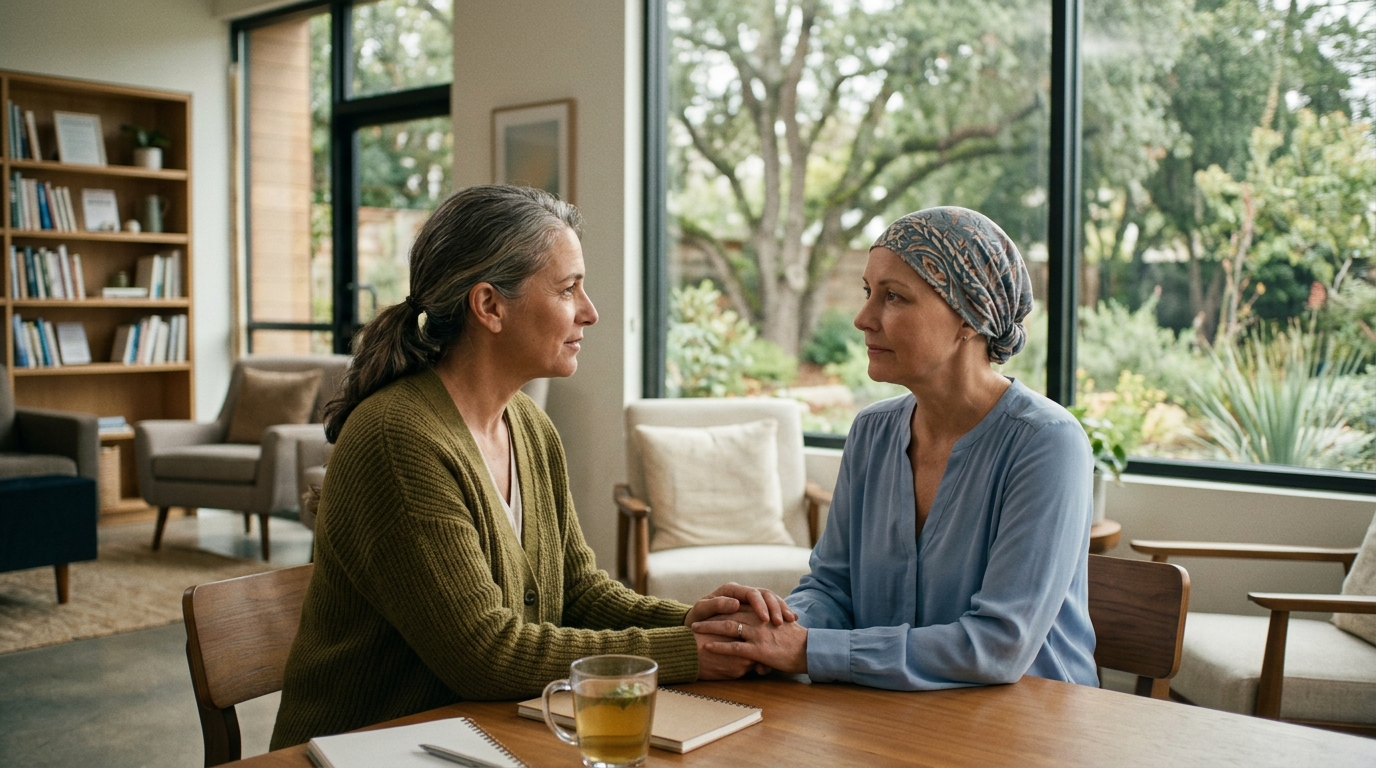
Integrative cancer care represents a fundamental shift in how oncology is practiced, moving beyond isolated symptom management to treat the whole person. According to recent oncology trends, patients receiving comprehensive supportive care often report significantly higher quality of life metrics during active treatment phases. This approach combines conventional medical therapies with evidence-based complementary practices to address the physical, emotional, and spiritual dimensions of a cancer diagnosis. Understanding these benefits is critical for patients and families navigating the complex healthcare landscape.
Defining Integrative Cancer Care
To understand the value proposition, one must first define the methodology. Integrative cancer care is a holistic medical approach that combines conventional oncology treatments with evidence-based complementary therapies. Unlike alternative medicine, which may replace standard care, integrative medicine works alongside chemotherapy, radiation, and surgery to enhance outcomes and reduce side effects.
At Thrive Integrative Cancer Care, this philosophy is embedded in every patient interaction. The goal is not to treat the disease in isolation but to support the individual fighting it. This involves a multidisciplinary team that includes oncologists, nutritionists, mental health professionals, and wellness specialists. By addressing the root causes of distress and providing robust support systems, patients are better equipped to handle the rigors of treatment.
For a deeper understanding of the foundational principles, you can explore our About Us page, where we detail our commitment to patient-centered excellence.
Physical Benefits and Symptom Management
The most immediate benefits of integrative care are often physical. Conventional cancer treatments, while life-saving, can be harsh on the body. Integrative strategies focus on mitigating these toxicities to maintain patient strength and resilience.
Nausea and Fatigue Reduction
Chemotherapy-induced nausea and vomiting (CINV) and cancer-related fatigue are among the most common complaints. Research indicates that interventions such as acupuncture and mindfulness-based stress reduction can significantly lower the severity of these symptoms. By reducing the need for high-dose antiemetics, patients experience fewer drug interactions and side effects.
Nutritional Support
Proper nutrition is vital for immune function and tissue repair. Cancer nutrition is the strategic use of dietary interventions to support treatment efficacy and manage weight loss. Integrative programs provide personalized meal planning that accounts for specific treatment protocols, taste changes, and metabolic needs. This proactive approach helps prevent malnutrition, which is a critical factor in treatment tolerance.
Learn more about our specialized dietary frameworks by visiting our Programs page.
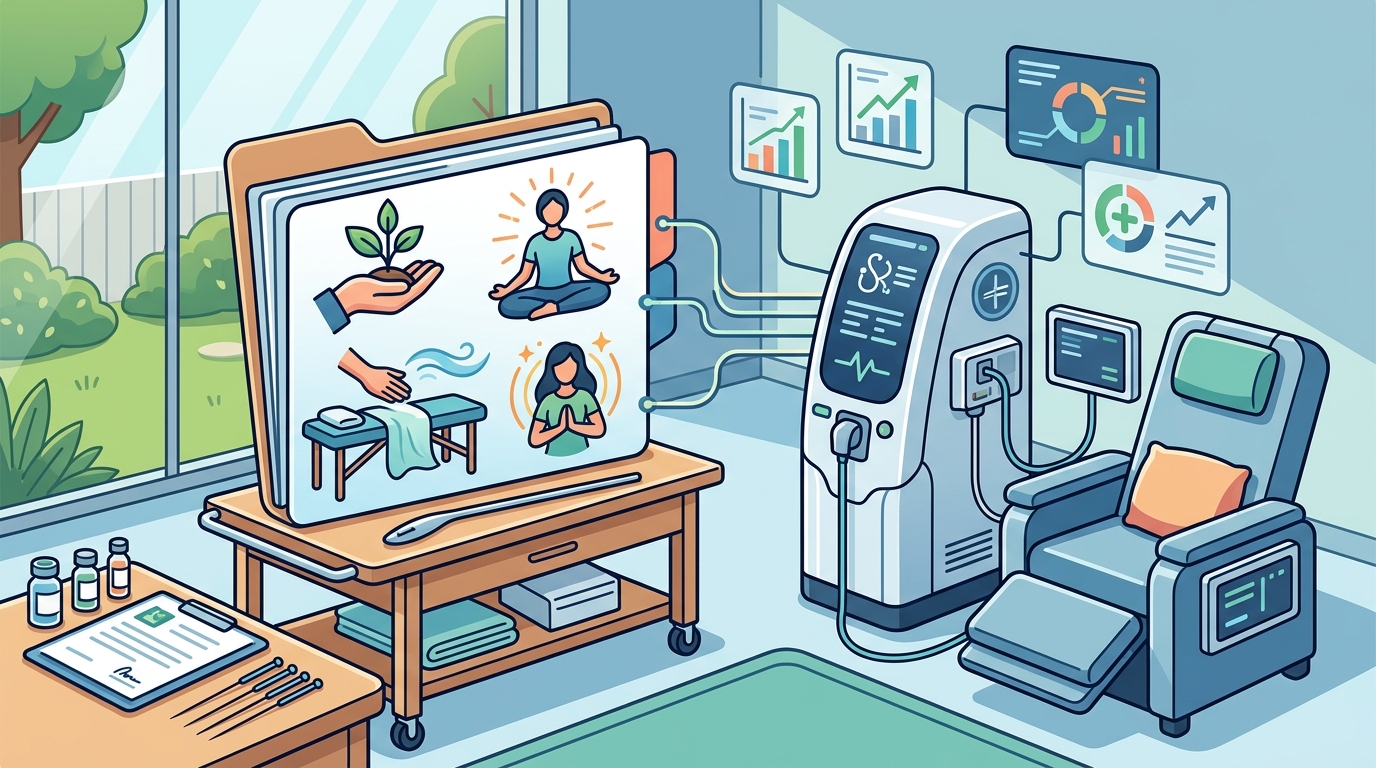
Emotional and Mental Health Support
A cancer diagnosis is a traumatic life event. The psychological burden often outweighs the physical challenges for many patients. Integrative care prioritizes mental health as a core component of recovery, not an afterthought.
Anxiety and Depression Management
Studies show that up to 40% of cancer patients experience clinically significant anxiety or depression. Integrative care utilizes cognitive behavioral therapy, meditation, and yoga to manage these conditions. These non-pharmacological interventions help regulate the nervous system, reducing cortisol levels and promoting a sense of calm.
Spiritual Well-being
Spiritual distress is common among those facing serious illness. Integrative care provides space for spiritual exploration and meaning-making. This support helps patients find purpose and peace, which is directly linked to improved coping mechanisms and overall life satisfaction.
For insights into our holistic support methods, read our latest Blog posts on mental wellness.
Long-Term Survivorship and Prevention
The benefits of integrative care extend far beyond the completion of active treatment. Survivorship is a distinct phase of the cancer journey that requires its own specialized care plan.
Recurrence Risk Reduction
Lifestyle modifications are powerful tools for preventing cancer recurrence. Integrative programs focus on sustainable habits, including regular physical activity, stress management, and balanced nutrition. These factors have been shown to reduce inflammation and support immune surveillance, which are critical in preventing disease progression.
Active Cancer Care Support
For those currently undergoing treatment, the Active Cancer Care program provides real-time support. This ensures that patients do not have to wait until treatment ends to begin their wellness journey. Early integration leads to better long-term outcomes.
Comparing Care Models
Understanding the difference between standard oncology and integrative oncology helps patients make informed decisions. The table below outlines the key distinctions.
| Feature | Standard Oncology | Integrative Oncology |
|---|---|---|
| Primary Focus | Tumor elimination and disease management | Whole-person health and symptom management |
| Therapies Used | Chemotherapy, radiation, surgery, immunotherapy | Conventional treatments plus nutrition, acupuncture, mindfulness |
| Side Effect Management | Pharmacological interventions only | Multimodal approach including lifestyle and complementary therapies |
| Patient Role | Passive recipient of care | Active participant in wellness decisions |
| Long-term Goal | Cure or disease control | Quality of life, survivorship, and recurrence prevention |
This comparison highlights why many patients choose to add integrative layers to their care. For more details on our specific offerings, please review our Programs page.
Key Takeaways
- Holistic Approach: Integrative care treats the whole person, addressing physical, emotional, and spiritual needs simultaneously.
- Symptom Relief: Evidence-based complementary therapies like acupuncture and yoga effectively reduce treatment side effects such as nausea and fatigue.
- Nutritional Vitality: Personalized nutrition plans help maintain strength and immune function during aggressive treatments.
- Mental Health: Psychological support is integrated into daily care, reducing anxiety and depression rates among patients.
- Survivorship Focus: Long-term wellness strategies are implemented early to support healthy living after treatment ends.
- Active Support: Programs like Active Cancer Care provide real-time assistance, ensuring no gap in support during critical phases.
- Prevention: Lifestyle modifications reduce inflammation and recurrence risk, empowering patients in their long-term health.
Frequently Asked Questions
What is the difference between alternative and integrative cancer care?
Alternative medicine is used instead of conventional medical treatment, whereas integrative medicine is used alongside conventional treatment. Integrative care is evidence-based and coordinated with your oncologist to ensure safety and efficacy.
Does integrative care replace chemotherapy or radiation?
No. Integrative care complements these treatments. It aims to make them more tolerable and effective by managing side effects and supporting the body's resilience. It never replaces the primary oncological interventions.
How do I know if I am a candidate for integrative care?
Almost any cancer patient can benefit from integrative care. Whether you are newly diagnosed, actively undergoing treatment, or in survivorship, there are specific programs designed to meet you where you are. You can learn more by visiting our Get Started page.
Are complementary therapies covered by insurance?
Coverage varies by provider and plan. Many insurance plans cover acupuncture and certain nutritional counseling services. Our team can assist you in navigating these benefits and understanding out-of-pocket costs for specific integrative services.
Can integrative care help with cancer-related fatigue?
Yes. Cancer-related fatigue is a common and debilitating side effect. Integrative strategies such as gentle yoga, tai chi, and energy conservation techniques have been shown to significantly improve energy levels and daily functioning.
What is the role of nutrition in cancer treatment?
Nutrition plays a critical role in treatment tolerance and recovery. Proper nourishment helps maintain muscle mass, supports immune function, and reduces the risk of treatment interruptions due to malnutrition.
How do I contact Thrive Integrative Cancer Care?
You can reach our team directly through our Contact page. We offer consultations to discuss your specific needs and how our programs can support your journey.
Get Started with Thrive
Integrative cancer care offers a path to greater resilience, comfort, and hope. By combining the best of conventional medicine with holistic support, you can navigate your diagnosis with strength and dignity. Do not face this journey alone. Contact Thrive Integrative Cancer Care today to explore how our programs can support you and your family. Visit our Get Started page to begin your consultation.