

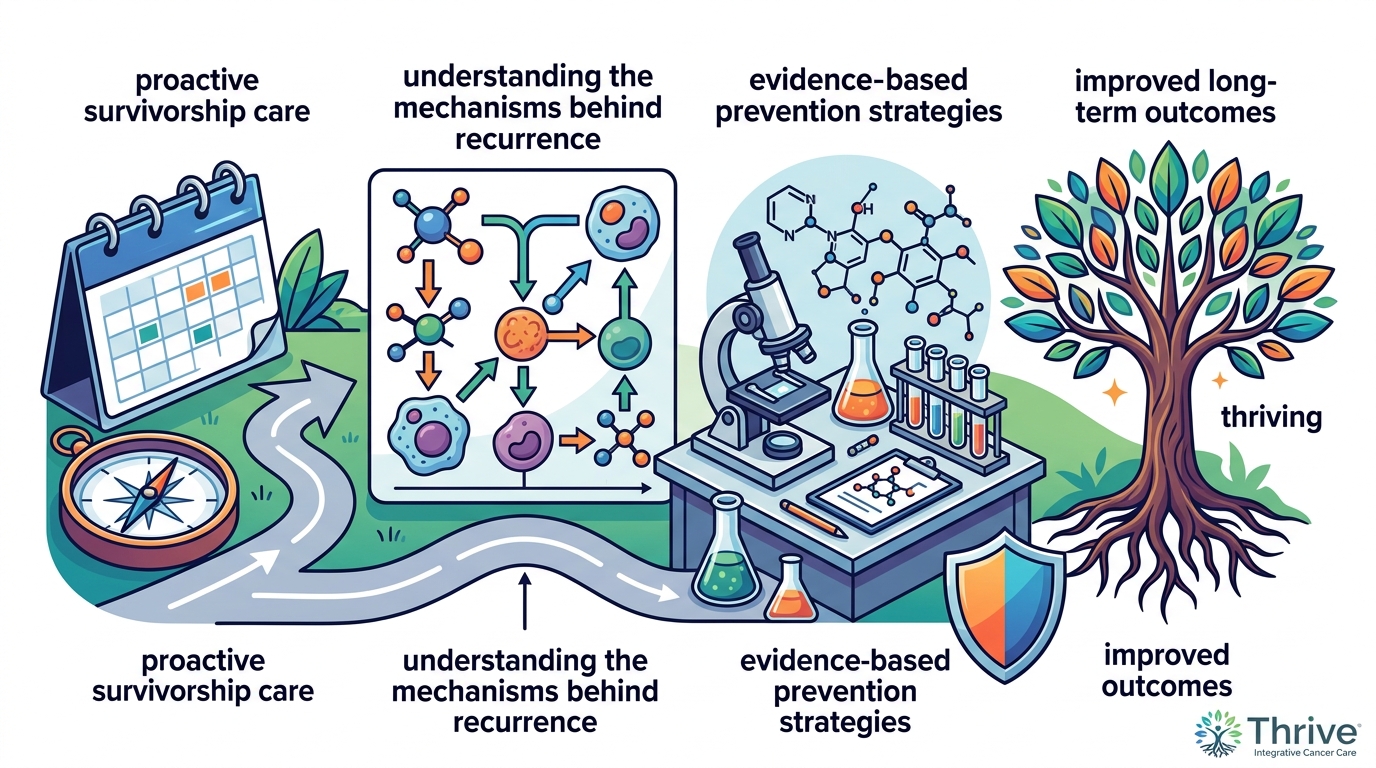
Cancer recurrence remains one of the most significant challenges in modern oncology, affecting millions of survivors worldwide. According to the American Cancer Society, approximately 30 to 40 percent of people diagnosed with cancer will experience a recurrence at some point in their lives. This statistic underscores the critical importance of proactive survivorship care. Understanding the mechanisms behind recurrence and implementing evidence-based prevention strategies can significantly improve long-term outcomes. This guide explores the multifaceted approach to reducing risk, integrating clinical protocols with lifestyle modifications.
Understanding Cancer Recurrence
Before implementing prevention strategies, it is essential to define what recurrence actually entails. Recurrence is the return of cancer after a period during which the cancer could not be detected. This can happen in the original location, known as a local recurrence, or in a different part of the body, known as a distant recurrence or metastasis. The timing of recurrence varies widely depending on the type of cancer, the stage at diagnosis, and the treatments received.
Survivors often face anxiety regarding the unknown. However, knowledge is a powerful tool. By understanding the specific risk factors associated with their diagnosis, patients can work with their care team to create a personalized surveillance plan. This plan typically involves regular imaging, blood tests, and physical examinations. For those seeking specialized support, Thrive Integrative Cancer Care offers structured programs designed to support patients through every phase of their journey, from active treatment to long-term survivorship.
The Role of Clinical Surveillance
Regular follow-up care is the cornerstone of early detection and recurrence prevention. Clinical surveillance allows oncologists to monitor for any signs of returning disease when it is most treatable. This process is not merely reactive; it is a proactive strategy for maintaining health.
Regular Imaging and Blood Work
Depending on the cancer type, survivors may undergo CT scans, MRIs, PET scans, or blood tests such as tumor marker panels. These tools help detect microscopic changes before they become clinically apparent. Adhering to the recommended schedule is crucial. Missing appointments can delay the detection of recurrence, potentially limiting treatment options.
Communication with Your Care Team
Open communication with your oncologist is vital. Report any new symptoms immediately, such as unexplained weight loss, persistent pain, or changes in bowel habits. Early intervention can significantly alter the prognosis. For more information on active care protocols, visit Active Cancer Care to understand how continuous monitoring supports better outcomes.
Lifestyle Modifications for Risk Reduction
While clinical care addresses the biological aspects of cancer, lifestyle factors play a substantial role in overall health and recurrence risk. Research consistently shows that modifiable behaviors can influence long-term survival rates.
Physical Activity and Exercise
Regular physical activity is one of the most potent tools for cancer survivors. Exercise helps regulate hormones, reduce inflammation, and improve immune function. The American College of Sports Medicine recommends at least 150 minutes of moderate-intensity aerobic activity per week for cancer survivors. This can include walking, swimming, or cycling. Starting slowly and gradually increasing intensity is key to avoiding injury and building endurance.
Weight Management
Maintaining a healthy weight is critical, particularly for cancers linked to obesity, such as breast, colon, and endometrial cancer. Excess body fat can produce excess estrogen and other hormones that may promote cancer growth. Additionally, adipose tissue contributes to chronic inflammation, which is a known risk factor for cancer progression. Thrive Integrative Cancer Care emphasizes a holistic approach that includes weight management as part of the broader survivorship plan.
Avoiding Tobacco and Limiting Alcohol
Tobacco use is a leading cause of cancer recurrence and second primary cancers. Quitting smoking at any stage can improve health outcomes. Similarly, limiting alcohol consumption is advised. Alcohol is a known carcinogen, and even moderate drinking can increase the risk of certain cancers. For resources on quitting, consider consulting Cancer.org for evidence-based cessation programs.
Nutrition Strategies for Survivorship
Diet plays a pivotal role in recovery and recurrence prevention. While no single food can cure cancer, a balanced diet supports the body's natural defenses and aids in recovery from treatment side effects.
Plant-Based Emphasis
A diet rich in fruits, vegetables, whole grains, and legumes provides essential nutrients and antioxidants. These foods help combat oxidative stress and inflammation. The World Health Organization's International Agency for Research on Cancer highlights the protective effects of phytochemicals found in plant-based foods. Aim for a variety of colors on your plate to ensure a broad spectrum of nutrients.
Limiting Processed Foods
Processed meats and highly refined sugars should be minimized. These foods are often linked to increased inflammation and insulin resistance, which can create an environment conducive to cancer growth. Instead, focus on whole, unprocessed foods that provide sustained energy and nutritional density.
Hydration and Gut Health
Proper hydration supports detoxification processes and overall cellular function. Additionally, maintaining gut health through probiotic-rich foods or supplements can support immune function. A healthy gut microbiome is increasingly recognized as a key factor in immune surveillance against cancer cells. For personalized nutritional guidance, explore the resources available at Thrive Integrative Cancer Care Blog.
Mental Health and Stress Management
The psychological impact of a cancer diagnosis is profound. Stress, anxiety, and depression are common among survivors. However, mental health is not separate from physical health; it is integral to it. Chronic stress can weaken the immune system and promote inflammation, potentially influencing cancer outcomes.
Stress Reduction Techniques
Practices such as mindfulness meditation, yoga, and deep breathing exercises can help manage stress. These techniques have been shown to improve quality of life and reduce symptoms of anxiety and depression in cancer survivors. Studies published in PubMed Central indicate that mindfulness-based stress reduction can significantly improve emotional well-being.
Support Groups and Counseling
Connecting with other survivors can provide a sense of community and understanding. Support groups offer a safe space to share experiences and coping strategies. Professional counseling can also help individuals process their emotions and develop resilience. If you are struggling, reach out to Thrive Integrative Cancer Care for support and guidance.
Comparative Approaches to Survivorship Care
Different survivors may benefit from different approaches to care. Understanding these options can help you choose the path that best fits your needs.
| Approach | Focus | Best For | Key Benefit |
|---|---|---|---|
| Standard Oncology Follow-Up | Medical monitoring and treatment of recurrence | Patients requiring intensive clinical surveillance | Early detection of medical issues |
| Integrative Care | Combination of medical and lifestyle interventions | Patients seeking holistic support | Improved quality of life and symptom management |
| Specialized Survivorship Programs | Structured education and community support | Patients needing guidance on next steps | Empowerment and peer connection |
| Telehealth Monitoring | Remote check-ins and data tracking | Patients with mobility or access challenges | Convenience and continuous care |
Integrative care, such as that offered by Thrive Integrative Cancer Care, bridges the gap between standard medical care and lifestyle medicine. This approach recognizes that healing involves the whole person, not just the disease.
Key Takeaways
- Recurrence Rates: Approximately 30 to 40 percent of cancer patients may experience recurrence, highlighting the need for vigilance.
- Surveillance is Critical: Regular imaging and blood work are essential for early detection and improved treatment outcomes.
- Exercise Benefits: 150 minutes of moderate aerobic activity per week can significantly reduce recurrence risk and improve survival.
- Dietary Impact: A plant-based diet rich in antioxidants helps combat inflammation and supports immune function.
- Mental Health Matters: Stress management through mindfulness and support groups improves overall well-being and resilience.
- Weight Management: Maintaining a healthy weight reduces the risk of hormone-related cancer recurrences.
- Holistic Support: Integrative care models provide comprehensive support for physical, emotional, and nutritional needs.
Frequently Asked Questions
How long after treatment is the risk of recurrence highest?
The risk of recurrence varies by cancer type. For many cancers, the risk is highest in the first two to five years after treatment. However, some cancers can recur later. Regular follow-up care is essential throughout this period.
Can diet alone prevent cancer recurrence?
While diet plays a significant role, it is not a standalone solution. A combination of healthy eating, regular exercise, medical surveillance, and stress management is the most effective approach to reducing risk.
What are the signs of cancer recurrence?
Symptoms can include unexplained weight loss, persistent fatigue, new lumps or bumps, changes in bowel or bladder habits, and persistent pain. Any new or worsening symptoms should be reported to your oncologist immediately.
Is integrative care covered by insurance?
Coverage varies by provider and plan. Some insurance plans cover parts of integrative care, such as nutrition counseling or acupuncture. It is advisable to check with your insurance provider for specific details.
How can I find a support group?
Support groups can be found through hospitals, cancer centers, and organizations like the American Cancer Society. Thrive Integrative Cancer Care also offers resources to help you connect with others on a similar journey.
What is the role of sleep in cancer survivorship?
Quality sleep is crucial for immune function and hormonal balance. Poor sleep can increase inflammation and stress hormones, potentially impacting health outcomes. Aim for 7 to 9 hours of quality sleep per night.
Can I exercise if I am still undergoing treatment?
Yes, but it must be tailored to your current health status. Consult your oncologist before starting any exercise program. Light activities like walking are often safe and beneficial during treatment.
Begin Your Survivorship Journey
Reducing the risk of cancer recurrence is a proactive and empowering process. By combining rigorous clinical surveillance with healthy lifestyle choices and emotional support, you can take control of your health. Thrive Integrative Cancer Care is dedicated to supporting you through every step of this journey. Contact us today to schedule a consultation and learn how our programs can help you achieve your survivorship goals.