

According to the World Health Organization, approximately 30 to 50 percent of all cancers can be prevented through established lifestyle modifications and environmental adjustments. This critical statistic highlights how daily behavioral choices directly influence cellular mutation rates and long-term disease progression. Integrative oncology frameworks emphasize that sustainable prevention requires a systematic approach to nutrition, movement, and stress regulation. Patients who adopt structured wellness protocols consistently demonstrate improved immune surveillance and reduced inflammatory markers. Understanding these foundational shifts enables individuals to actively participate in their own disease prevention strategies.
Understanding Modifiable Risk Factors
Preventive oncology is a specialized medical discipline focused on identifying and eliminating modifiable risk factors before malignant transformation occurs. Tobacco exposure remains the leading preventable cause of malignancy worldwide, accounting for nearly one-fifth of all global cancer deaths. Dietary patterns heavily influence gut microbiome diversity and systemic inflammation levels. Regular clinical screenings combined with proactive lifestyle adjustments create a powerful defensive barrier against cellular degradation. American Cancer Society guidelines consistently recommend prioritizing whole-food consumption over highly processed alternatives. Transitioning away from sedentary habits requires gradual implementation and consistent accountability tracking.
Nutritional Strategies for Cellular Defense
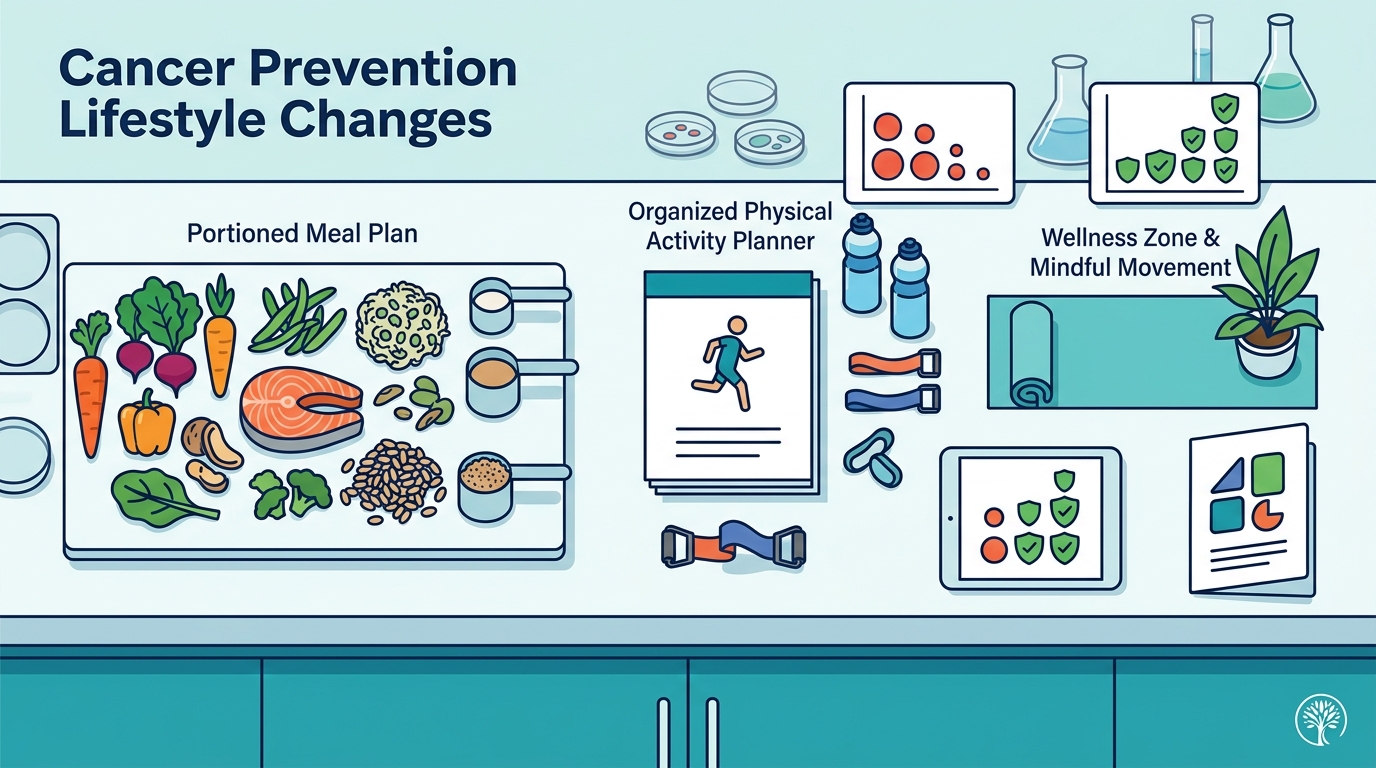
Cellular defense is a biological mechanism where nutrient-dense compounds neutralize free radicals and protect DNA integrity during metabolic processes. Cruciferous vegetables contain sulforaphane, which actively supports hepatic detoxification pathways and reduces oxidative stress. Healthy fats like omega-3 fatty acids regulate inflammatory cytokine production and support vascular health. National Cancer Institute research confirms that balanced macronutrient distribution significantly lowers recurrence risks. Eliminating refined sugars prevents insulin spikes that can otherwise stimulate abnormal cell proliferation. Comprehensive nutritional counseling helps patients design sustainable meal plans tailored to their metabolic profiles.
Physical Activity and Metabolic Regulation
Regular aerobic exercise improves cardiovascular efficiency and enhances lymphatic circulation throughout the body. Consistent movement stimulates endorphin release and reduces cortisol accumulation in target tissues. Strength training preserves lean muscle mass, which directly correlates with metabolic rate and glucose utilization. Centers for Disease Control recommendations advise at least 150 minutes of moderate activity per week for optimal protection. Individuals who maintain active routines demonstrate substantially lower rates of hormone-sensitive malignancies. Personalized fitness assessments ensure safe progression without overexertion during recovery phases.
Stress Management and Immune Resilience
Chronic psychological pressure triggers sustained cortisol elevation, which directly suppresses natural killer cell activity. Mindfulness meditation and controlled breathing techniques successfully lower sympathetic nervous system activation. Regular journaling and structured reflection help patients process emotional burdens without internalizing physiological stress. Global health reports indicate that unmanaged stress correlates with accelerated disease progression in vulnerable populations. Building emotional resilience requires consistent practice and professional guidance when necessary. Integrative support programs integrate cognitive behavioral strategies with physiological monitoring.
Environmental Toxin Reduction
Endocrine-disrupting chemicals accumulate in household plastics and synthetic personal care products over time. Switching to glass containers and fragrance-free formulations significantly reduces daily chemical exposure. Filtered water systems remove heavy metals and industrial runoff that compromise renal filtration capacity. Oncology prevention guidelines emphasize minimizing contact with volatile organic compounds in modern living spaces. Air purification units equipped with HEPA filters capture particulate matter that irritates respiratory tissues. Clinical environmental audits identify hidden exposure sources within residential and workplace settings.
Sleep Architecture and Hormonal Balance
Circadian regulation is a physiological process that synchronizes hormonal secretion with environmental light cycles to optimize cellular repair. Restorative sleep cycles regulate melatonin production, which functions as a potent antioxidant and tumor suppressor. Consistent bedtime routines establish circadian rhythm stability and optimize hormonal secretion patterns. Blue light exposure from digital devices disrupts pineal gland function and delays deep sleep onset. Research published in major journals demonstrates that chronic sleep deprivation increases breast and prostate cancer risks. Prioritizing eight hours of uninterrupted rest allows cellular repair mechanisms to operate at peak efficiency. Specialized sleep diagnostics help patients identify and correct underlying circadian disruptions.
Intervention Summary
| Lifestyle Category | Primary Health Benefit | Implementation Strategy |
|---|---|---|
| Nutritional Optimization | Reduces systemic inflammation and supports detoxification pathways | Guided meal planning with whole-food focus |
| Metabolic Movement | Enhances lymphatic drainage and glucose regulation | Structured exercise protocols tailored to fitness levels |
| Psychological Regulation | Stabilizes cortisol levels and strengthens immune surveillance | Mindfulness integration with clinical support |
| Environmental Modification | Minimizes endocrine disruption and chemical accumulation | Home exposure audits and product substitutions |
Key Takeaways
- Approximately 30 to 50 percent of malignancies are preventable through consistent behavioral adjustments and environmental controls.
- Antioxidant-dense diets actively neutralize free radicals and support hepatic detoxification pathways.
- Regular aerobic and resistance training improves lymphatic circulation and metabolic efficiency.
- Chronic psychological pressure directly suppresses natural killer cell activity and accelerates disease progression.
- Endocrine-disrupting chemicals in household plastics require proactive substitution and filtration strategies.
- Restorative sleep cycles regulate melatonin production, which functions as a potent tumor suppressor.
Frequently Asked Questions
How quickly do lifestyle changes impact cancer risk?
Cellular adaptation occurs gradually, with measurable improvements in inflammatory markers appearing within three to six months of consistent implementation. Long-term risk reduction compounds over years of sustained behavioral adherence.
Can dietary changes reverse pre-cancerous cellular mutations?
While established malignancies require medical intervention, nutritional optimization can halt progression in early-stage dysplastic cells by restoring normal apoptosis pathways.
What is the recommended weekly exercise duration for prevention?
Health authorities consistently recommend 150 minutes of moderate aerobic activity combined with two strength training sessions per week for optimal protection.
How does chronic stress directly influence tumor development?
Sustained cortisol elevation suppresses natural killer cell activity and promotes angiogenesis, creating an environment that facilitates abnormal cell proliferation.
Are natural supplements necessary for effective prevention?
Whole-food nutrition typically provides sufficient micronutrients without requiring additional supplementation, though clinical testing may identify specific deficiencies.
What role does sleep play in hormonal regulation?
Restorative sleep cycles regulate melatonin production, which functions as a potent antioxidant and tumor suppressor that protects DNA integrity.
Begin Your Prevention Journey
Proactive lifestyle modifications require professional guidance to ensure safe implementation and measurable progress. Schedule a comprehensive wellness consultation to design a personalized prevention protocol. Our clinical team integrates evidence-based nutritional strategies, metabolic assessments, and stress management techniques into your daily routine. Take control of your long-term health outcomes today.