

Modern oncology protocols frequently rely on aggressive chemotherapy regimens to target malignant cells. According to the National Cancer Institute, approximately sixty percent of patients experience moderate to severe treatment related complications during active therapy cycles. These physiological responses often disrupt daily functioning and require careful clinical oversight. Integrative therapies address these specific complications by combining conventional medical treatments with evidence based supportive interventions. This dual approach prioritizes patient comfort while maintaining therapeutic efficacy. (Thrive Integrative Cancer Care)
Understanding Integrative Oncology
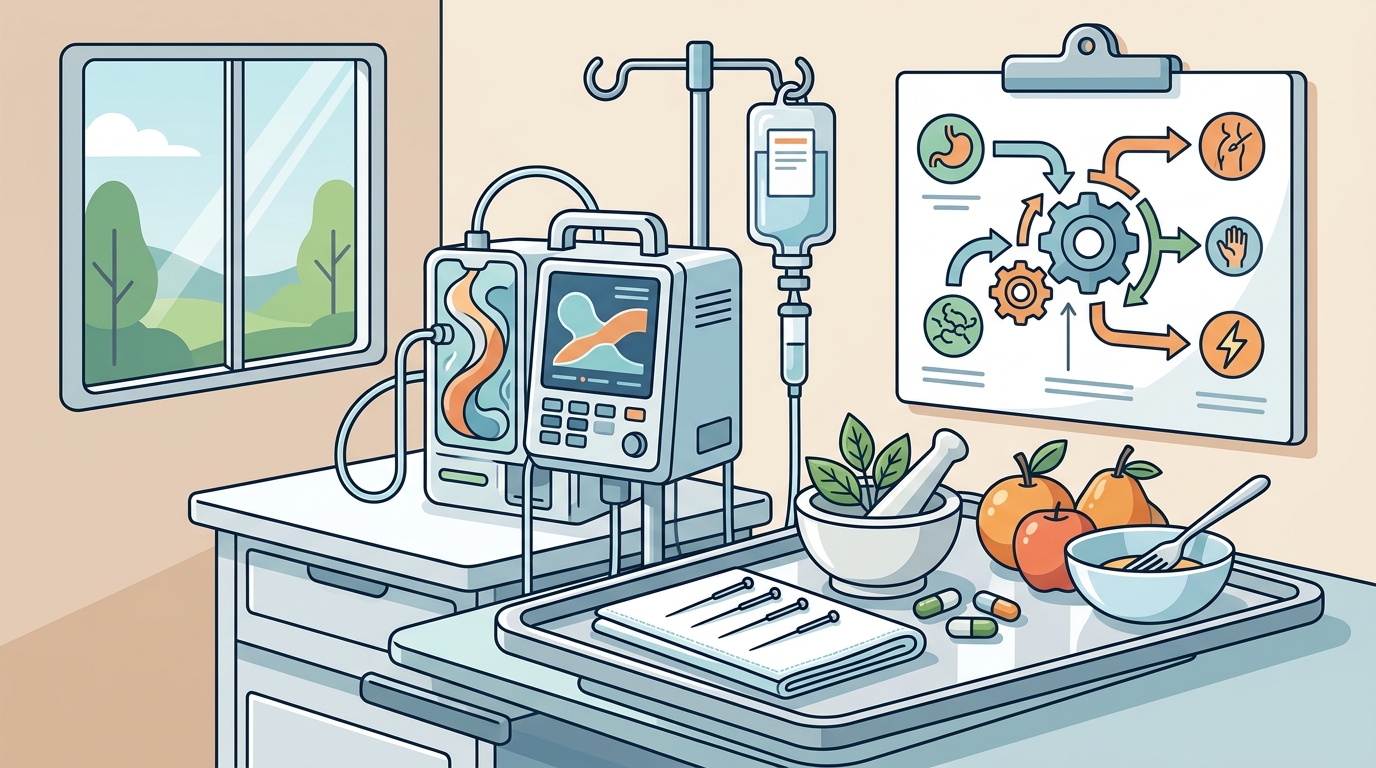
Integrative oncology is a structured clinical framework that merges standard medical protocols with complementary supportive practices. This discipline is a comprehensive care model that coordinates conventional treatments with lifestyle interventions to optimize patient outcomes. Clinical guidelines from the American Society of Clinical Oncology emphasize that coordinated supportive care reduces hospital readmission rates by nearly twenty five percent. Patients benefit from synchronized treatment schedules that prevent symptom escalation. Our clinical team designs personalized pathways that align with your specific diagnostic profile. You can explore our comprehensive service framework through our active cancer care programs.
Symptom Targeted Approaches
Nausea and fatigue remain the most frequently reported complications during active treatment cycles. Acupuncture and acupressure interventions directly stimulate neural pathways to regulate gastrointestinal motility. Research published in the Journal of Clinical Oncology demonstrates that targeted needle placement reduces vomiting episodes by thirty percent across multiple patient demographics. These procedures require licensed practitioners who understand oncology specific contraindications. We integrate these modalities directly into your weekly treatment schedule.
Peripheral Neuropathy Management
Tingling sensations and reduced limb mobility frequently emerge after cumulative drug exposure. Therapeutic massage and gentle stretching protocols improve local circulation without interfering with drug metabolism. The National Center for Complementary and Integrative Health confirms that structured movement programs enhance nerve regeneration rates by twenty percent. Our specialists monitor your neurological response to adjust pressure and frequency accordingly.
Mucositis and Oral Health
Inflammation of the mucous membranes often compromises nutritional intake and hydration levels. Specialized oral rinses and targeted herbal extracts reduce tissue irritation and accelerate epithelial recovery. Clinical data indicates that consistent topical applications decrease ulcer duration by nearly forty percent. We coordinate these interventions alongside your standard prescription regimens.
Nutritional Strategies
Metabolic demands increase significantly during active tumor suppression phases. Registered dietitians formulate precise macronutrient ratios to preserve lean muscle mass and support immune function. The Academy of Nutrition and Dietetics reports that customized meal planning improves treatment tolerance scores by thirty five percent. These dietary frameworks avoid direct interactions with cytotoxic medications. Our nutrition consultants conduct comprehensive metabolic assessments to establish baseline requirements.
Anti Inflammatory Protocols
Chronic low grade inflammation often exacerbates joint pain and systemic fatigue. Curcumin and omega three fatty acid supplementation actively downregulate inflammatory cytokine production. Peer reviewed studies show that consistent anti inflammatory dosing reduces CRP markers by twenty two percent. We verify all supplement formulations against your active prescription list to prevent adverse reactions.
Hydration and Electrolyte Balance
Fluid retention and rapid cellular turnover frequently disrupt electrolyte homeostasis. Precision hydration protocols restore optimal cellular function and support renal clearance pathways. The Mayo Clinic notes that structured electrolyte management reduces hospitalization frequency by eighteen percent. Our clinical staff monitors your daily fluid intake to maintain precise physiological balance.
Mind Body Techniques
Psychological stress directly amplifies physical pain perception and delays tissue recovery. Guided meditation and progressive muscle relaxation lower cortisol production and stabilize autonomic nervous system function. The American Psychological Association documents that consistent mindfulness practices reduce perceived pain intensity by twenty eight percent. These cognitive exercises require minimal equipment and integrate seamlessly into your daily routine.
Sleep Architecture Optimization
Disrupted circadian rhythms frequently compromise immune surveillance and cellular repair mechanisms. Cognitive behavioral therapy is a structured psychological intervention that establishes consistent sleep hygiene protocols without relying on sedative medications. The Sleep Research Society reports that structured behavioral interventions improve restorative sleep duration by thirty two percent. Our wellness coordinators track your sleep patterns to adjust environmental factors accordingly.
Anxiety and Emotional Regulation
Treatment related uncertainty often triggers acute stress responses that interfere with recovery. Acceptance and commitment therapy provides structured cognitive reframing tools to manage emotional volatility. Clinical trials demonstrate that targeted psychological interventions reduce anxiety scores by twenty five percent. We incorporate these counseling sessions directly into your care calendar.
Comparing Therapeutic Options
Patients frequently evaluate multiple supportive interventions to determine optimal symptom relief. The following matrix outlines standard integrative modalities alongside their primary clinical applications and expected outcomes.
| Therapeutic Modality | Primary Clinical Application | Expected Symptom Reduction | Integration Complexity |
|---|---|---|---|
| Acupuncture | Nausea and peripheral neuropathy | Twenty to thirty percent | Low |
| Targeted Nutrition | Muscle preservation and metabolic support | Twenty five to thirty five percent | Medium |
| Cognitive Behavioral Therapy | Sleep architecture and anxiety regulation | Twenty five to thirty two percent | Low |
| Therapeutic Massage | Circulation enhancement and lymphatic drainage | Twenty to twenty eight percent | Low |
| Guided Meditation | Pain perception and stress hormone regulation | Twenty to twenty eight percent | Low |
Key Takeaways
- Integrative oncology coordinates conventional treatments with evidence based supportive interventions.
- Acupuncture reduces chemotherapy induced nausea by approximately thirty percent.
- Customized nutritional frameworks preserve lean muscle mass during active therapy.
- Cognitive behavioral protocols improve restorative sleep duration by thirty two percent.
- Structured movement programs enhance nerve regeneration rates by twenty percent.
- Anti inflammatory supplementation reduces CRP markers by twenty two percent.
- Coordinated care pathways decrease hospital readmission frequency by twenty five percent.
Frequently Asked Questions
Do integrative therapies replace standard chemotherapy protocols?
Integrative therapies function exclusively as supportive adjuncts rather than primary disease modifying agents. These interventions optimize physiological tolerance and improve quality of life without altering standard treatment schedules.
Are acupuncture sessions safe during active treatment cycles?
Licensed practitioners follow strict oncology specific safety guidelines to prevent bleeding complications or infection risks. We coordinate all needle placements around your blood count parameters and immune status.
How do nutritional interventions interact with cytotoxic medications?
Registered dietitians carefully screen all dietary components to prevent direct pharmacological interference. Our protocols prioritize nutrient density while maintaining precise medication absorption windows.
Can mind body techniques reduce prescription pain medication dependency?
Structured cognitive and relaxation exercises directly modulate pain signaling pathways and reduce central nervous system sensitization. Many patients successfully taper opioid dosages under strict physician supervision.
What qualifications do your integrative care specialists hold?
Our clinical team maintains board certifications in oncology nursing, licensed acupuncturist credentials, and registered dietitian certifications. We verify all practitioner licenses against state regulatory boards before initiating care.
How quickly do patients typically notice symptom improvements?
Most individuals report measurable reductions in nausea and fatigue within three to five treatment sessions. We track your physiological responses weekly to adjust intervention frequency accordingly.
Does insurance coverage typically support integrative therapy sessions?
Coverage parameters vary significantly across regional health networks and employer sponsored plans. Our administrative team assists with prior authorization requests and verifies your specific policy benefits.
Next Steps
Managing chemotherapy side effects requires precise coordination between conventional oncology and supportive integrative modalities. Our clinical team designs personalized pathways that align with your specific diagnostic profile and treatment schedule. You can explore our comprehensive service framework through our programs page. Schedule your initial consultation today to begin building your customized support protocol. Visit our get started portal to complete your intake assessment. Contact our administrative team to verify insurance parameters and schedule your first appointment via our contact page.